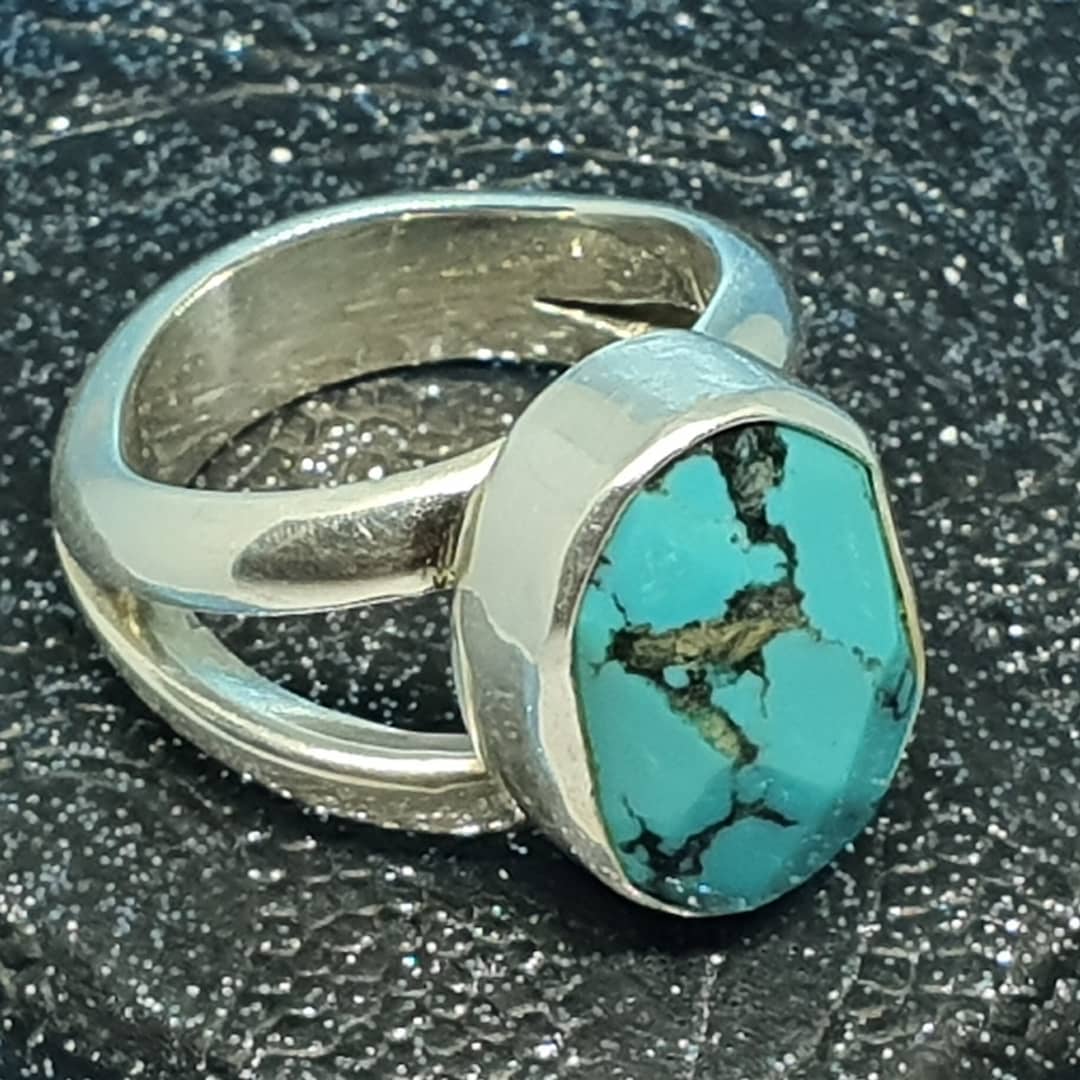
What Is A Bezel Setting?
A bezel setting is a strip of metal wrapped around a stone to hold it securely in place. It is one of the most reliable and widely used stone-setting methods in jewelry making.
Bezel settings are especially useful for cabochons because the metal protects the stone edge while creating a clean, finished outline.
Choosing Bezel Material
Fine silver bezel strip is commonly used because it is softer and easier to push over the stone. Sterling silver can also be used, especially when the design needs extra durability.
When choosing bezel material, consider the stone shape, stone height, metal thickness and how much of the stone should remain visible.
- metal thickness
- bezel wall height
- stone dimensions
- stone shape
- required durability
- setting style
Measuring The Stone
Accurate stone measurements are essential for a clean bezel fit. Most jewelers use digital calipers to measure the length, width and height of the stone.
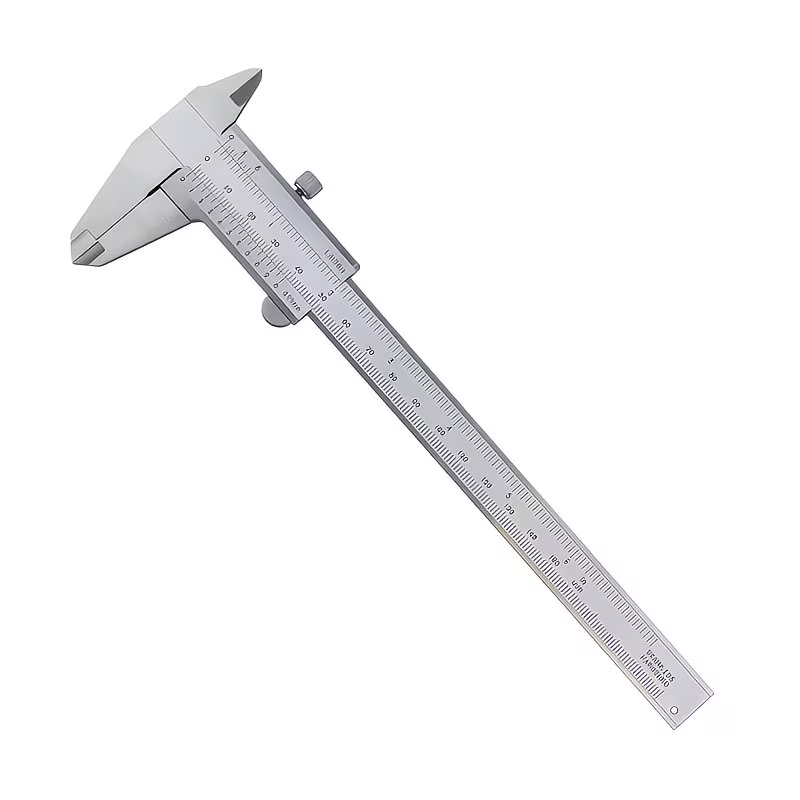
Even small measurement errors can create gaps, uneven pressure or a bezel that does not close neatly around the stone.
- measure the longest point of the stone
- measure the widest point of the stone
- measure the stone height from base to dome
- check the edge curvature
- confirm the base shape before cutting metal
Calculating Bezel Length
The bezel strip should match the stone circumference as accurately as possible before soldering. A tight, clean fit makes soldering, cleanup and final setting much easier.
For simple round or oval cabochons, the required bezel length can often be estimated from the stone perimeter. For irregular or freeform stones, it is usually better to wrap and mark the bezel strip directly around the stone.
Bezel Height
The bezel must be tall enough to hold the stone securely, but not so tall that it covers too much of the stone.
This gives enough metal to push or burnish over the edge of the stone while keeping the setting balanced.
Forming The Bezel
After cutting the bezel strip to length, shape it around the stone carefully before soldering the seam.
- form the strip around the stone
- check that the stone fits without forcing
- align the seam cleanly
- solder the joint
- round and refine the bezel shape after soldering
Preparing The Backplate
The bezel is usually soldered onto a backplate before trimming and finishing. The bezel should sit flat against the backplate before soldering.
If the bezel is uneven, gaps can appear between the bezel wall and the backing metal, which can weaken the solder joint.
- check that the bezel sits flat
- clean both soldering surfaces
- use appropriate flux
- avoid overheating the bezel seam
- pickle and clean after soldering
Setting The Stone
After soldering, trimming, filing and polishing, the stone can be placed into the bezel. The bezel wall is then pushed over the stone gradually and evenly.
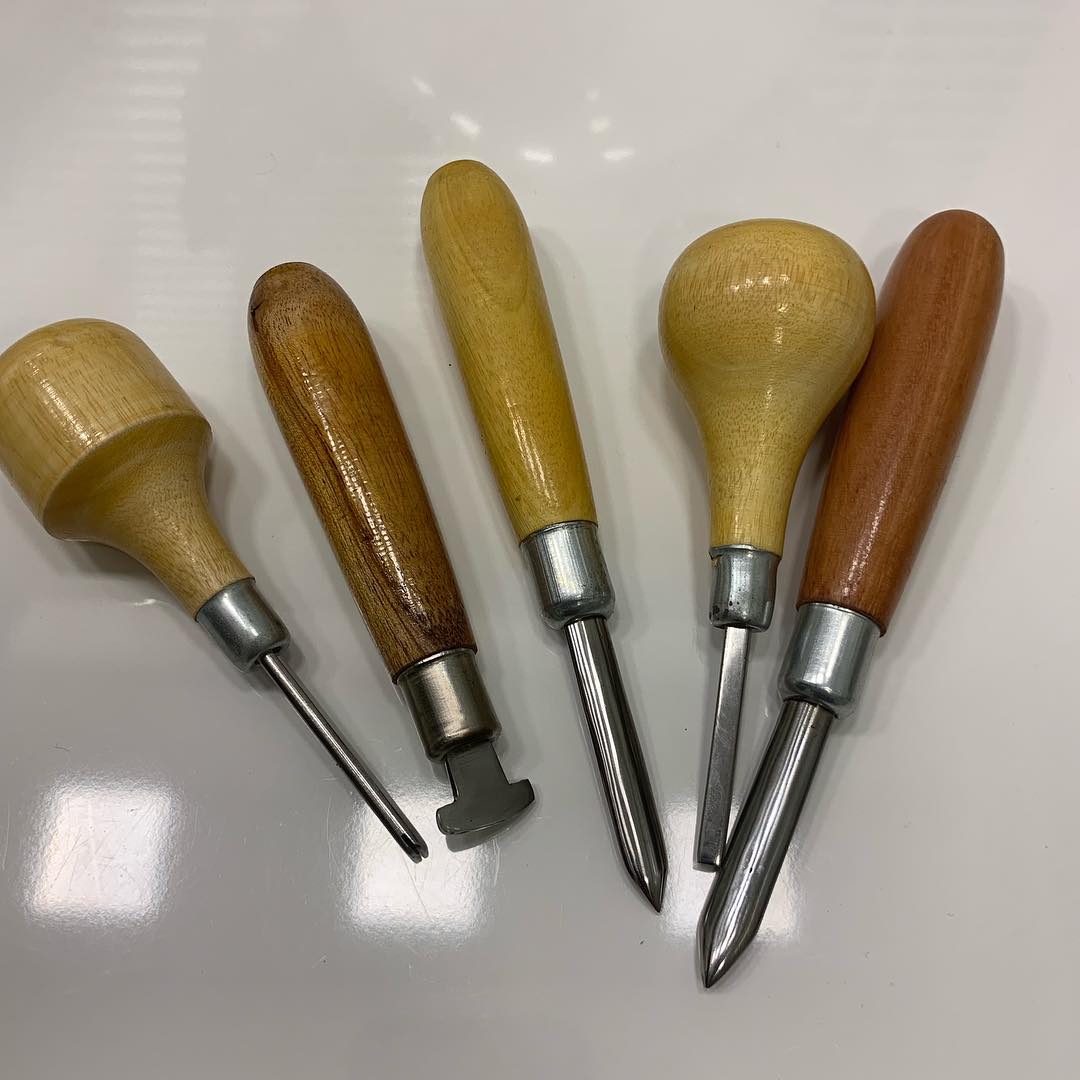
Work slowly around the setting instead of forcing one area down all at once. This helps keep pressure even and reduces the risk of marks, distortion or stone movement.
- bezel pusher
- burnisher
- rocking tool
- setting punch
- magnification for final inspection
Common Bezel Setting Mistakes
- cutting the bezel too short
- using bezel wire that is too tall
- measuring the dome instead of the stone base
- leaving an uneven solder seam
- over-polishing before the stone is set
- pushing the bezel down too aggressively
- not checking the stone fit before soldering to the backplate
Printable Templates & References
Printable templates and stone shape references can help visualize bezel layouts before cutting metal.
Templates are especially useful when planning multiple stones, decorative layouts or custom pendant designs.
Related Jewelry Guides
Use The Jewelry Calculator
Generate printable bezel templates, stone layouts and fabrication references directly in your browser.