Starting Jewelry Making With The Right Tools
Jewelry making tools do not need to be expensive or complicated in the beginning, but choosing the right workshop tools makes fabrication easier, safer and more accurate.
Many beginner jewelers start with only a few basic tools, then slowly expand the workshop as projects become more advanced.
Jewelry Pliers
Pliers are among the most essential jewelry making tools for beginners. Different pliers are used for bending wire, gripping metal, opening jump rings, shaping findings and handling small jewelry parts.
- Flat nose pliers for gripping and bending.
- Round nose pliers for loops and curves.
- Chain nose pliers for precision work.
- Diagonal cutters for cutting wire.
- Nylon jaw pliers for softer metal handling.
Good pliers should close evenly, feel comfortable in the hand and avoid excessive movement in the joints.
Diagonal Cutters And Wire Cutting
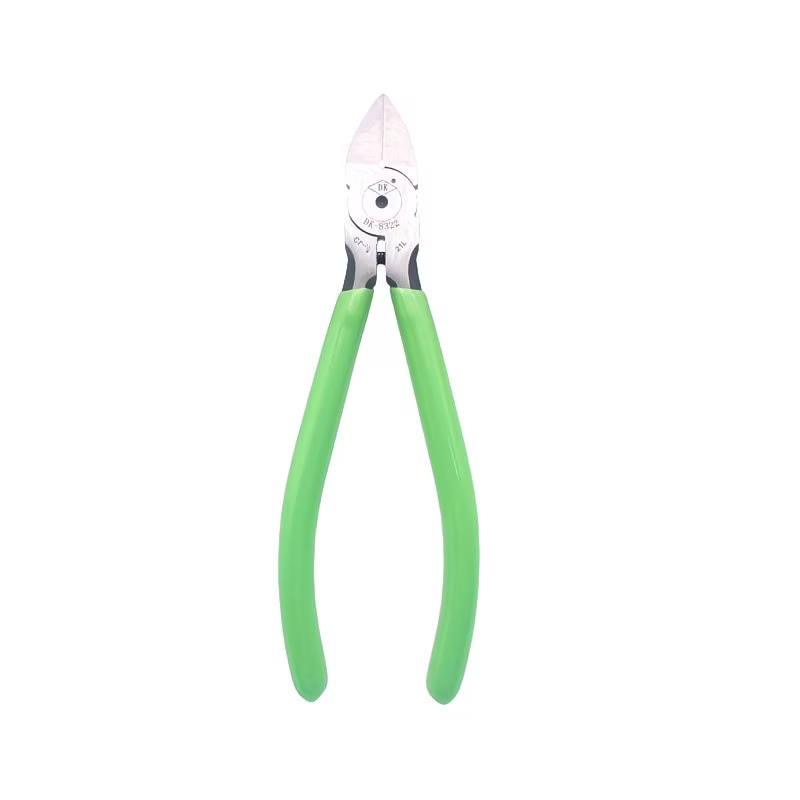
Diagonal cutters are commonly used for trimming wire, cutting findings and shortening metal components. Clean cuts reduce filing time and help produce cleaner fabrication work.
Softer metals like sterling silver and copper are easier to cut, while harder wire may require heavier-duty cutters.
Ring Mandrels
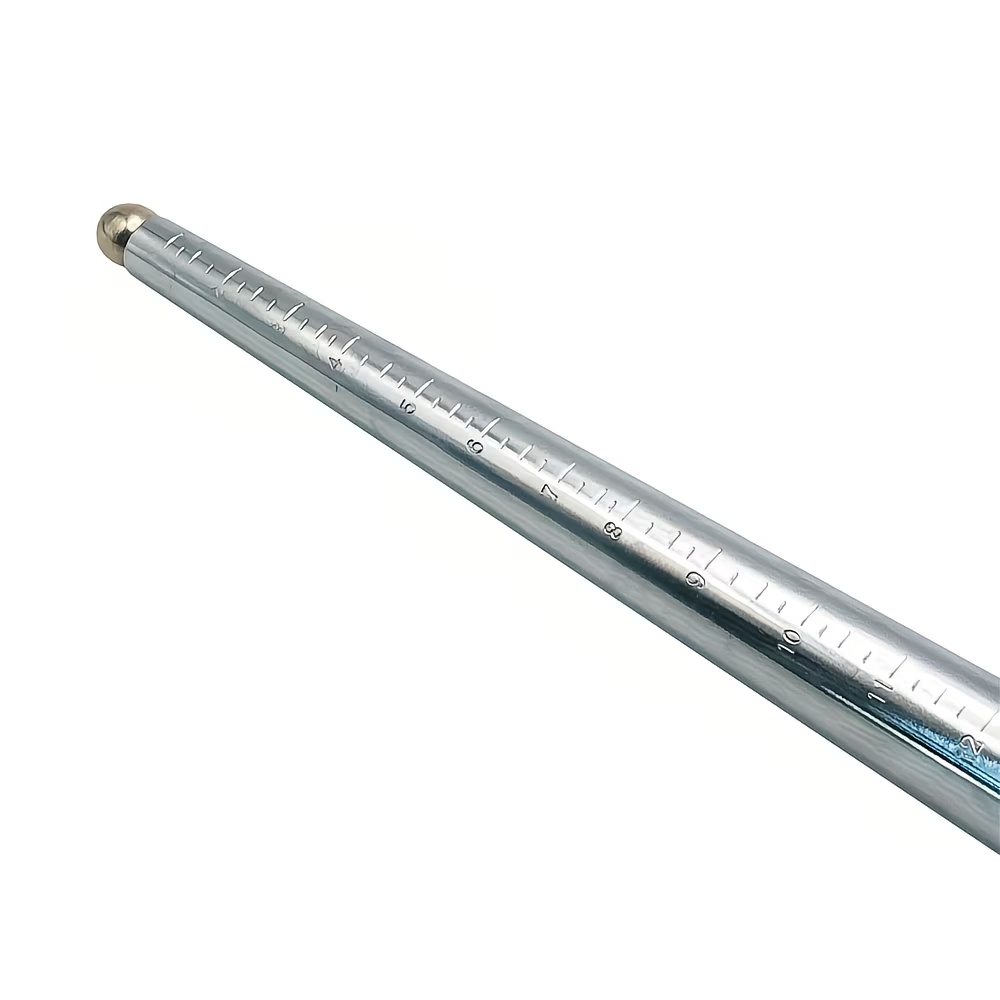
Ring mandrels are one of the most important jewelry fabrication tools. They are used for measuring ring size, shaping rings, rounding ring blanks and checking fit during fabrication.
Steel mandrels are preferred in most silversmithing workshops because they are durable, accurate and strong enough for shaping precious metals.
Digital Calipers
Digital calipers are extremely useful for measuring metal thickness, ring width, bezel height, stone dimensions and printable templates.
Accurate measurements are one of the most important parts of jewelry fabrication, especially when working with rings and stone settings.
- Measure ring width in millimeters.
- Check metal thickness accurately.
- Measure cabochons before bezel making.
- Verify printable template scale.
- Check inside and outside ring diameter.
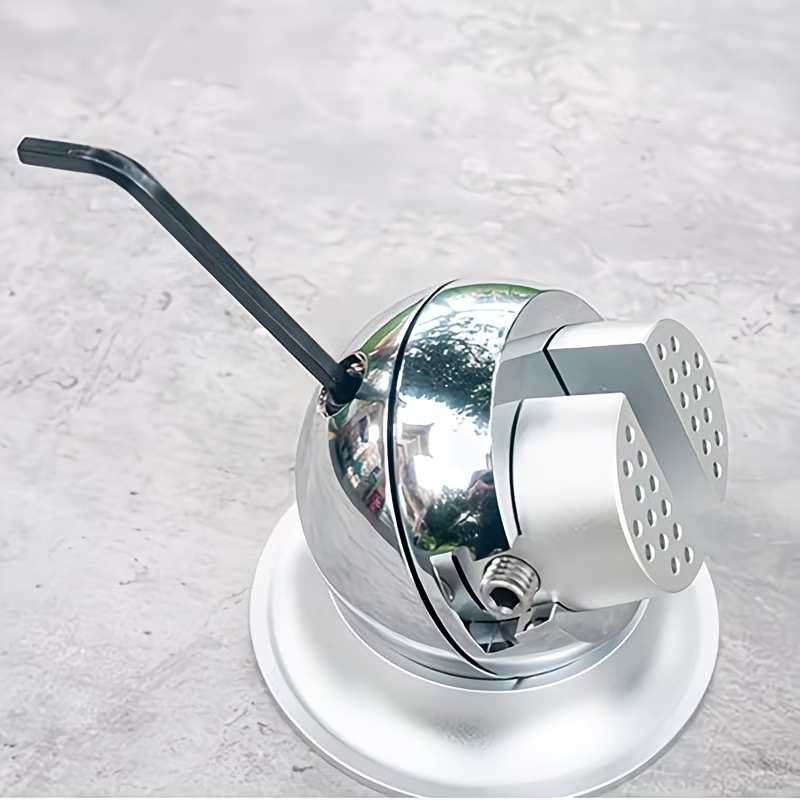
Jeweler’s Hand Vise
A jeweler’s hand vise is used for holding small parts securely while filing, sanding, sawing or shaping metal.
It is especially useful when working with silver wire, jump rings, ear wires and delicate fabrication parts that are difficult to hold by hand.
Miter Vises And Filing Jigs
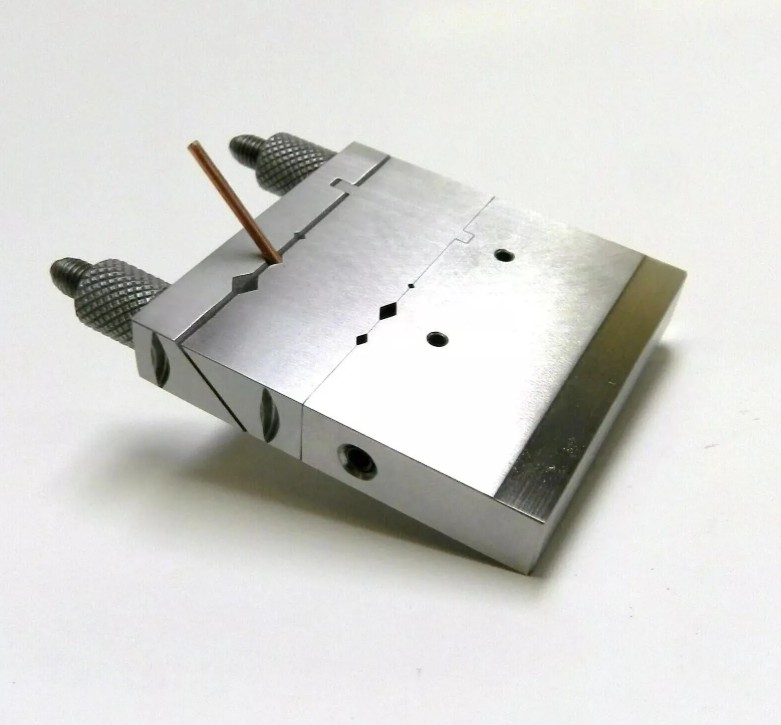
Filing jigs and miter vises help jewelers hold metal at controlled angles during filing and fabrication.
These tools are especially useful when creating flat ends, angled joints, symmetrical wire shapes and precise fabrication connections.
Many jewelers use these vises when preparing ring shanks, silver wire, bezels and structural fabrication parts.
Tweezers And Precision Handling
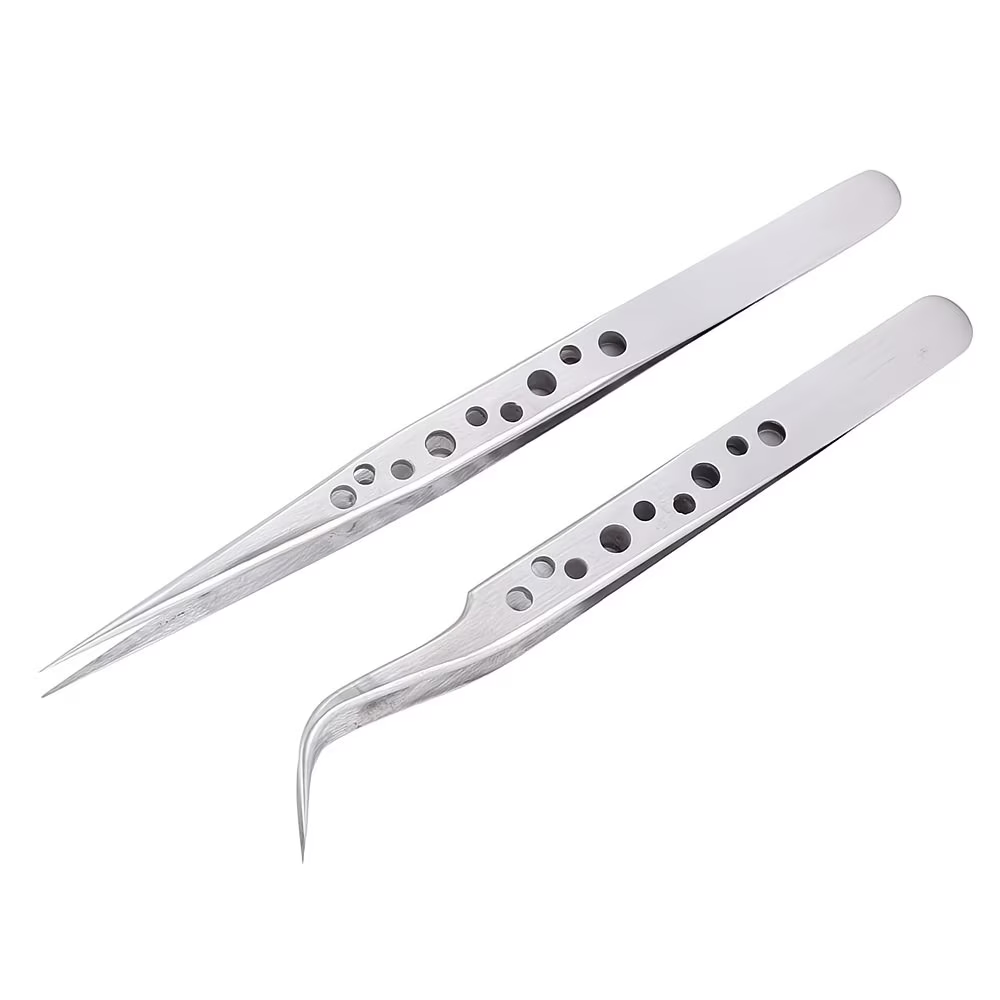
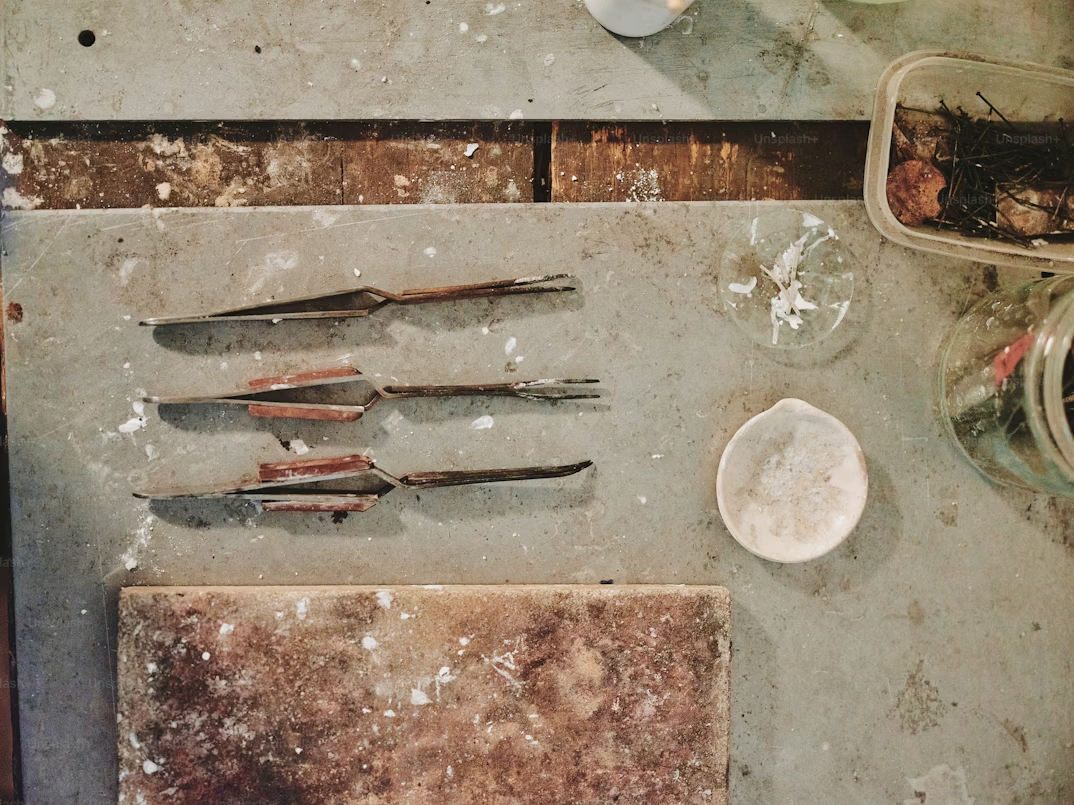
Tweezers are simple but essential workshop tools. They are commonly used for positioning small parts, handling hot metal, moving solder chips and adjusting delicate jewelry components.
Cross-lock tweezers are especially useful during soldering because they can hold metal parts securely while heated.
- Handle solder chips safely.
- Position small bezels and findings.
- Adjust stones during setting.
- Move hot metal during soldering.
- Hold delicate components precisely.
Disc Cutters
Disc cutters are used to punch perfectly round metal discs from sheet metal. These discs can later become pendants, earrings, washers, textured blanks or decorative fabrication components.
Disc cutters save significant time compared to sawing circles manually and help produce more consistent shapes.
Workbench Holding Tools
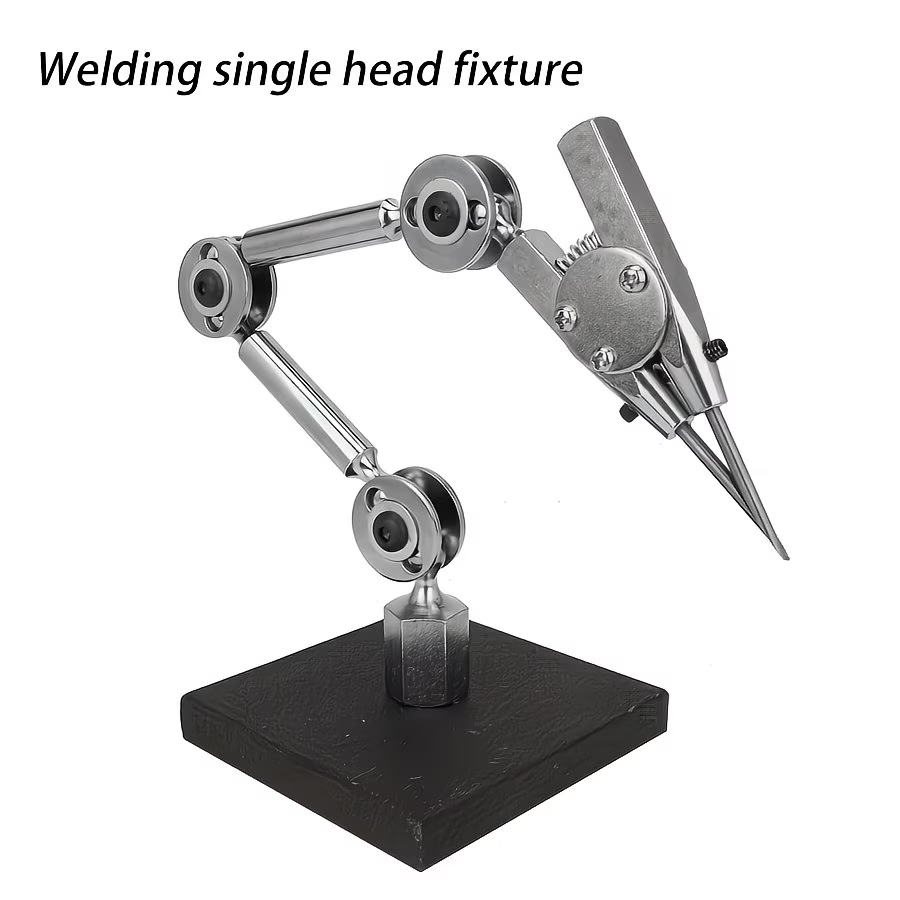
Jewelry fabrication often requires secure holding tools to stabilize metal while sawing, filing, sanding or soldering.
Beginners often underestimate how important proper workholding is for accurate fabrication.
| Tool | Main Use | Workshop Benefit |
|---|---|---|
| Ring clamp | Holding rings | Improves filing and sanding control. |
| Hand vise | Holding wire and small parts | Safer precision filing and shaping. |
| Miter vise | Angle filing | Better symmetry and cleaner joints. |
| Bench pin | Sawing and filing support | Stabilizes jewelry during fabrication. |
| Soldering clamp | Holding hot parts | Improves soldering stability. |
Buying Jewelry Tools Slowly
Most professional jewelers build their workshop gradually over time. Beginners do not need every specialized tool immediately.
Start with:
- Pliers
- Ring mandrel
- Calipers
- Saw frame
- Files
- Hand vise
- Basic soldering setup
Additional tools can be added naturally as projects become more advanced.
Why Good Tools Matter In Jewelry Making
Good jewelry tools improve accuracy, consistency and safety. They also make fabrication more enjoyable and reduce frustration during learning.
Even simple beginner tools can produce professional-looking jewelry when used carefully with proper measuring and fabrication techniques.