Why Jewelry Soldering Can Be Difficult
Jewelry soldering requires precise heat control, clean metal surfaces, accurate seam preparation and proper solder placement.
Many beginner soldering problems happen because several small mistakes combine together. Even experienced jewelers occasionally deal with difficult solder flow or uneven seams.
Using Too Much Solder
One of the most common beginner mistakes is using excessive solder. Many jewelers assume more solder creates a stronger seam, but this usually causes messy cleanup and visible solder buildup.
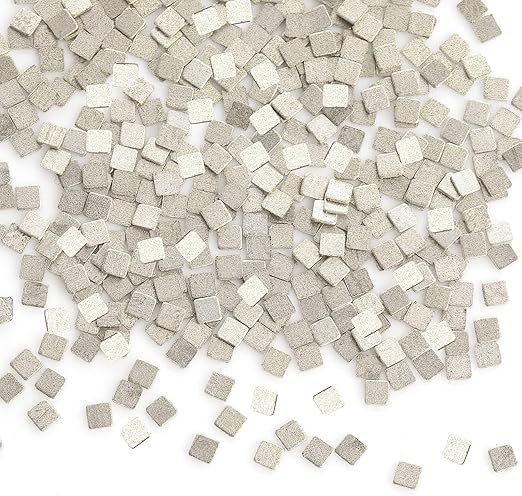
Small solder chips are easier to control and create cleaner seams.
- Use small solder chips whenever possible.
- Prepare the seam carefully instead of adding extra solder.
- Avoid flooding the seam area.
- Excess solder increases filing and sanding work.
Poor Seam Fit
Solder cannot properly fill large gaps. If the seam does not fit tightly before heating, the solder may fail to flow correctly or produce a weak joint.
A clean seam is one of the most important parts of successful jewelry fabrication.
Dirty Metal Surfaces
Oils, oxidation, polishing residue and dirt can prevent solder from flowing correctly. Clean metal surfaces are essential for reliable jewelry soldering.
Many soldering problems disappear after improving cleaning and preparation.
- Clean the metal before fluxing.
- Avoid touching prepared seams excessively.
- Remove oxidation before soldering.
- Keep solder chips clean and organized.
Not Using Enough Flux
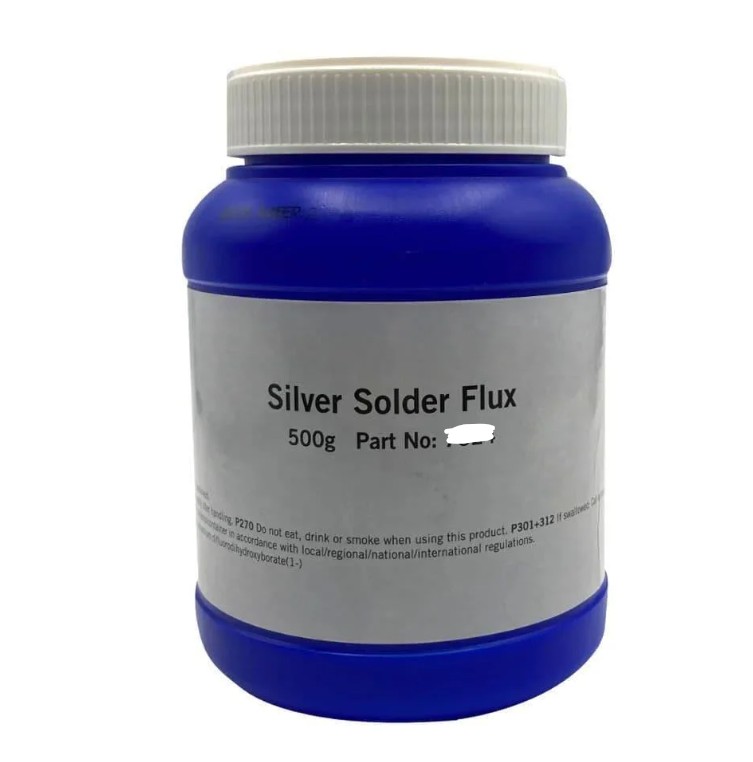
Flux protects silver from oxidation and helps solder flow properly. Without enough flux, solder may ball up or fail to travel across the seam.
Uneven flux coverage often creates uneven solder flow.
Heating The Solder Instead Of The Metal
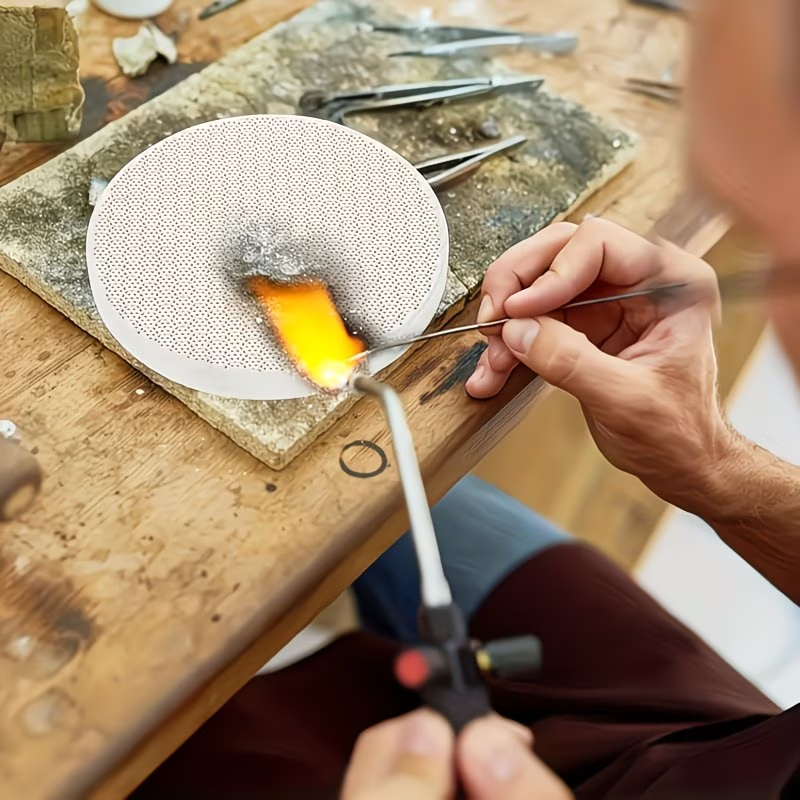
Beginners often point the torch directly at the solder chip. This usually causes poor flow because the surrounding metal never reaches proper soldering temperature.
The metal itself must become hot enough for the solder to flow correctly.
Uneven Heating
Uneven heating creates inconsistent solder flow and weak seams. Large pieces of metal often heat differently across the surface.
Thin areas may overheat while heavier areas remain too cool.
- Move the torch continuously.
- Heat larger metal sections gradually.
- Avoid concentrating heat in one small spot.
- Watch the metal color and flux behavior carefully.
Solder Balling Up Instead Of Flowing
Solder sometimes melts into a ball instead of flowing into the seam. This usually indicates a preparation or heating problem.
Common causes include:
- Dirty metal surfaces
- Poor flux coverage
- Insufficient heat
- Large seam gaps
- Oxidized solder
Poor Solder Placement
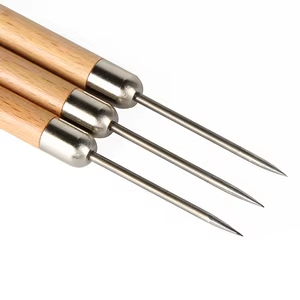
Solder should be placed where the seam will naturally pull it during heating. Poor placement often causes uneven flow or visible solder buildup.
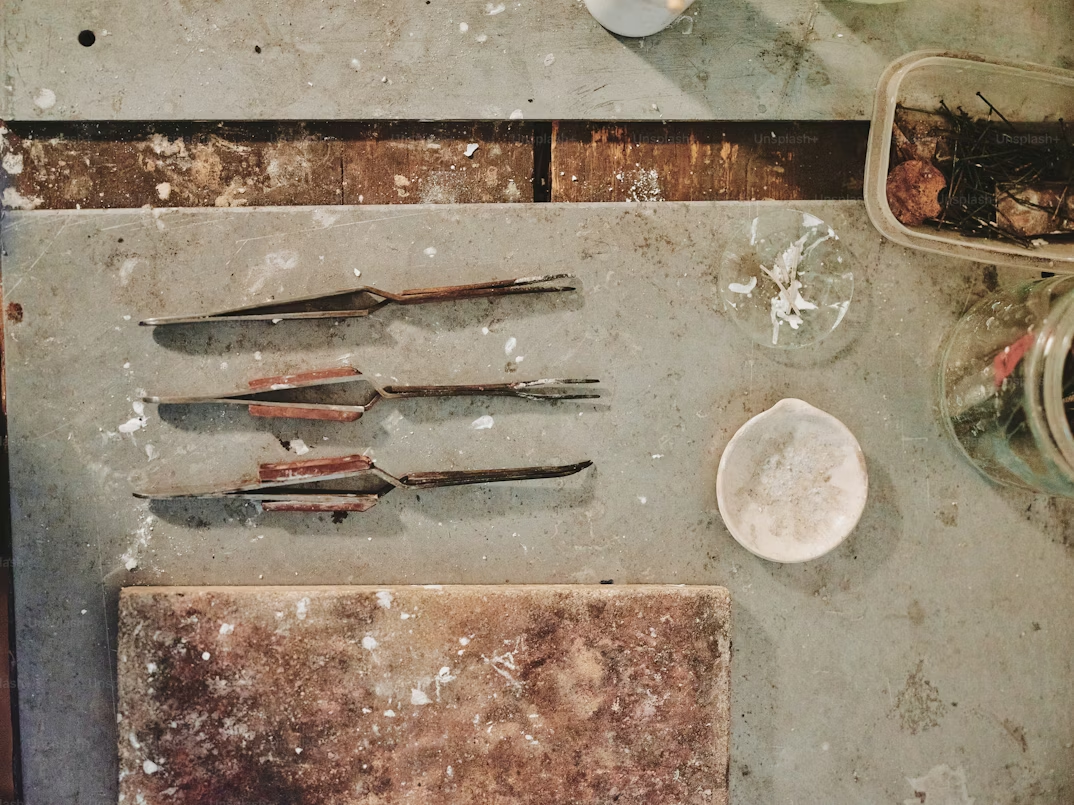
A soldering pick helps adjust chip placement during fabrication.
Overheating The Silver
Excessive heat can damage silver jewelry and distort delicate fabrication work. Thin metal may slump, warp or partially melt if overheated.
Overheating can also increase firescale and oxidation problems.
- Use controlled torch movement.
- Watch the metal carefully during heating.
- Avoid prolonged direct flame on thin areas.
- Use the correct solder grade for the task.
Firescale And Oxidation Problems
Firescale is a dark oxidation layer that forms below the surface of sterling silver during heating. It becomes more noticeable after polishing if not properly controlled.
Proper flux use and careful heat management help reduce firescale problems.
Poor Cleanup After Soldering
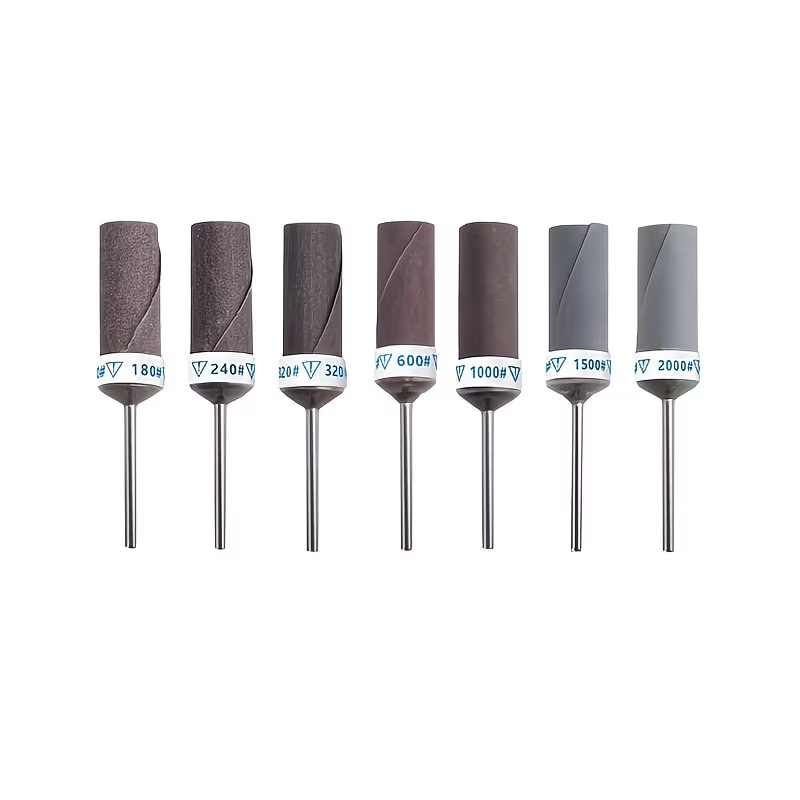
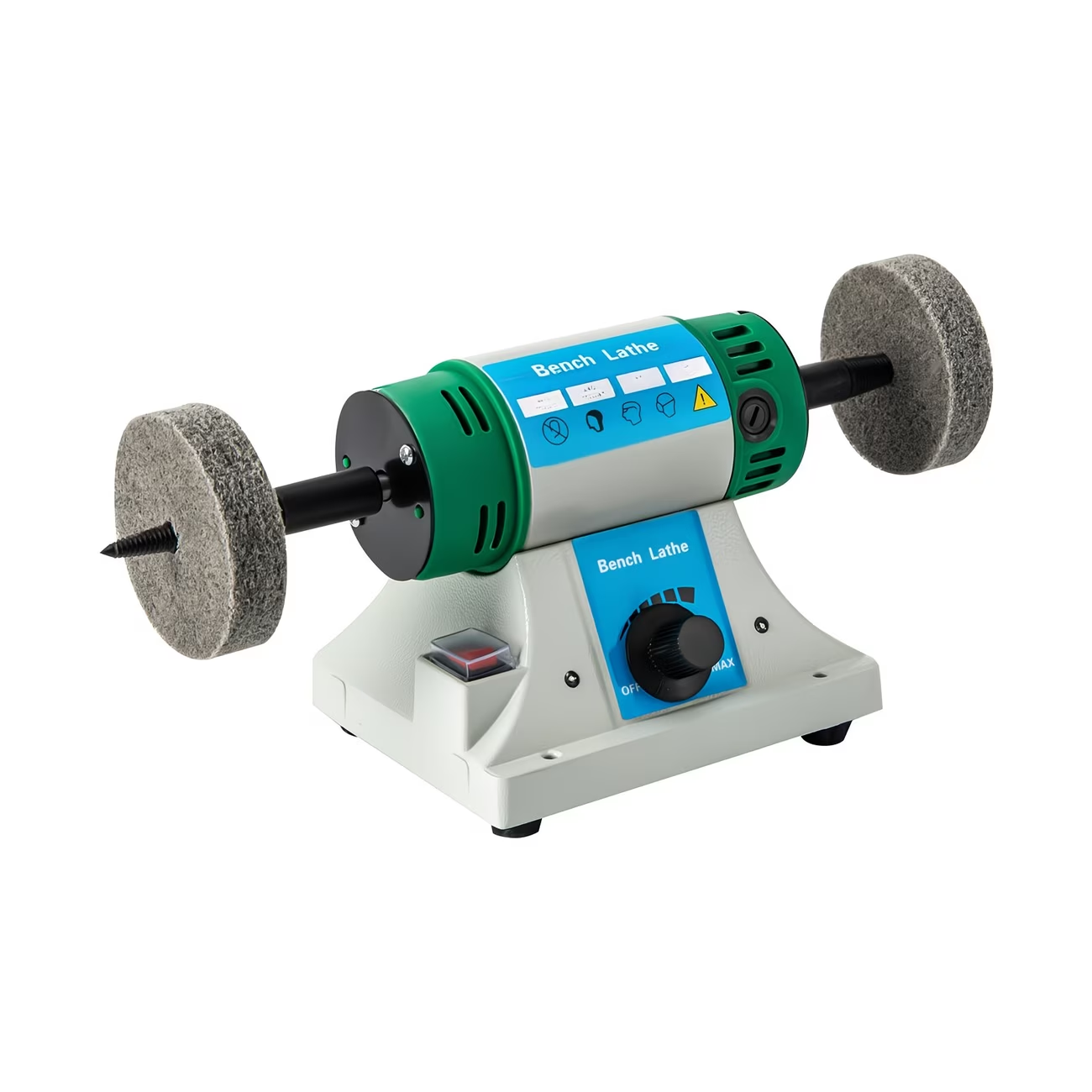
Soldering is only part of the fabrication process. Filing, sanding and polishing are necessary to create clean professional seams.
Rushing cleanup stages often leaves visible scratches, uneven surfaces and rough seams.
| Cleanup Stage | Purpose | Typical Tool |
|---|---|---|
| Pickling | Remove oxidation | Pickle solution |
| Filing | Remove excess solder | Jeweler’s file |
| Sanding | Remove scratches | Sandpaper |
| Polishing | Create final finish | Polishing machine |
Using The Wrong Solder Grade
Incorrect solder sequencing can cause earlier seams to reflow during later soldering operations.
Many jewelers use:
- Hard solder for early seams
- Medium solder for secondary fabrication
- Easy solder for final attachments
Why Soldering Problems Improve With Practice
Jewelry soldering is a skill built through repetition and observation. Many soldering problems become easier to diagnose after understanding heat flow, seam preparation and metal behavior.
Careful preparation usually solves more soldering problems than increasing heat or adding extra solder.