Why Metal Gauge Matters In Ring Making
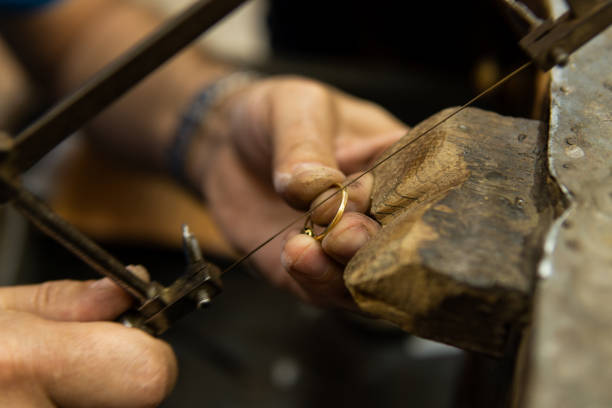
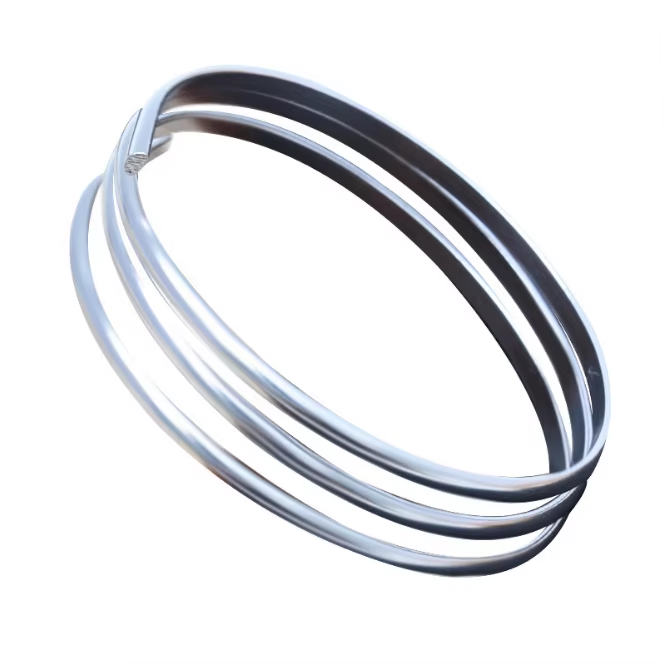
Metal gauge affects almost every part of ring fabrication, including durability, comfort, appearance, weight and finishing workflow.
Choosing the correct gauge helps create rings that feel balanced, strong and comfortable to wear.
What Jewelry Gauge Means
Gauge is a measurement system used to describe metal thickness. In jewelry fabrication, lower gauge numbers usually mean thicker metal, while higher gauge numbers mean thinner material.
Many jewelers convert gauge measurements into millimeters for more precise planning and fabrication work.
| Gauge | Approx. Thickness | Common Ring Use |
|---|---|---|
| 14 gauge | 1.63 mm | Heavy rings and wide bands |
| 16 gauge | 1.29 mm | Strong ring shanks |
| 18 gauge | 1.02 mm | General ring fabrication |
| 20 gauge | 0.81 mm | Lightweight rings and bezels |
| 22 gauge | 0.64 mm | Fine decorative work |
Why Millimeters Matter More Than Gauge
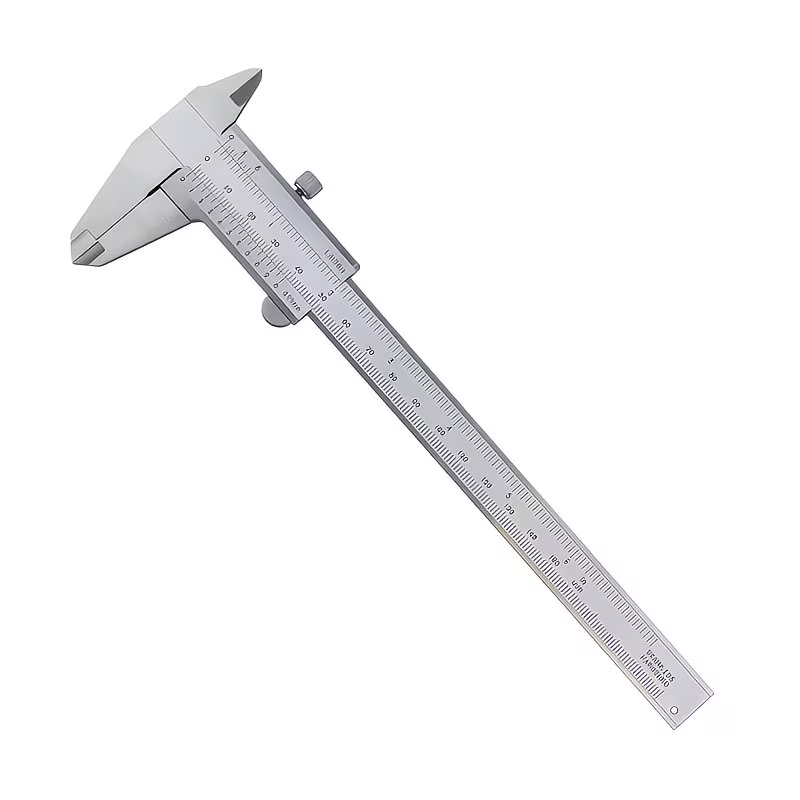
Many jewelers prefer working in millimeters because millimeter measurements are more precise and easier to compare during fabrication.
Gauge systems can vary slightly between countries and suppliers, while millimeter measurements remain consistent.
- Millimeters improve fabrication accuracy.
- Calipers provide more reliable measurements.
- Precise thickness matters for stone setting and soldering.
- Templates and calculators often work better in millimeters.
Choosing Gauge Based On Ring Width
Wider rings usually require thicker metal than narrow bands. Thin metal on wide rings may flex too easily and feel structurally weak.
Narrow rings can often use slightly thinner gauges while remaining durable and comfortable.
Thin Rings vs Thick Rings
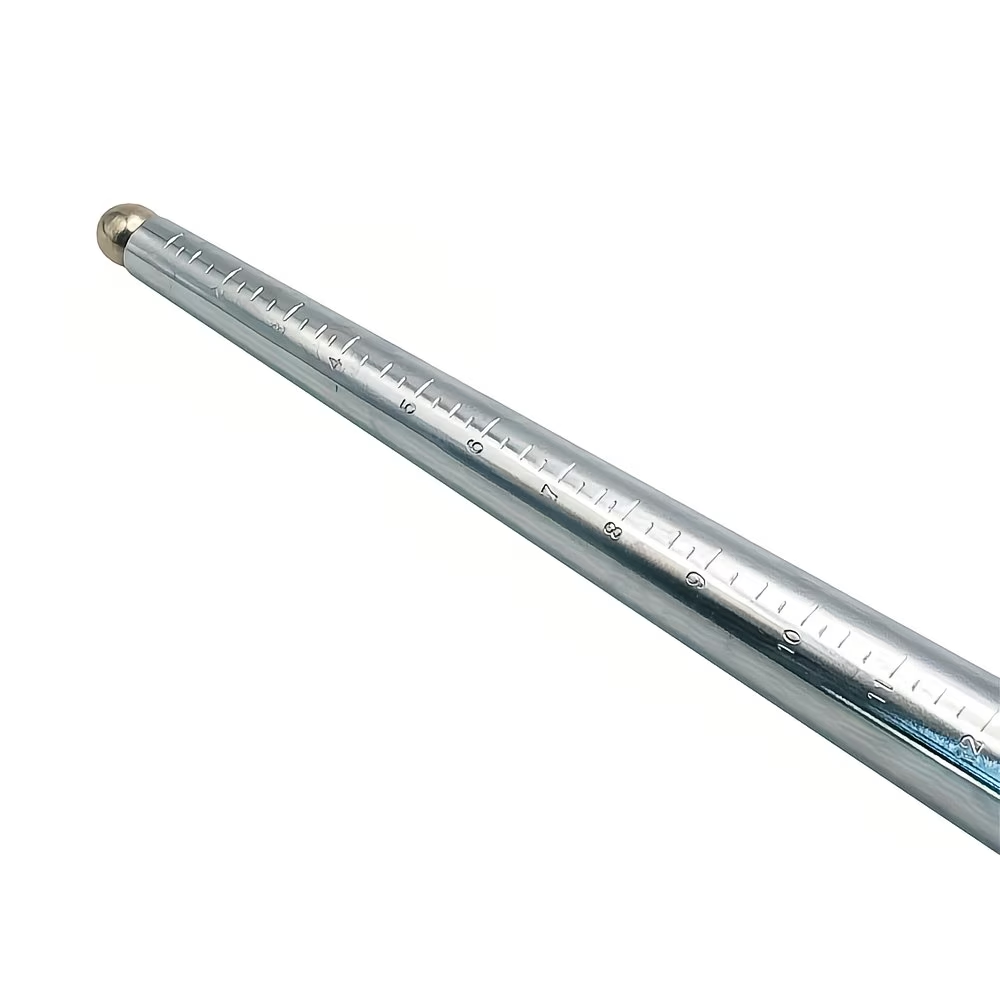
Thin rings are lightweight and comfortable but may bend more easily during daily wear. Thick rings feel more substantial and durable but require more finishing work.
The ideal thickness depends on ring width, metal type, design style and intended use.
| Ring Type | Typical Gauge | Main Consideration |
|---|---|---|
| Delicate stacking ring | 20–22 gauge | Lightweight appearance |
| General silver band | 18–20 gauge | Balanced strength and comfort |
| Wide band ring | 16–18 gauge | Additional structural support |
| Heavy statement ring | 14–16 gauge | Durability and stiffness |
How Metal Gauge Affects Soldering
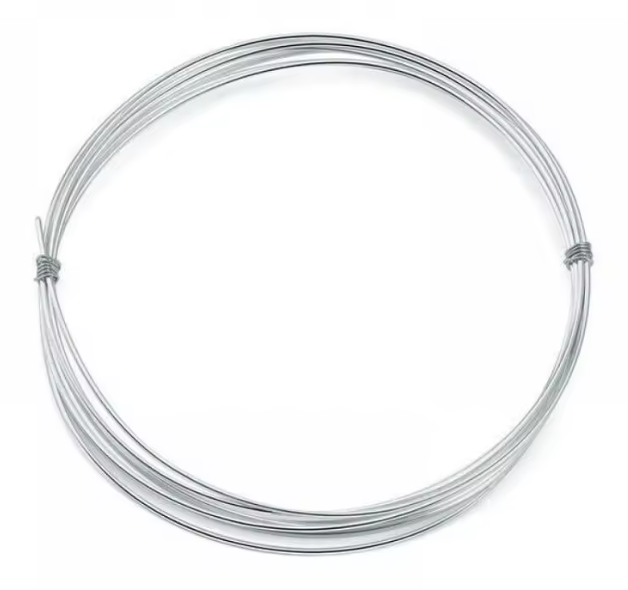
Thicker metal requires more heat during soldering and usually takes longer to reach soldering temperature. Thin metal heats rapidly and can overheat more easily.
Understanding metal thickness helps improve solder control and seam quality.
How Gauge Affects Filing And Sanding
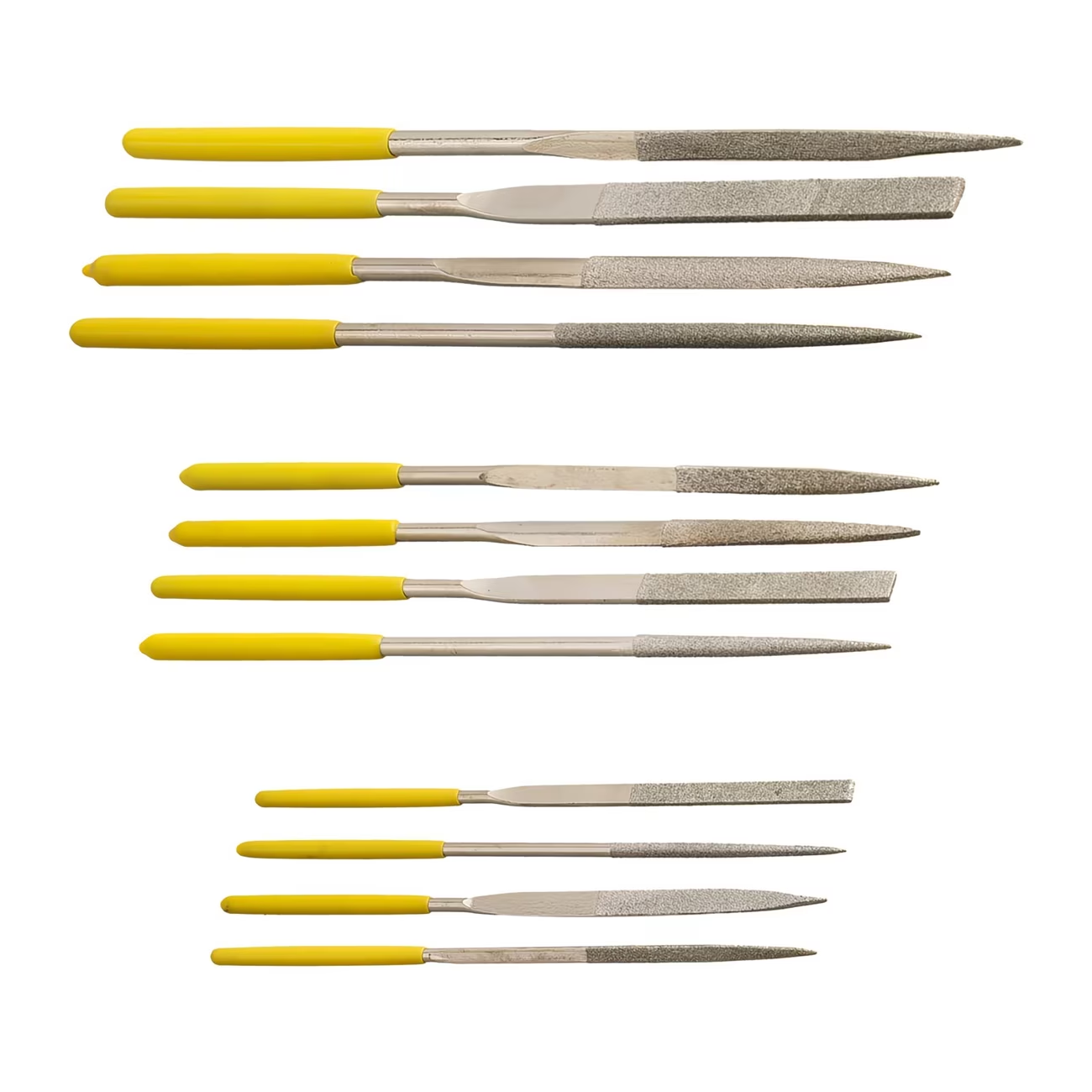
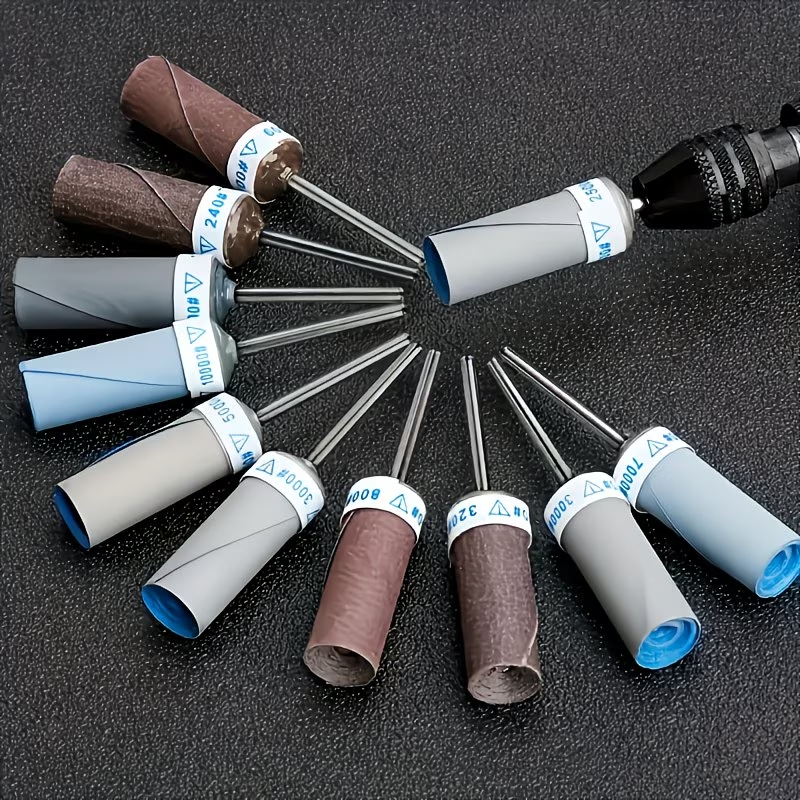
Thin metal leaves less room for aggressive filing or heavy sanding. Over-finishing thin rings can unintentionally weaken the structure.
Thicker metal provides more flexibility during shaping and cleanup stages.
Choosing Gauge For Comfort
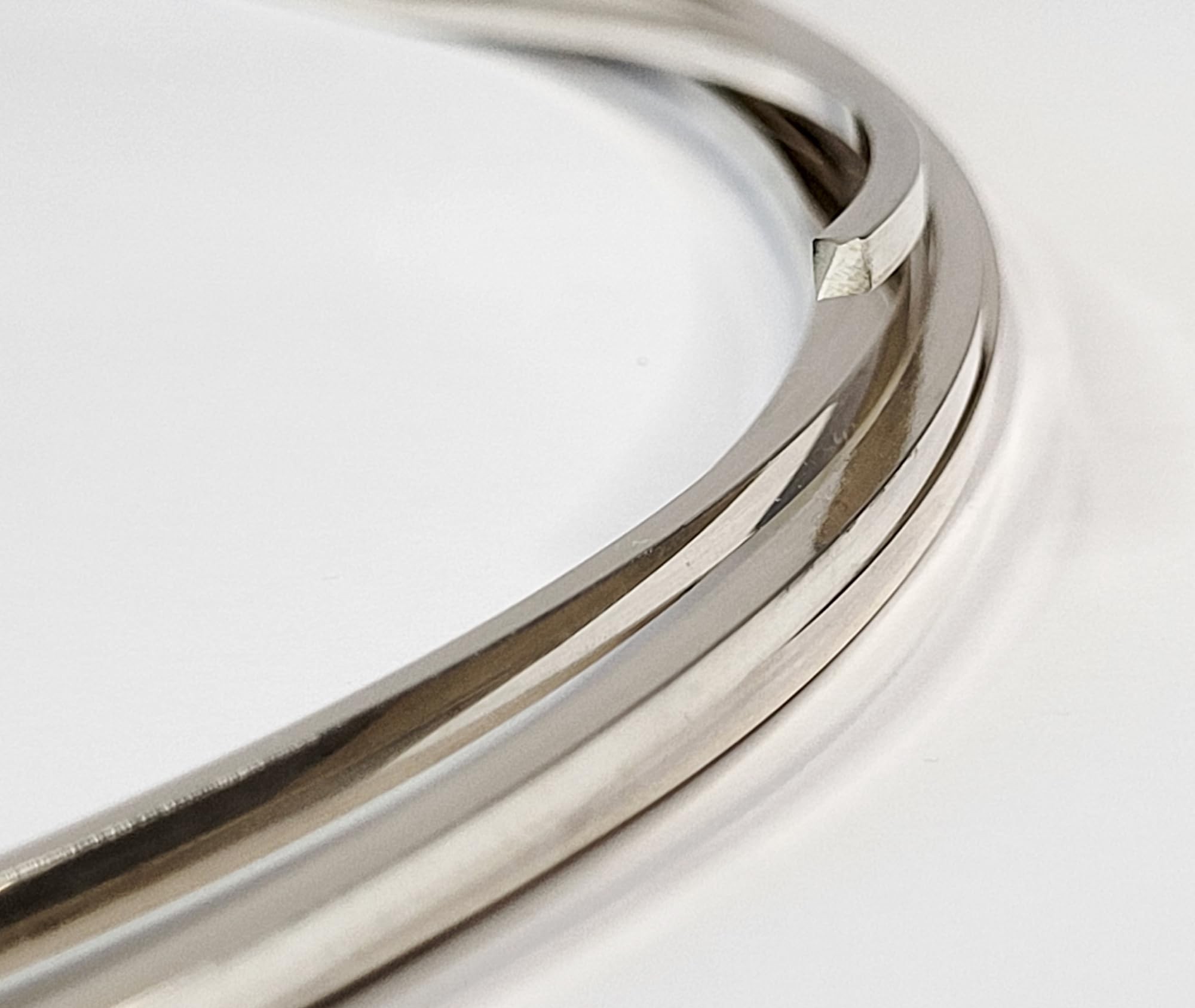
Comfort depends on both ring width and thickness. Rings that are too thick may feel bulky, while rings that are too thin may feel sharp or flimsy.
Many jewelers slightly soften edges on thicker rings to improve comfort during daily wear.
- Wide rings often benefit from comfort-fit interiors.
- Thin rings may deform more easily.
- Heavy rings require more edge refinement.
- Balanced proportions improve wearability.
Common Beginner Gauge Mistakes
- Using metal that is too thin: creates weak rings that bend easily.
- Using excessive thickness: increases weight and fabrication difficulty.
- Ignoring ring width: wide rings need additional support.
- Over-filing thin rings: weakens the final structure.
- Relying only on gauge numbers: millimeter measurements are often more reliable.
Typical Gauge Recommendations For Rings
Exact gauge choice depends on design style and fabrication method, but many jewelers follow similar starting ranges.
| Ring Style | Suggested Gauge | Notes |
|---|---|---|
| Stacking rings | 20–22 gauge | Lightweight and delicate |
| Standard silver bands | 18–20 gauge | Most common fabrication range |
| Wide bands | 16–18 gauge | Better support and rigidity |
| Heavy fabricated rings | 14–16 gauge | More durable construction |
Why Correct Gauge Improves Jewelry Quality
Choosing the correct metal thickness improves durability, comfort, fabrication control and finishing quality.
Balanced ring proportions usually feel more professional and visually refined.