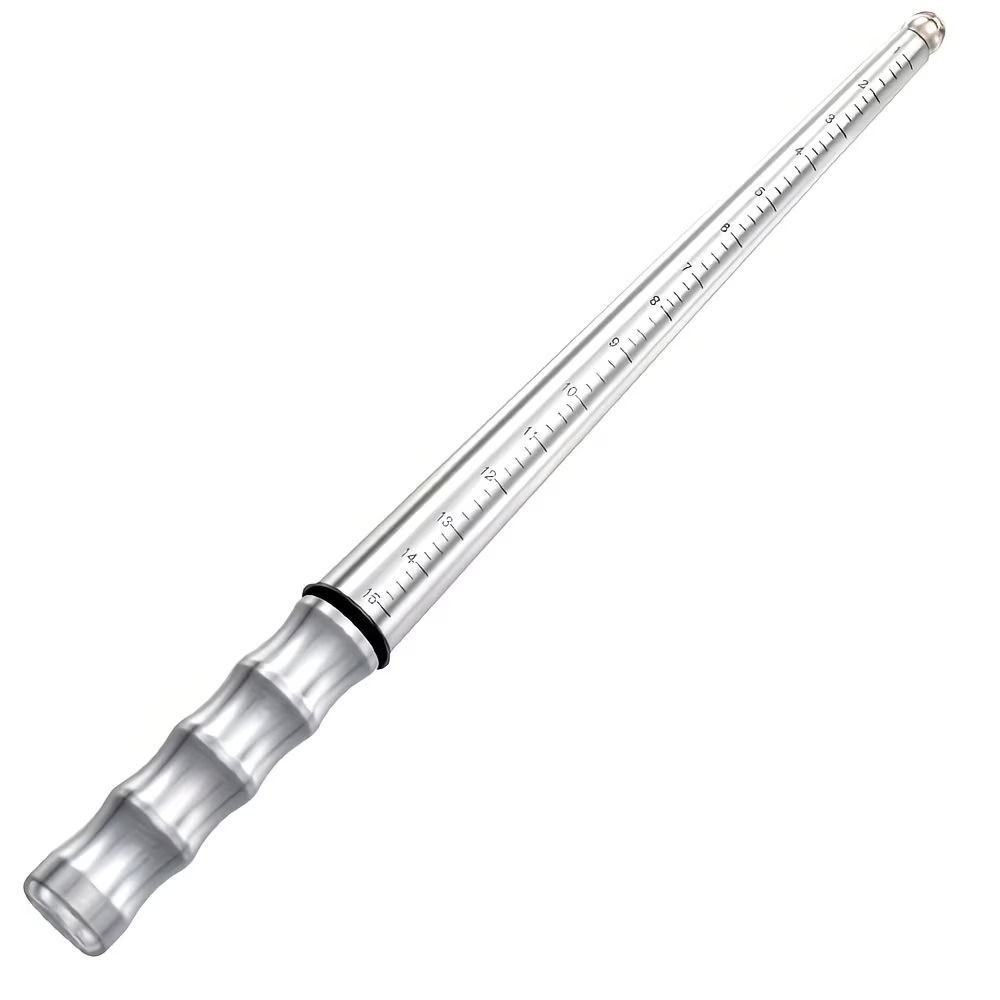
What Is Ring Width?
Ring width is the distance from one edge of the band to the other edge. It is usually measured in millimeters and has a major effect on how a ring looks, feels and fits on the finger.
A narrow ring can feel delicate and minimal, while a wide ring often feels heavier, more visible and more substantial. Width also affects comfort, sizing and the metal thickness needed for a durable ring.
Standard Ring Width Chart
There is no single universal ring width standard, but these measurements are common starting points for handmade rings, wedding bands, stacking rings and everyday jewelry.
| Ring Width | Common Use | Visual Feel | Workshop Notes |
|---|---|---|---|
| 1.5–2 mm | Very delicate stacking rings | Fine and minimal | Best for light rings and subtle designs. |
| 2–3 mm | Stacking rings, thin bands | Light and delicate | Common for simple silver or gold stacking rings. |
| 3–4 mm | Classic slim bands | Balanced and wearable | Good everyday width for many ring styles. |
| 4–5 mm | Standard wedding bands, everyday rings | Medium presence | Often comfortable while still feeling substantial. |
| 6 mm | Medium-wide bands | Noticeable and solid | Wide enough to need careful comfort planning. |
| 7–8 mm | Wide bands, statement rings | Bold and substantial | May require slight sizing adjustment for comfort. |
| 10 mm+ | Heavy statement rings | Very bold | Needs careful forming, edge finishing and fit testing. |
Common Ring Widths For Women
Many women’s rings are made in narrower widths, especially stacking rings, engagement-style bands, delicate silver rings and everyday minimalist bands. Common widths often fall between 1.5 mm and 4 mm.
Wider women’s rings are also common, especially for statement designs, textured silver bands, signet-style rings and bold handmade pieces.
- 1.5–2 mm: very delicate stacking rings.
- 2–3 mm: common slim everyday rings.
- 3–4 mm: classic balanced ring width.
- 5–6 mm: wider statement bands.
- 7 mm and wider: bold or artistic ring designs.
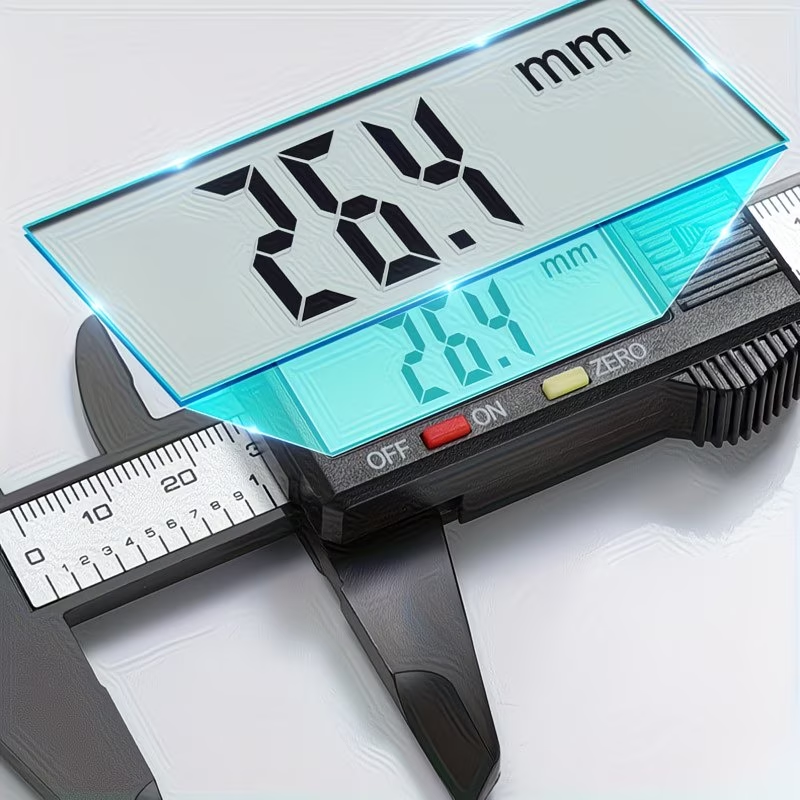
Common Ring Widths For Men
Men’s rings and wedding bands are often wider than delicate stacking rings. Common men’s ring widths usually fall between 5 mm and 8 mm, although slim 4 mm bands and heavy 10 mm statement rings are also used.
The best width depends on the wearer’s hand size, comfort preference, design style and how substantial the ring should feel.
- 4 mm: slim men’s band or minimal wedding band.
- 5 mm: balanced everyday men’s ring width.
- 6 mm: very common wedding band width.
- 7–8 mm: wider and more substantial bands.
- 10 mm+: bold statement or heavy forged rings.
Standard Wedding Band Widths
Wedding band widths vary widely, but many classic wedding rings fall between 2 mm and 8 mm. Narrow bands tend to look more delicate, while wider bands feel stronger and more visible.
| Wedding Band Width | Typical Style | Fit Notes |
|---|---|---|
| 2 mm | Very slim wedding band | Light and delicate, often paired with other rings. |
| 3 mm | Slim classic band | Comfortable for many daily-wear designs. |
| 4 mm | Medium classic band | Balanced width for simple wedding rings. |
| 5 mm | Substantial everyday band | More visible without feeling extremely wide. |
| 6 mm | Common medium-wide band | Needs more comfort consideration than narrow bands. |
| 7–8 mm | Wide wedding band | Often feels tighter and may need size adjustment. |
Wide Rings Usually Feel Tighter
A wide ring usually feels tighter than a narrow ring in the same size. This happens because the wider band contacts more of the finger and creates more friction as it passes over the knuckle.
This is especially important for rings around 6 mm wide or wider. If a ring is very wide, a standard narrow sizing gauge may not perfectly represent how the finished band will feel.
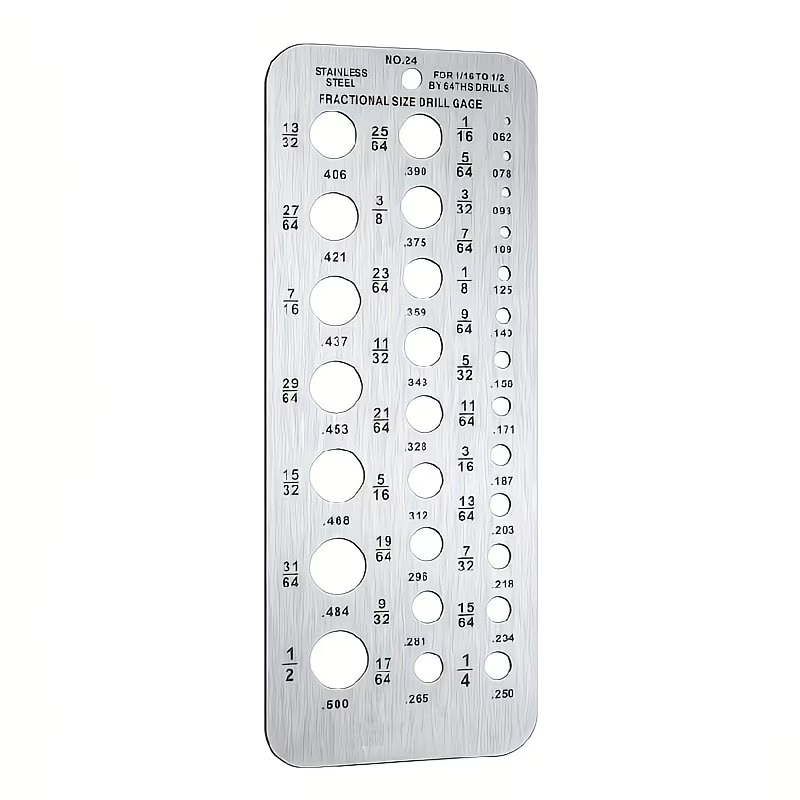
How Width Affects Metal Gauge
Ring width and metal thickness should be planned together. A narrow ring can often be made from lighter metal, while a wide band usually needs more thickness to feel stable and durable.
If a wide ring is made from very thin metal, it may flex, dent or feel weak. If a narrow ring is made from very thick metal, it may feel bulky unless the edges are shaped carefully.
- Narrow rings can often use lighter gauges.
- Wider rings usually need stronger metal thickness.
- Heavy bands require more forming force and better annealing control.
- Comfort edges become more important as width and thickness increase.
How To Choose A Ring Width
The best ring width depends on comfort, style, hand proportions and how the ring will be worn. A delicate stacking ring has very different requirements from a heavy everyday silver band.
Before choosing a width, consider:
- The wearer’s finger size and hand proportions.
- Whether the ring will be worn alone or stacked.
- Whether the ring is for daily wear or occasional wear.
- The metal gauge and strength needed.
- The comfort of the inside edges.
- Whether the ring needs room for engraving, texture or stones.
Ring Width And Ring Blank Length
Ring width does not directly change the ring blank length formula in the same way metal thickness does, but it affects planning. Wider rings need better fit testing, more careful forming and often stronger metal.
For ring blank calculations, the most important measurements are inside diameter and metal thickness. But width should be chosen before cutting so the ring is planned as a complete design.

Common Ring Width Mistakes
- Choosing width only by appearance: comfort and fit matter too.
- Making wide rings too thin: the band may feel weak or flexible.
- Ignoring hand proportions: the same width can look different on different fingers.
- Using a narrow sizer for a wide band: wide rings often feel tighter.
- Forgetting edge finishing: wide or thick rings need softened edges for comfort.
Quick Ring Width Reference
Use this quick guide as a starting point when planning handmade rings.
| Width Range | Typical Ring Style | Best For |
|---|---|---|
| 1.5–2 mm | Very thin ring | Delicate stacking designs. |
| 2–3 mm | Slim ring | Minimal rings and light everyday bands. |
| 3–5 mm | Medium ring | Classic everyday rings and wedding bands. |
| 6–8 mm | Wide ring | Substantial bands and statement designs. |
| 10 mm+ | Very wide ring | Bold statement pieces and heavy fabricated rings. |