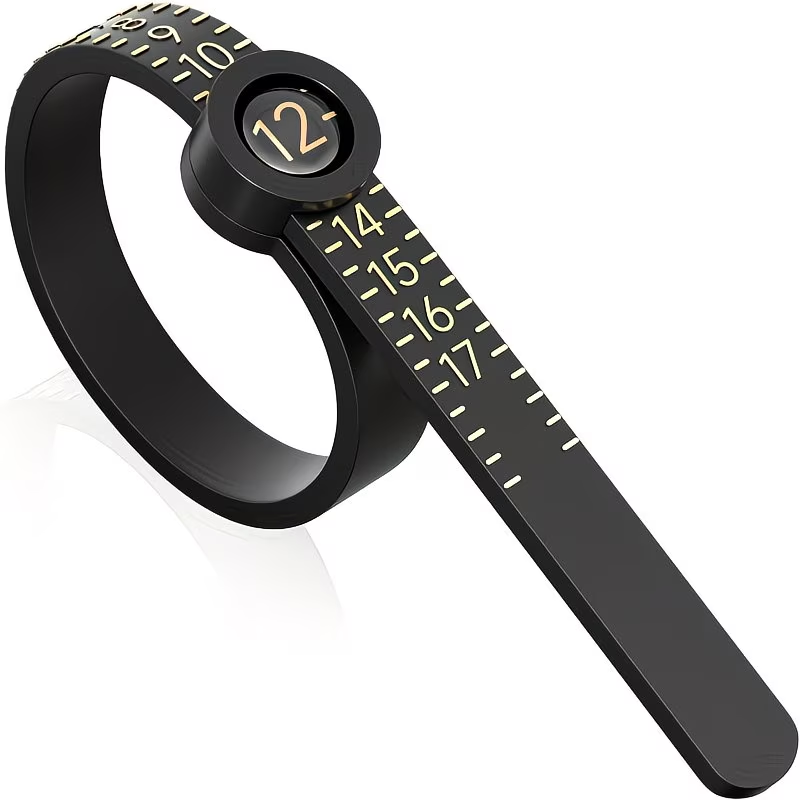
Why Ring Sizing Mistakes Happen
Ring sizing looks simple until the finished ring does not fit the way expected. A ring can measure correctly on a chart or mandrel and still feel too tight, too loose, too wide or uncomfortable on the finger.
Most ring sizing mistakes happen because the maker only checks one measurement. In real jewelry making, ring size depends on inside diameter, ring width, metal thickness, finger shape, comfort fit, finishing and how the ring is formed.
1. Measuring Only The Finger Size
One of the most common mistakes is measuring the finger and assuming that number is all you need. Finger size is important, but it is only the starting point.
A narrow ring and a wide ring can feel different even if both are made to the same inside diameter. A ring with sharp edges can also feel tighter than a ring with softened comfort edges.
- Measure the finger size carefully.
- Consider the intended ring width.
- Think about whether the ring will have flat or rounded edges.
- Check whether the customer or wearer prefers a snug or loose fit.
2. Forgetting That Wide Rings Feel Tighter
Wide rings usually feel tighter than narrow rings. This is because a wider band covers more surface area on the finger and has less room to move over the knuckle and soft tissue.
A 2 mm stacking ring and an 8 mm band may both measure the same size on paper, but they often do not feel the same when worn.
3. Ignoring Metal Thickness In The Ring Blank
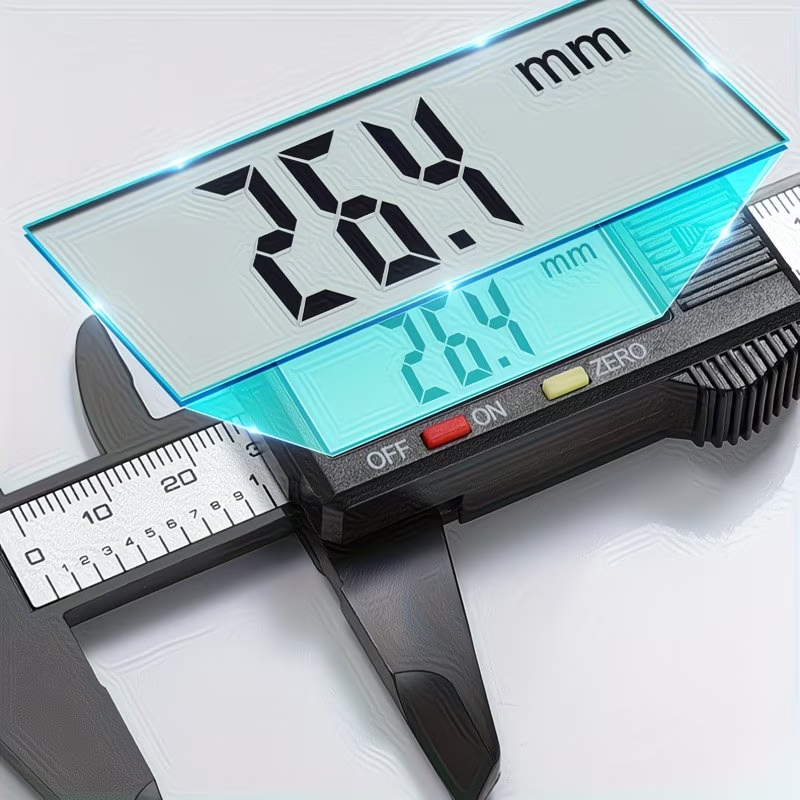
Metal thickness affects ring blank length. If the blank length calculation does not include the actual thickness of the metal, the ring may finish smaller or larger than expected.
Gauge charts are useful, but the safest method is to measure the actual metal thickness with calipers and use that value in millimeters.
4. Trusting Gauge Numbers Without Measuring
Many makers choose metal by gauge, but gauge is not always exact enough for fitted ring work. Supplier tolerances, rolling, polishing and previous workshop handling can all change the actual metal thickness slightly.
A small thickness difference can matter when calculating ring blanks, especially for wider bands or rings that need to fit accurately.
- Use gauge for ordering metal.
- Use millimeters for calculations.
- Measure the actual sheet or wire before cutting.
- Check thickness again if the metal has been rolled, forged or heavily finished.
5. Reading The Ring Mandrel Incorrectly
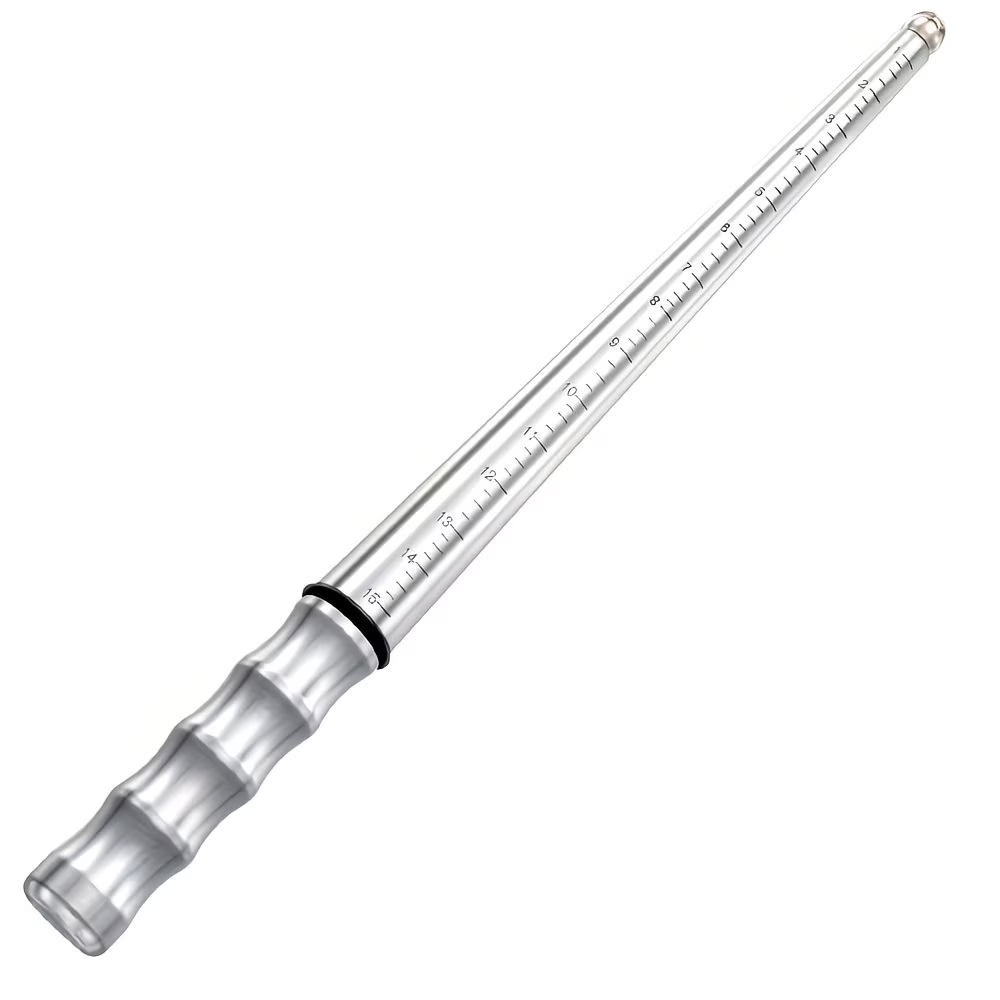
A ring mandrel is one of the most useful tools in ring making, but it can also cause mistakes if it is read incorrectly.
The ring should sit level on the mandrel when checking size. If the ring is tilted, oval, not fully round or has uneven edges, the reading may be misleading.
6. Not Accounting For Filing And Finishing
Filing, sanding, shaping and polishing all remove small amounts of metal. This can affect both the final width and the final internal size of a ring.
Heavy cleanup after soldering can slightly enlarge the inside of the ring or soften the edges enough to change how the ring feels. This is usually small, but it matters when aiming for a precise finished fit.
- Leave enough material for cleanup.
- Avoid over-filing the inside of the band.
- Check size again after major sanding stages.
- Finish the inside edges carefully for comfort.
7. Forgetting That Fingers Change Size
Finger size can change during the day because of temperature, humidity, activity, salt intake and normal swelling. A ring measured at one time may feel different later.
For custom rings, it is helpful to confirm the size more than once when accuracy matters. This is especially important for wide rings, heavy bands and rings that cannot easily be resized.
8. Making The Ring Perfectly Round Too Late
Ring size should be checked after the ring is properly rounded. If the ring is still oval or uneven, the size reading may not be accurate.
After soldering, a ring often needs to be shaped on a mandrel before final size checking. Do not rely on the size while the ring is still distorted from forming, soldering or pickling.
- Form the blank as evenly as possible before soldering.
- Round the ring on a mandrel after soldering.
- Check size only after the ring sits evenly.
- Recheck after final finishing.
9. Choosing The Wrong Ring Width For The Wearer
Ring width is both a design choice and a fit choice. A very wide band can look strong and intentional, but it may not suit every finger or every daily-wear situation.
Narrower rings are often easier to wear, while wider rings need more careful sizing and comfort planning.
10. Skipping A Test Fit Or Practice Ring
For expensive metal or important custom rings, skipping a test fit can be risky. A simple practice band in copper, brass or scrap silver can help confirm width, size and comfort before cutting the final material.
This is especially useful when making wide bands, rings with unusual profiles or rings where resizing would be difficult.
- Make a quick test band for difficult sizes.
- Confirm the width before using expensive metal.
- Check comfort over the knuckle and at the base of the finger.
- Use the test to refine blank length and edge shape.
Ring Sizing Mistakes Quick Checklist
Before cutting, soldering or finishing a ring, use this quick checklist to reduce sizing errors.
| Check | Why It Matters |
|---|---|
| Finger size | Gives the starting size for the ring. |
| Ring width | Wide rings often feel tighter than narrow rings. |
| Metal thickness | Affects blank length calculation and final fit. |
| Ring profile | Flat, rounded and comfort-fit rings can feel different. |
| Mandrel reading | Must be checked when the ring is round and level. |
| Finishing allowance | Filing and sanding can slightly change fit and feel. |
How To Avoid Most Ring Sizing Problems
Most ring sizing problems can be avoided by slowing down before cutting the metal. Measure the finger, decide the ring width, choose the metal gauge, measure the actual metal thickness and calculate the blank length carefully.
After forming and soldering, check the ring again on a mandrel before final finishing. If the ring is wide, heavy or made for daily wear, pay extra attention to inside edges and comfort.