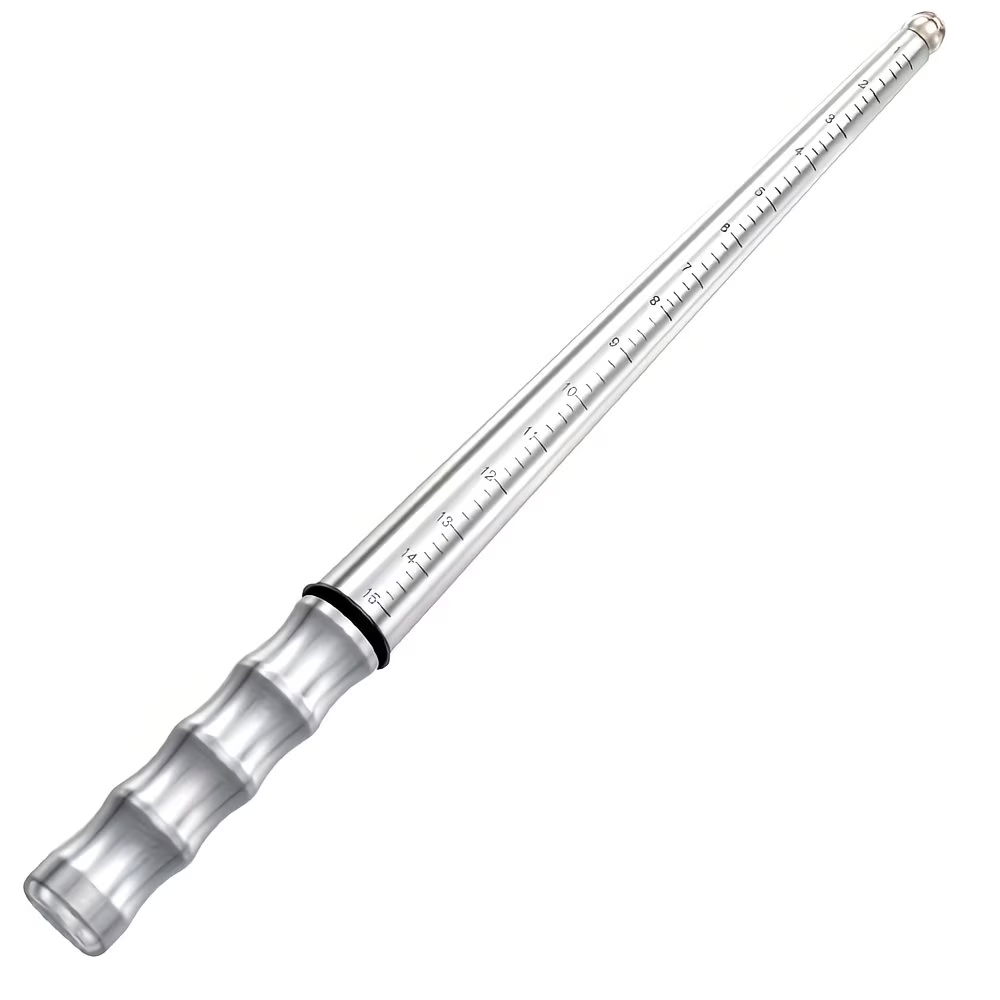
Why Ring Width Matters
Ring width changes how a ring looks, feels and fits on the finger. A narrow ring can feel light and delicate, while a wide ring often feels heavier, more substantial and visually larger.
Before cutting a ring blank, it is important to decide how wide the final ring band should be. The width affects comfort, metal thickness, forming difficulty and even the final ring size.
What Is Ring Width?
Ring width is the distance from one edge of the band to the other edge. It is usually measured in millimeters.
For example:
- 2 mm: very narrow stacking rings
- 4 mm: common everyday ring width
- 6 mm: medium-wide bands
- 8 mm and wider: statement rings and heavy bands
Even a small change in width can dramatically change how a ring feels and appears when worn.
How To Measure Ring Width
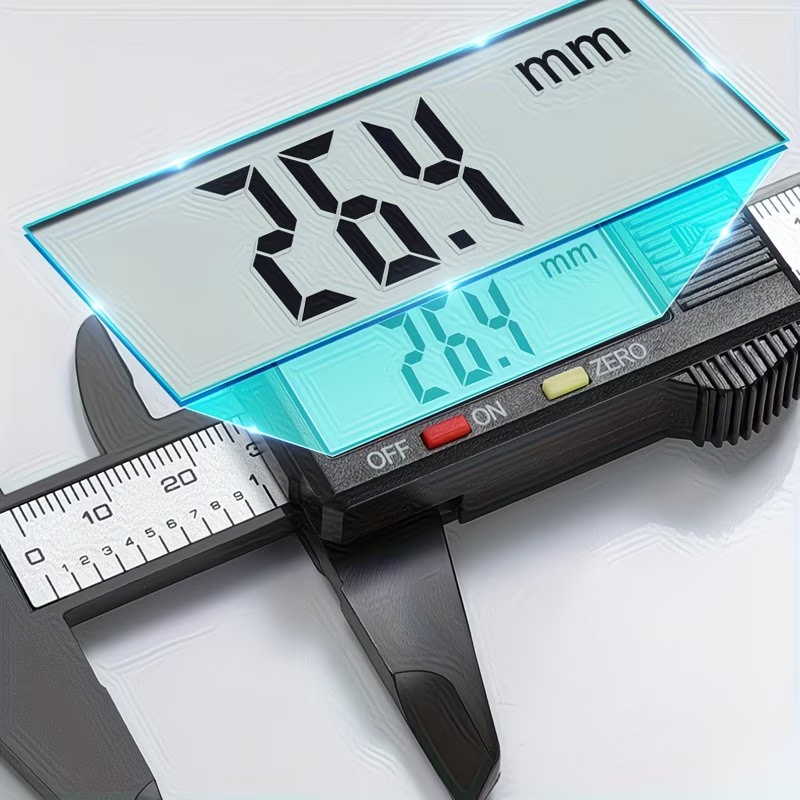
The most accurate way to measure ring width is with digital calipers. Measure straight across the width of the ring band from edge to edge.
When planning a new ring blank, measure the intended width before cutting the metal strip. This gives better control over the finished proportions and helps prevent wasting material.
Common Ring Widths In Jewelry Making
Different ring widths create different visual styles and wearing comfort. These are common starting points used in jewelry fabrication.
| Ring Width | Common Use | Feel On Finger |
|---|---|---|
| 2 mm | Stacking rings, delicate bands | Light and minimal |
| 3 mm | Simple everyday rings | Comfortable and subtle |
| 4 mm | Classic band width | Balanced everyday feel |
| 5–6 mm | Wider statement bands | More noticeable and heavier |
| 7–8 mm | Wide rings and bold designs | Substantial presence |
| 10 mm+ | Heavy statement or forged bands | Very bold and wide |
Wide Rings Feel Tighter
Wide rings usually feel tighter on the finger than narrow rings, even when the inside diameter is technically the same.
This happens because a wide ring covers more surface area on the finger. Many jewelers slightly increase the size of wider bands to improve comfort.
How Width Affects Ring Blank Planning
Ring width changes how much material is needed and how the ring behaves during forming. Wider blanks can be harder to bend evenly and may require thicker metal for proper support.
A narrow ring blank can usually be formed more easily with lighter gauges, while a wider ring often benefits from thicker stock and more careful edge finishing.
- Narrow bands usually need less structural thickness.
- Wide bands often require thicker metal.
- Wider blanks may need more annealing during forming.
- Comfort edges become more important on wide rings.
Choosing The Right Width For Different Ring Styles
The ideal width depends on the purpose of the ring and the overall design. Delicate stacking rings often look best with narrow widths, while heavier statement rings need more visual weight.
- Stacking rings: often 2–3 mm wide
- Simple everyday bands: commonly 3–5 mm
- Wide silver bands: often 6–8 mm
- Statement rings: 8 mm or wider
Finger size also changes how width appears visually. A narrow band can look different on different hand sizes and proportions.
Measure Before Cutting The Ring Blank
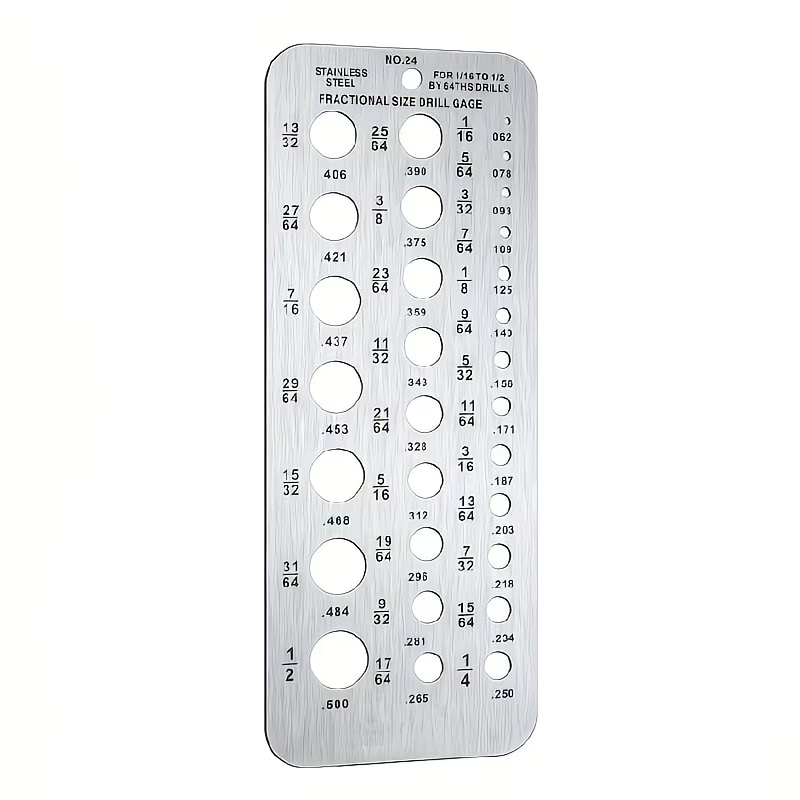
Before sawing or cutting metal, mark the intended width carefully using calipers, dividers or layout tools. Consistent width helps create cleaner solder seams, smoother shaping and a more professional finished ring.
Always double-check:
- Band width in millimeters
- Metal thickness
- Ring size
- Whether the design needs comfort edges
- Whether filing or finishing will reduce width slightly
Use Millimeters Instead Of Guessing
Measuring in millimeters gives more predictable results than estimating by eye. Even small width differences become noticeable on finished rings.
Use digital calipers whenever possible and plan the final width before calculating the ring blank length.
Common Ring Width Mistakes
- Making wide rings too thin: the band may flex or feel weak.
- Ignoring comfort: very wide rings may feel tighter than expected.
- Skipping measurements: guessing width often creates uneven bands.
- Not accounting for finishing: filing and sanding slightly reduce width.
- Choosing width before considering finger size: proportions matter visually.