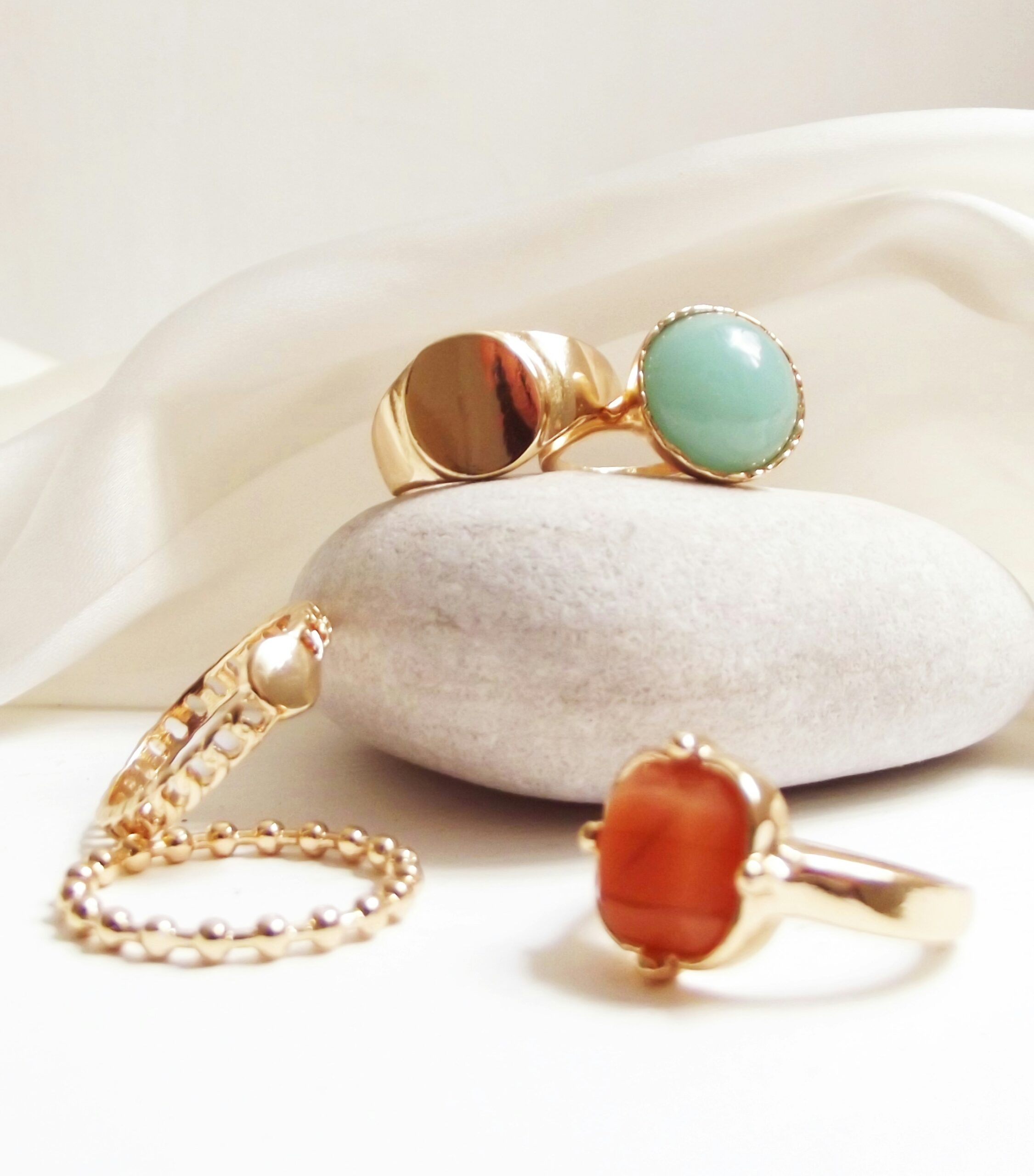
Why Bezel Wall Evenness Matters
The bezel wall is the visible rim of metal that surrounds and secures the stone. If the wall height is uneven, the finished setting can look tilted, rough or unfinished.
Uneven walls also affect how pressure moves during setting. One area may tighten too much while another area remains loose.
Common Causes Of Uneven Bezel Walls
Bezel walls can become uneven at several stages of the making process.
- bezel strip cut unevenly
- poorly matched bezel seam
- distortion during soldering
- uneven filing after soldering
- stone not sitting level
- seat prepared unevenly
- too much pressure on one side during burnishing
- thin bezel material stretching or folding
Start With Even Bezel Strip
The simplest way to prevent uneven bezel walls is to begin with clean, consistent bezel strip.
If the strip varies in height before soldering, the finished bezel will usually require more filing and correction later.
Before forming the bezel, check that the upper and lower edges are straight and free from damage.
The Seam Can Create Height Problems
A poorly joined seam can create a small step in the bezel wall. Even a tiny mismatch becomes more visible once the bezel is soldered, filed and burnished.
The two ends of the bezel strip should meet cleanly without overlap, twisting or height difference.
Soldering Can Distort The Bezel
Heat can move thin bezel walls, especially when the metal is soft or unsupported. A bezel that looked even before soldering can become slightly wavy after heating.
Distortion is more likely when:
- the bezel strip is very thin
- too much heat is applied to one side
- the backing plate overheats
- the bezel seam is overheated
- the bezel is not fully seated on the base
Filing The Bezel Wall Evenly
After soldering, the bezel wall often needs light correction. Filing should be slow and controlled.
The goal is not to remove a lot of material. The goal is to create a consistent top edge that follows the stone evenly.
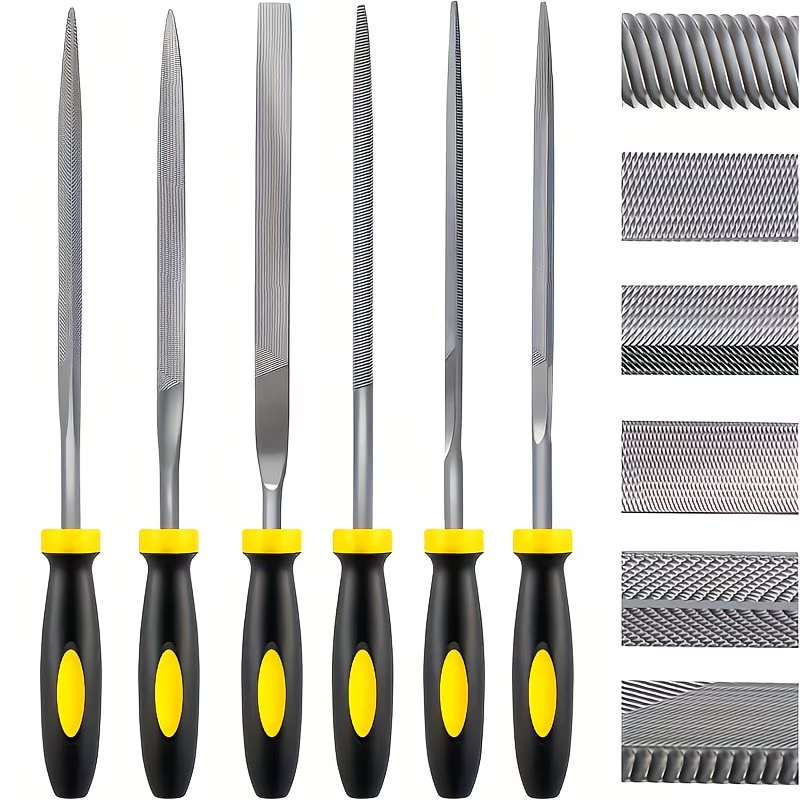
- support the piece securely
- use light pressure
- check height often
- avoid over-filing low areas
- keep the file level
The Stone Must Sit Level
Sometimes the bezel wall looks uneven because the stone is not sitting level inside the setting.
If the seat is higher on one side, the stone can tilt. This makes one section of bezel appear taller and another section appear too low.
Burnishing Can Make Uneven Walls Worse
If one section of bezel is pushed over too aggressively, the wall can collapse unevenly.
This often creates a lopsided edge where one area looks smooth and tight while another area looks tall, wrinkled or unfinished.
- work gradually around the stone
- avoid finishing one side before the rest
- use even pressure
- watch for stone movement
- stop if the wall begins to wrinkle
Quick Diagnosis Table
| Problem | Likely Cause |
|---|---|
| One wall section is much taller | Uneven strip, filing or seat height |
| Wall becomes wavy after soldering | Heat distortion or thin metal |
| Stone appears tilted | Uneven seat or unsupported stone base |
| Wall wrinkles during setting | Too much height, pressure or unsupported metal |
| One side stays loose | Uneven burnishing pressure or poor seat contact |
How To Prevent Uneven Bezel Walls
Most uneven bezel wall problems can be prevented by checking the setting repeatedly before final burnishing.
- start with straight bezel strip
- fit the seam cleanly
- avoid overheating during soldering
- file the top edge carefully
- prepare an even seat
- test-fit the stone often
- burnish gradually in stages
Related Bezel Guides
Final Thoughts
Uneven bezel walls are usually the result of several small issues adding up: imperfect strip, heat distortion, uneven filing, poor seat preparation or uncontrolled burnishing pressure.
The cleanest bezel settings come from checking the wall height, stone position and pressure balance throughout the entire fabrication process — not only at the end.