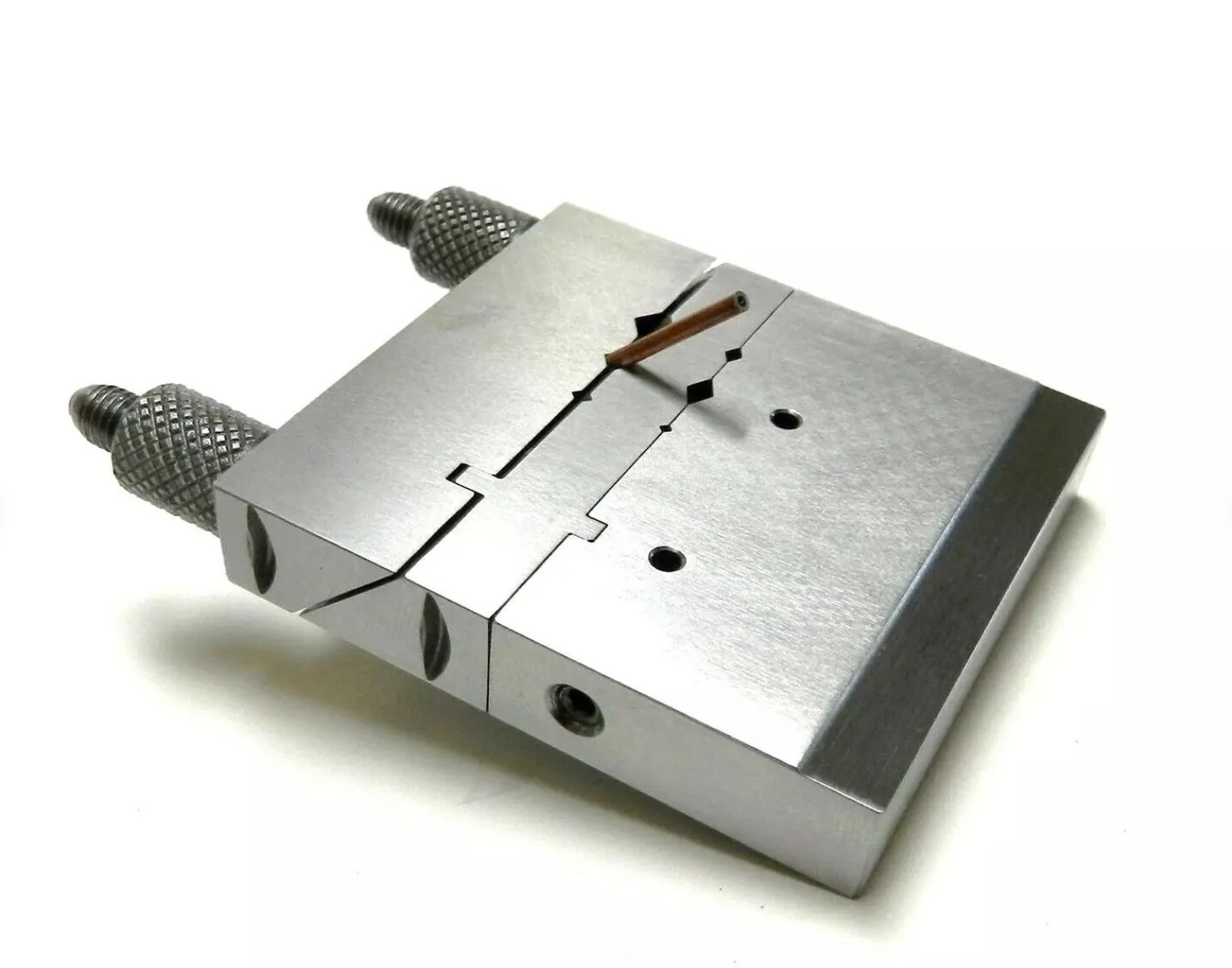
Why Ring Edge Finishing Matters
Filing and finishing ring edges is one of the most important parts of jewelry fabrication. Even a well-made ring can feel uncomfortable or unfinished if the edges are rough, uneven or too sharp.
Proper edge finishing improves comfort, appearance and durability while helping the ring feel more professional and refined.
Flat Edges vs Comfort Edges
Different ring styles use different edge profiles. Some handmade rings use crisp flat edges for a more architectural look, while others use softened comfort edges for smoother daily wear.
| Edge Style | Appearance | Comfort Level | Typical Use |
|---|---|---|---|
| Flat Edge | Sharp and modern | Moderate | Minimal or architectural rings |
| Softened Edge | Slightly rounded | High | Everyday wear rings |
| Comfort Fit | Rounded interior | Very high | Wedding bands and wide rings |
| Beveled Edge | Angled edge detail | Moderate | Modern fabricated bands |
Tools Used For Filing Ring Edges
Jewelry makers use several different tools when shaping and finishing ring edges. The exact tool depends on the ring style, metal thickness and desired finish.
- Jeweler’s files
- Needle files
- Sandpaper and sanding sticks
- Hand vises and ring clamps
- Miter vises for angle filing
- Polishing wheels and abrasives
Good workholding tools improve both safety and symmetry while filing.
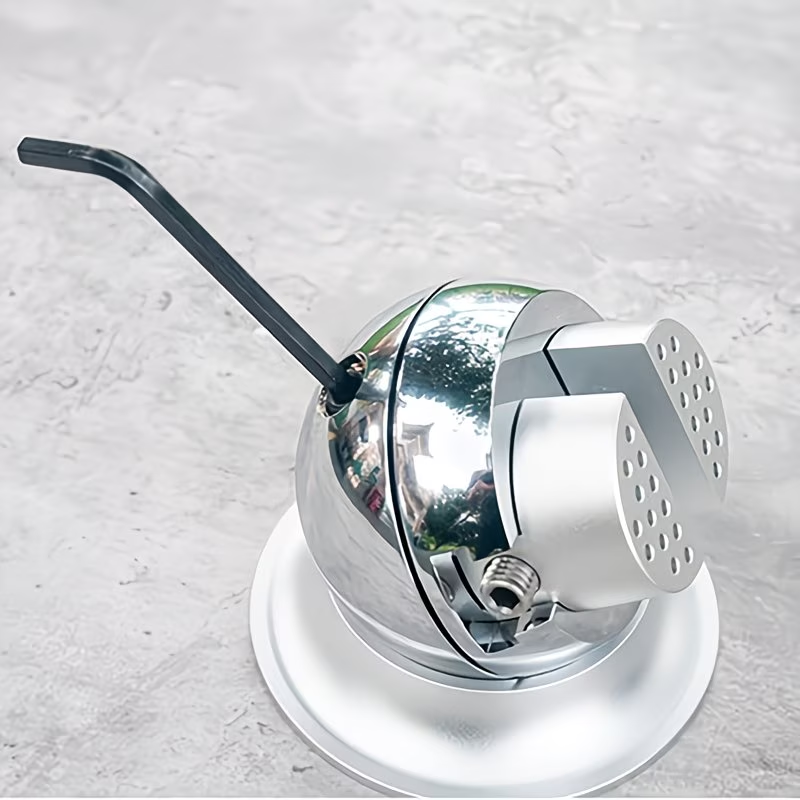
Holding The Ring Securely While Filing
One of the biggest challenges during ring finishing is holding the metal securely without damaging the surface.
A hand vise, ring clamp or miter vise helps stabilize the ring while filing edges, correcting symmetry or refining flat surfaces.
How To File Flat Ring Edges
Flat ring edges should look straight, even and symmetrical around the entire band. Use controlled filing strokes and check the ring frequently while rotating it.
Filing too aggressively in one area can create uneven edges or distort the ring profile.
- Use long controlled filing strokes.
- Rotate the ring frequently.
- Check symmetry often.
- Keep the file level during filing.
- Use finer abrasives after shaping.
Creating Comfort Edges
Comfort edges are slightly softened edges that make the ring feel smoother against the skin.
Many jewelers lightly round the inside edges of wider bands to improve comfort during daily wear.
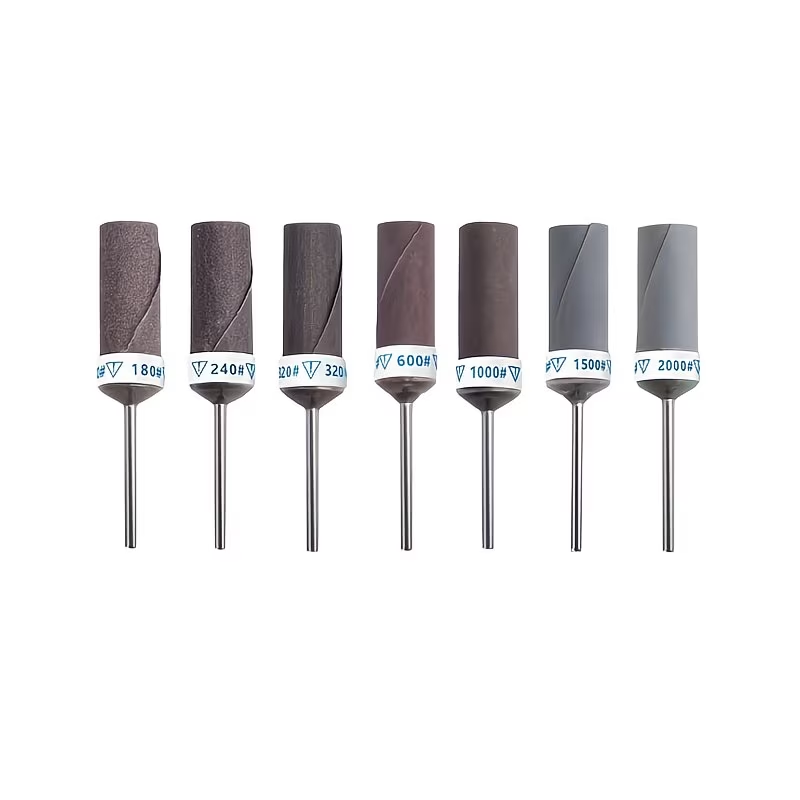
Filing Ring Edges Symmetrically
Symmetry is extremely important in handmade jewelry. Uneven ring edges can make a ring feel visually unbalanced even if the size itself is correct.
Jewelers often rotate the ring repeatedly during filing to ensure both sides remain even and visually consistent.
- Rotate the ring often while filing.
- Compare both edges under good lighting.
- Use calipers to check ring width consistency.
- Work slowly when refining final edges.
Using Sandpaper After Filing
Filing shapes the ring, but sanding removes file marks and smooths the surface. Most jewelers gradually move through finer abrasive grits during finishing.
Sanding also helps blend edges and prepare the ring for polishing.
| Stage | Purpose | Typical Abrasive |
|---|---|---|
| Initial shaping | Remove excess metal | Jeweler’s file |
| Surface refinement | Remove file marks | 220–400 grit |
| Pre-polish sanding | Smooth final surface | 600–1200 grit |
| Final polish | Create reflective finish | Polishing compound |
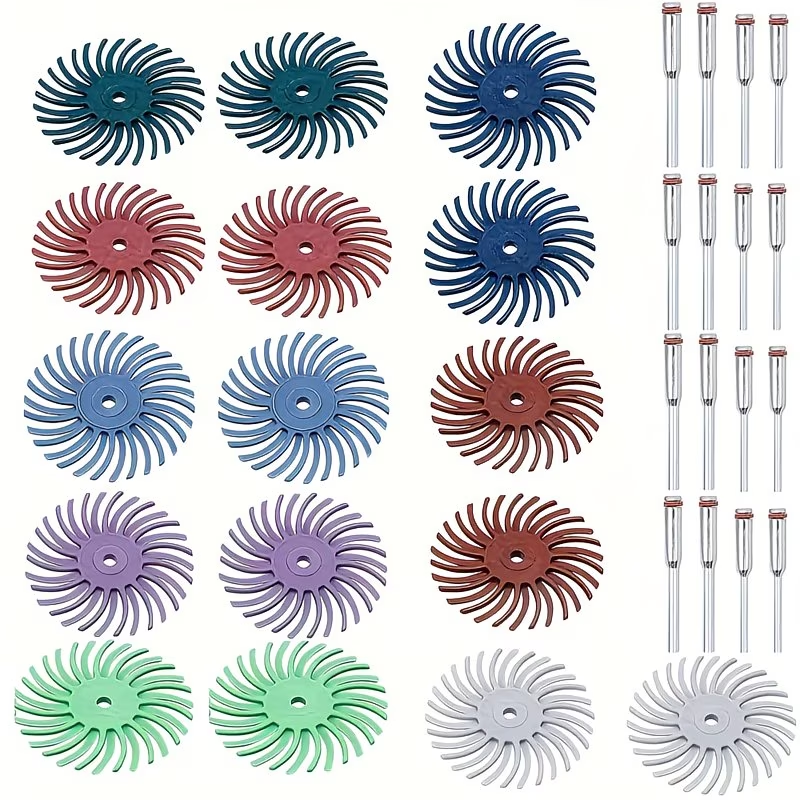
Using Abrasive Discs For Edge Cleanup
Grinding discs and abrasive wheels can be useful for refining metal edges, cleaning solder areas and preparing a ring for final sanding.
These tools should be used carefully. They remove metal faster than hand sanding, so light pressure and frequent checking are important.
Wide Rings Need More Edge Attention
Wide rings often need more careful edge finishing than narrow bands. Sharp edges become more noticeable as the ring width increases.
Comfort-fit interiors and softened edges are especially important on wide silver bands and heavy fabricated rings.
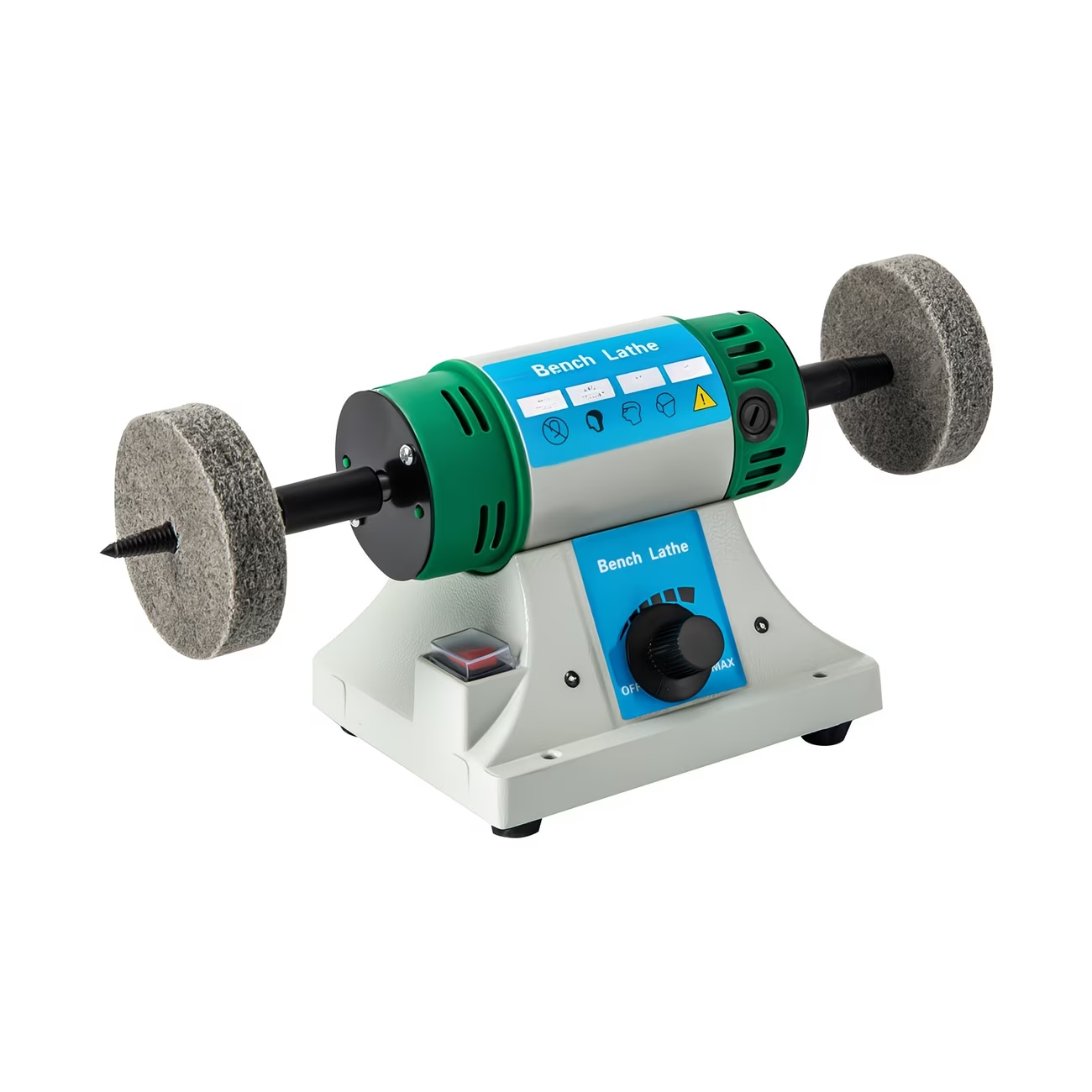
Final Polishing After Edge Finishing
After filing and sanding, final polishing brings the ring surface to its finished appearance. Polishing should not be used to hide deep scratches or uneven edges.
The cleaner the filing and sanding stages are, the better the final polish will look.
Common Ring Edge Finishing Mistakes
- Filing too aggressively: can create uneven surfaces.
- Skipping sanding stages: leaves visible scratches.
- Over-rounding the edges: changes the ring profile too much.
- Ignoring symmetry: uneven edges become very visible after polishing.
- Holding the ring poorly: increases slipping and filing mistakes.
How Ring Finishing Connects To Ring Sizing
Filing and finishing can slightly affect the final fit of a ring, especially on narrow bands or rings with thick edges.
Heavy filing inside the band may subtly change the comfort and internal feel, while aggressive outside filing may visually reduce ring width.
Why Clean Ring Finishing Matters
Clean edge finishing is one of the details that separates rough beginner jewelry from refined handmade fabrication.
Even simple silver bands feel more professional when the edges are smooth, symmetrical and comfortable to wear.