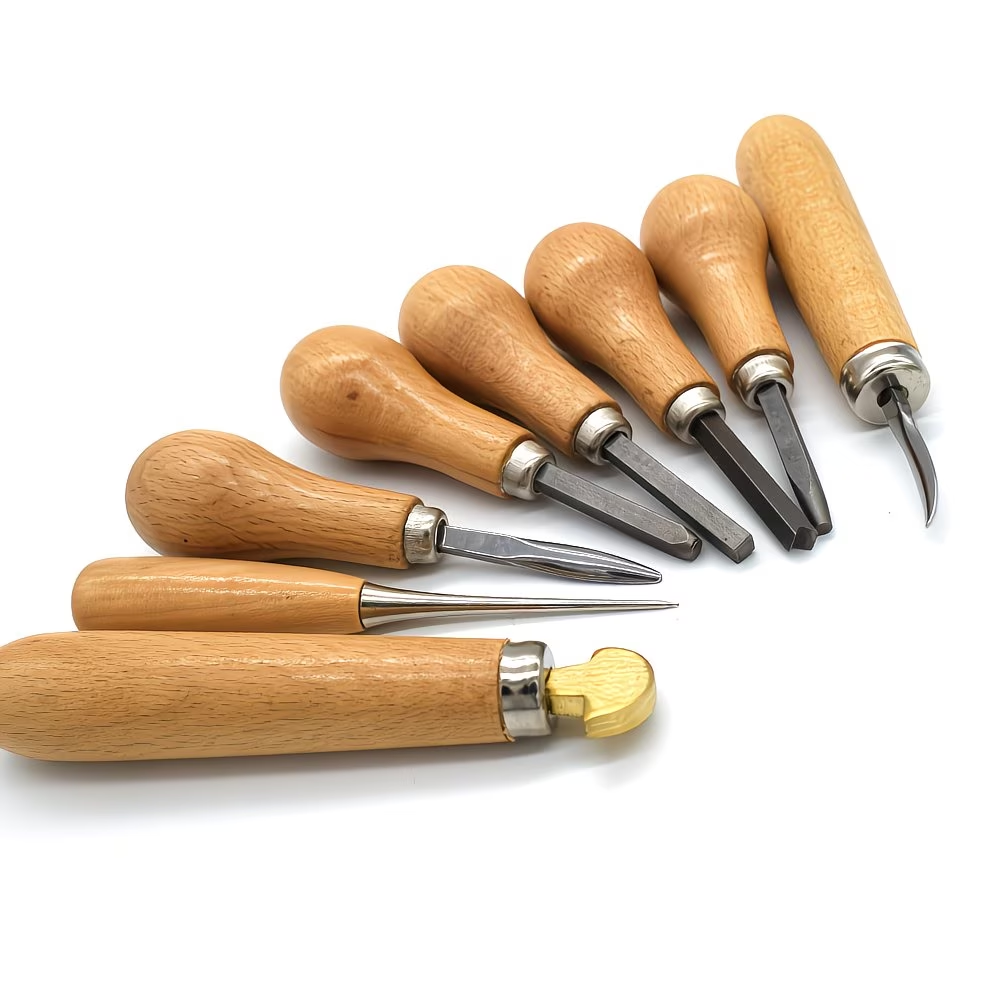
Why The Bezel Seat Matters
The bezel seat is the support area underneath the stone. It controls how the cabochon sits before the bezel wall is pushed over.
If the seat is uneven, too deep or poorly fitted, the stone can rock, tilt or move during burnishing.
What A Good Bezel Seat Should Do
A properly prepared seat supports the stone evenly around its base. The stone should feel stable before setting pressure is applied.
- support the stone evenly
- prevent rocking before setting
- keep the stone level inside the bezel
- reduce wrinkling during burnishing
- help distribute pressure evenly
- improve long-term stone security
Common Bezel Seat Problems
Many loose or uneven bezel settings are caused by seat preparation problems rather than the final burnishing step.
- seat cut too deep
- seat cut too wide
- uneven support around the stone
- stone not sitting flat
- distorted bezel wall after soldering
- rough internal edges
- poor match between stone shape and bezel shape
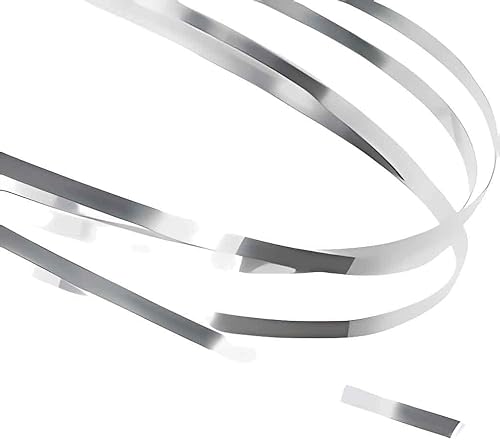
Check The Stone Before Cutting The Seat
Cabochon stones are not always perfectly flat or symmetrical. Before preparing the seat, inspect the stone from several angles.
Look for uneven bases, angled girdles, off-center domes or polished curves underneath the stone.
Test Fit Before Removing Material
Place the stone inside the bezel before cutting or adjusting the seat. This gives you a clear reference for height, fit and movement.
The stone should sit naturally in the bezel without needing pressure to force it into position.
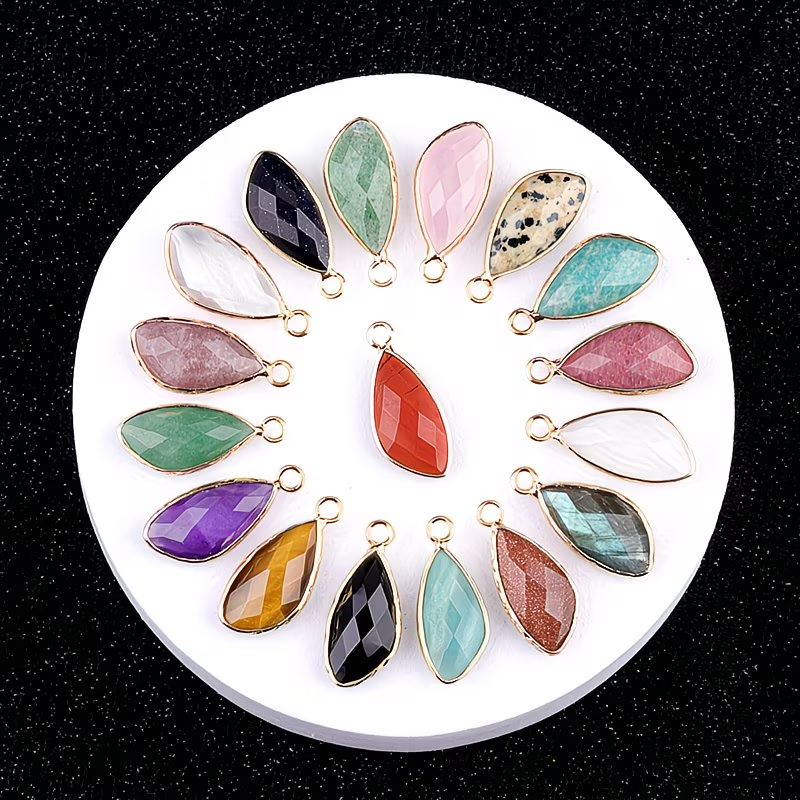
How Deep Should The Seat Be?
The seat should be deep enough to stabilize the stone, but not so deep that the bezel wall becomes excessive or visually heavy.
If the stone sits too low, the bezel may cover too much of the stone. If it sits too high, the stone may feel unstable during setting.
Seat Contact Should Be Even
The seat should contact the stone evenly around the perimeter. A few high points can make the stone pivot when burnishing pressure is applied.
- press lightly on opposite sides of the stone
- check whether the stone rocks
- look for visible gaps under the edge
- rotate the stone slightly and test again
- inspect the exposed height around the bezel
Testing A Bezel Seat
A few simple checks can reveal most seat problems before final setting.
| Test | What It Shows |
|---|---|
| Rock Test | Shows whether the stone is fully supported |
| Rotation Test | Shows whether the perimeter fit is too loose |
| Gap Check | Reveals unsupported areas under the stone edge |
| Height Check | Confirms even exposed stone height |
Why Seat Preparation Affects Burnishing
Burnishing pressure transfers through the bezel wall into the stone and seat underneath.
If the support is uneven, the bezel may wrinkle, the stone may tilt or one side may tighten while another side remains loose.
Fine Silver And Sterling Silver Seats
Fine silver bezel strip is usually more forgiving because it moves more easily under pressure.
Sterling silver is harder and springier, so poor seat geometry often becomes visible faster during setting.
Regardless of material, the stone should be stable before the bezel edge is pushed over.
Related Bezel Guides
Final Thoughts
A clean bezel setting begins underneath the stone. When the seat is even, stable and properly fitted, the final burnishing stage becomes much easier to control.
Good seat preparation reduces movement, wrinkles and uneven pressure. It also creates a stronger setting that looks cleaner and feels more professional.