Why Bezel Height Matters
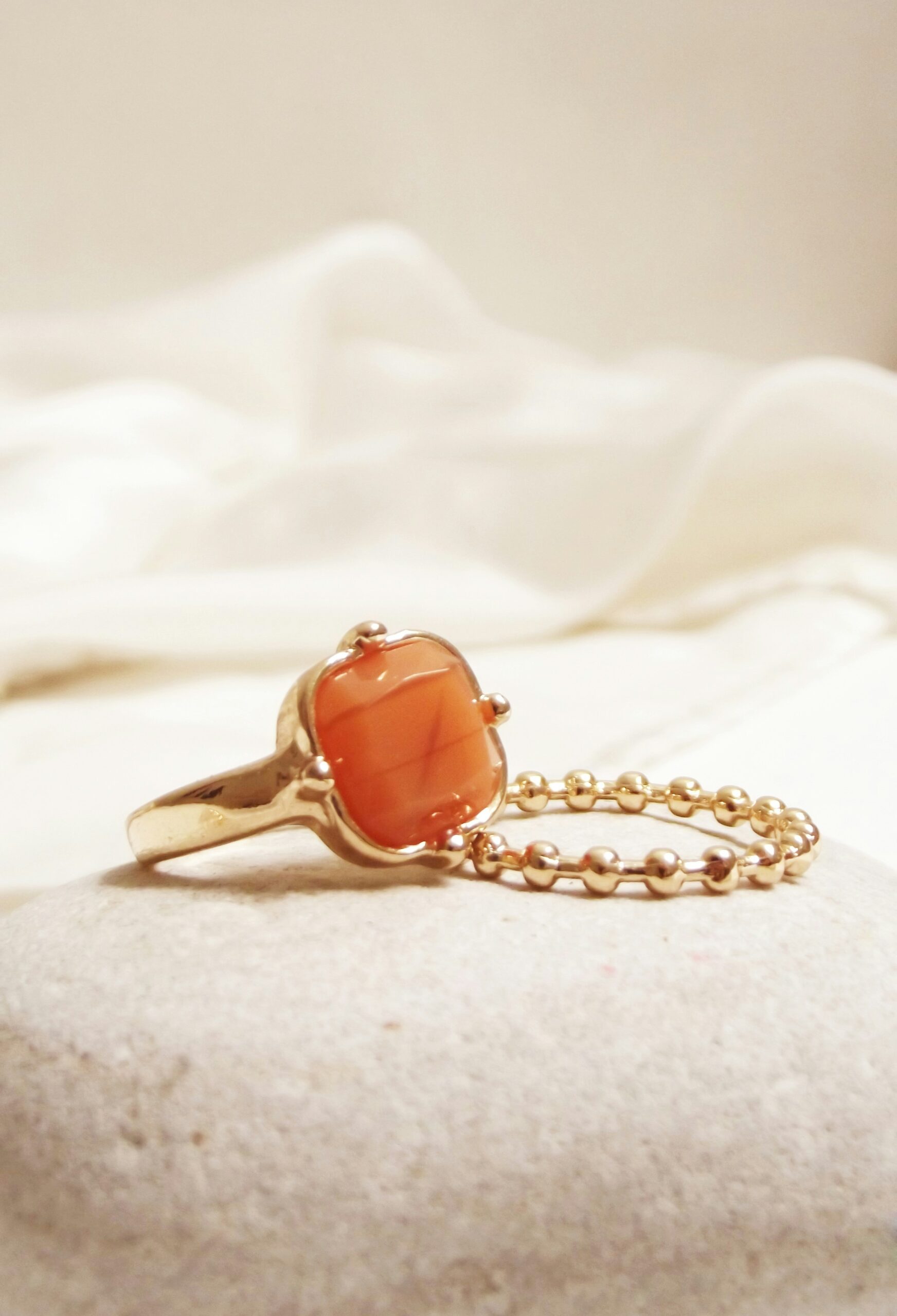
Bezel height affects both the appearance and security of a stone setting. A bezel that is too low may not hold the stone securely, while a bezel that is too high can look bulky and difficult to finish cleanly.
Proper bezel height allows enough metal to burnish over the stone without covering too much of the cabochon.
The Basic Rule For Bezel Height
A bezel should usually sit slightly above the stone edge before burnishing. This extra metal allows the bezel wall to fold securely over the cabochon.
Many jewelers leave approximately 0.5–1 mm of metal above the stone edge, depending on the stone shape and bezel thickness.
How Much Of The Stone Should The Bezel Cover?
Most bezel settings only cover a small portion of the stone edge. The goal is to secure the stone while still showing as much of the cabochon as possible.
Excessively tall bezels can make stones appear smaller and visually heavier.
| Bezel Height | Result | Typical Problem |
|---|---|---|
| Too Low | Weak stone retention | Stone may loosen |
| Ideal Height | Balanced appearance and security | Clean burnishing possible |
| Too High | Bulky appearance | Difficult finishing and polishing |
Why Cabochon Shape Changes The Ideal Height
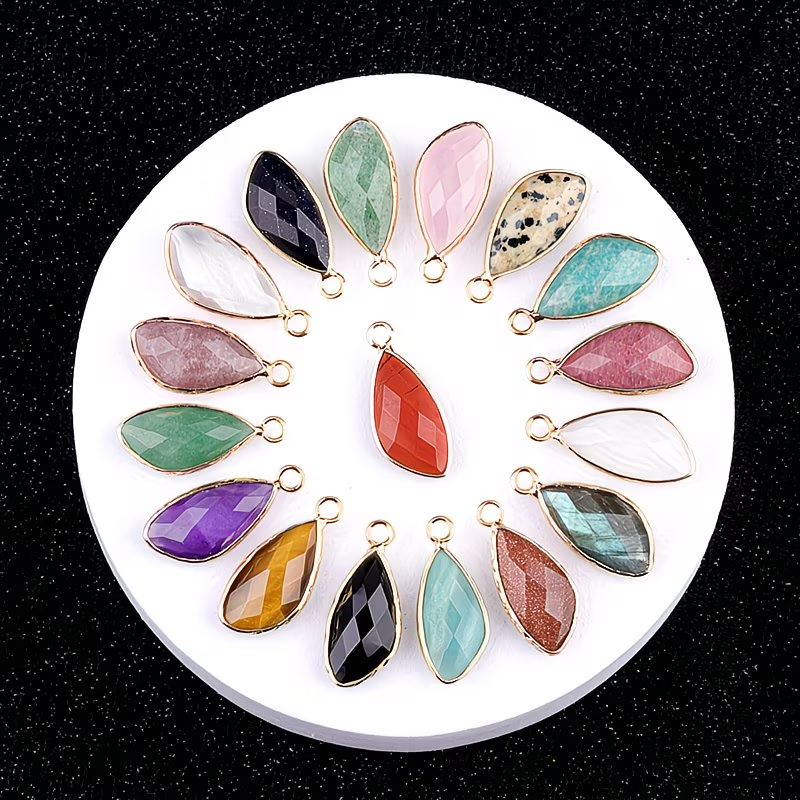
Different cabochon shapes require slightly different bezel proportions. Tall domed stones usually need more burnishing allowance than flatter stones.
Stone curvature affects how easily the bezel wall folds over the edge.
- High domes often require slightly taller bezels.
- Flat stones may need less bezel coverage.
- Sharp girdles require careful burnishing.
- Soft stones benefit from controlled pressure.

How Bezel Wire Height Is Chosen
Jewelers often begin with bezel wire slightly taller than the stone itself. The bezel is then trimmed, filed and refined before final setting.
Starting slightly taller gives more flexibility during fitting and finishing.
Filing Bezel Walls Before Setting
Many bezel walls are refined before the stone is finally set. Filing helps create even wall height and smoother burnishing results.
Uneven bezel walls become very noticeable after polishing.
Burnishing The Bezel Over The Stone
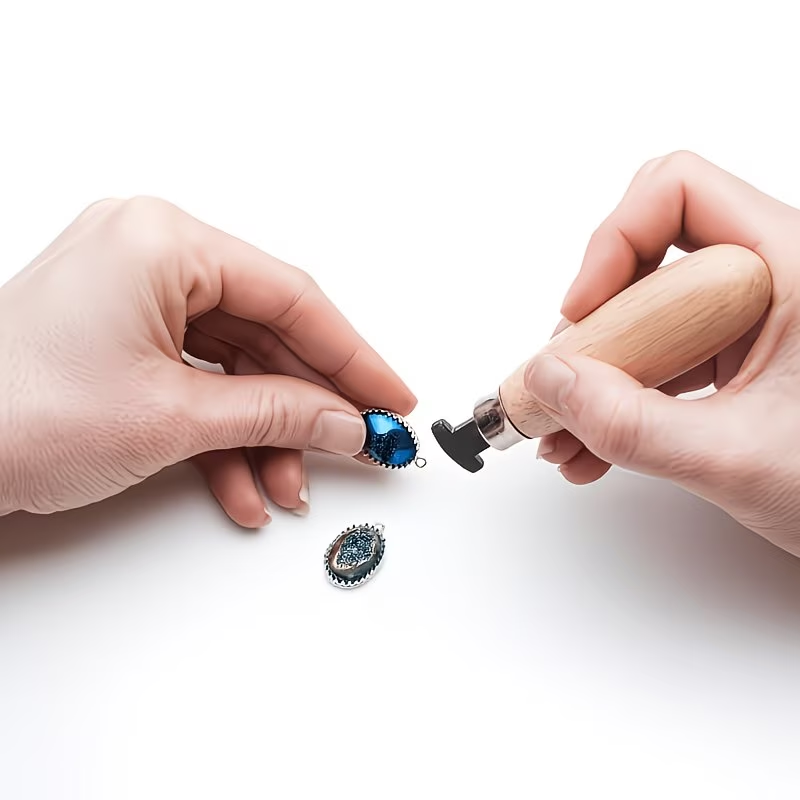
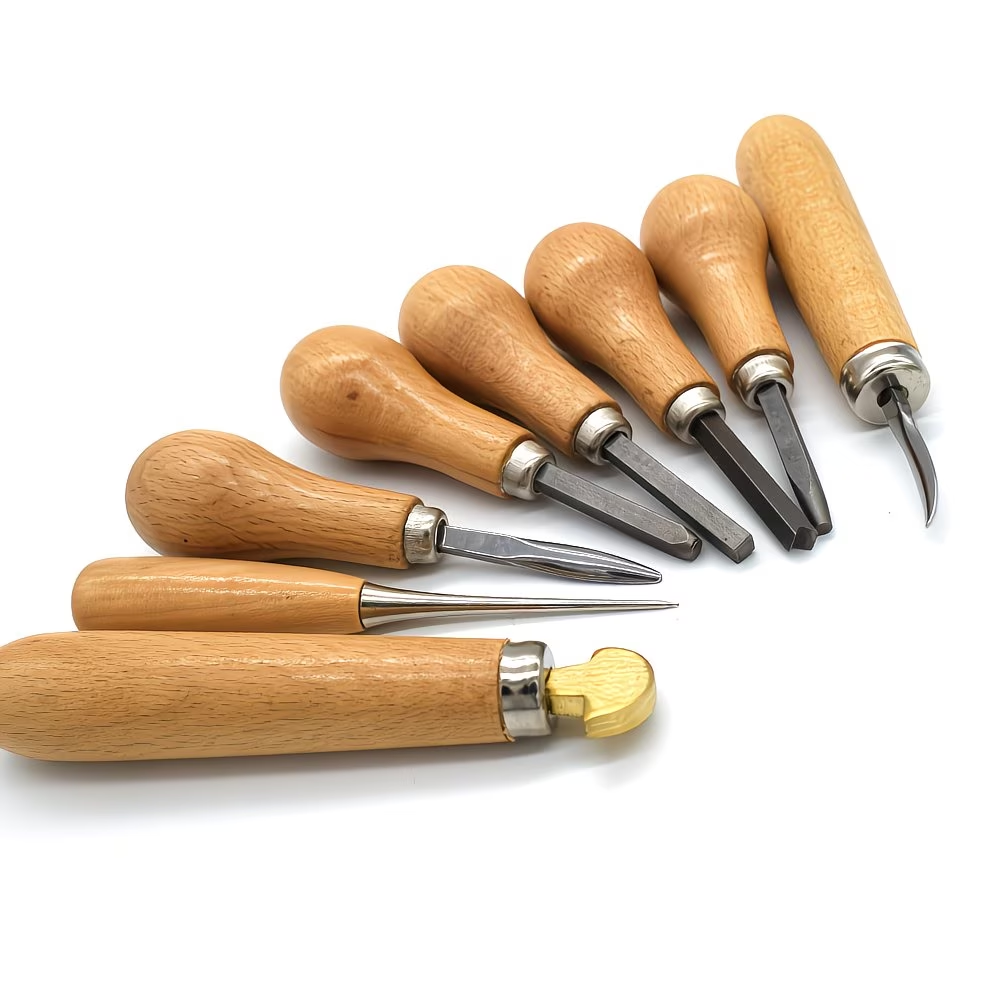
Burnishing pushes the bezel wall gently over the edge of the stone. Proper bezel height makes this process easier and cleaner.
If the bezel wall is too tall, the metal may wrinkle or fold unevenly during setting.
Common Bezel Height Mistakes
- Bezel too low: insufficient metal for secure burnishing.
- Bezel too high: bulky appearance and difficult polishing.
- Uneven bezel wall: inconsistent stone coverage.
- Over-filing: weakens stone retention.
- Poor stone fit: creates unstable seating inside the bezel.
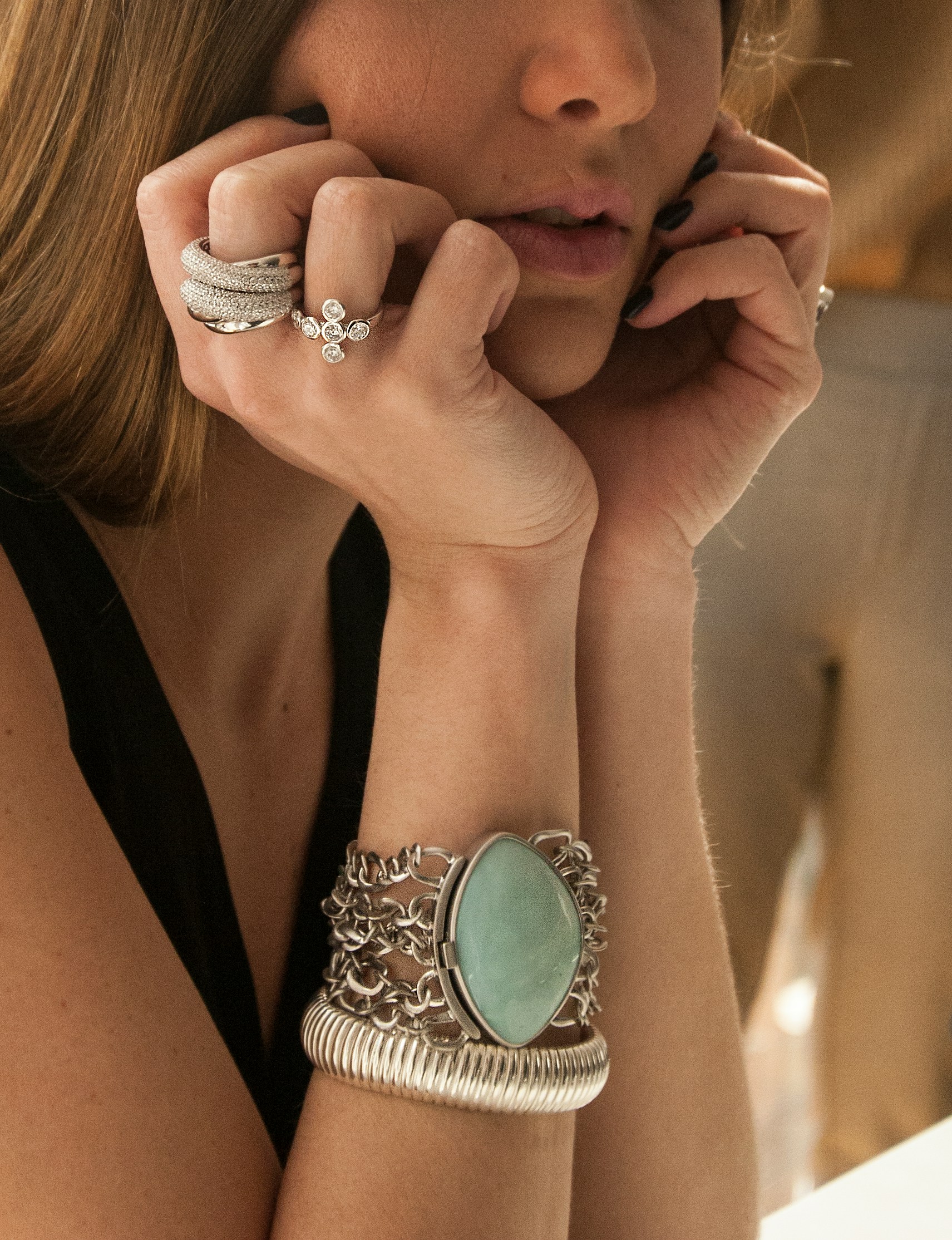
How Bezel Thickness Affects Height
Thick bezel walls usually appear visually heavier and may require slightly different proportions. Thin bezels can look elegant but may provide less structural strength.
The balance between bezel height and bezel thickness strongly affects the final appearance.
Checking Bezel Height Before Setting
Many jewelers test-fit the stone repeatedly during bezel fabrication. This helps confirm the wall height before final burnishing begins.
Careful fitting reduces the risk of damaging the stone during setting.
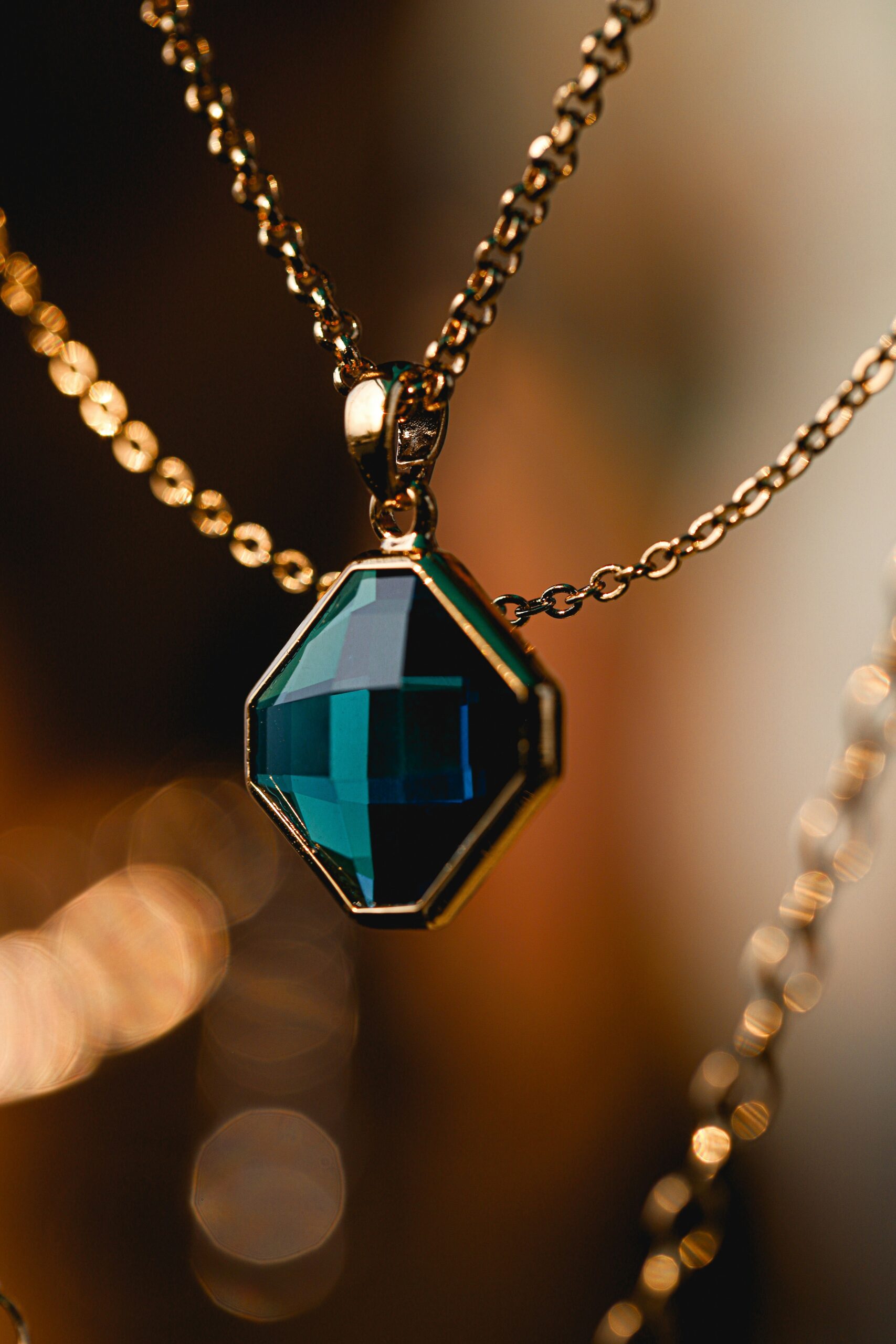
Why Proper Bezel Height Improves Jewelry Quality
Correct bezel height improves both visual refinement and stone security. Balanced bezel proportions help jewelry feel cleaner, lighter and more professional.
Well-fitted bezels also simplify filing, sanding and polishing during finishing stages.