Why Jewelry Files Matter
Files are some of the most important hand tools in jewelry fabrication. They are used for shaping metal, refining edges, removing solder, adjusting symmetry and preparing surfaces for sanding and polishing.
Even with modern rotary tools, hand files remain essential in professional jewelry workshops.
Main Types Of Jewelry Files
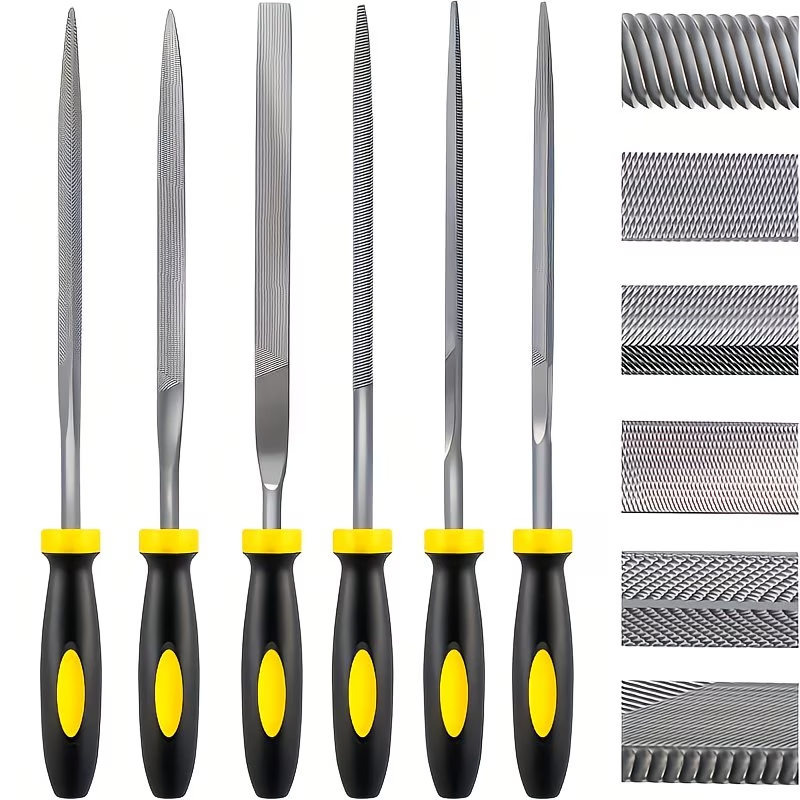
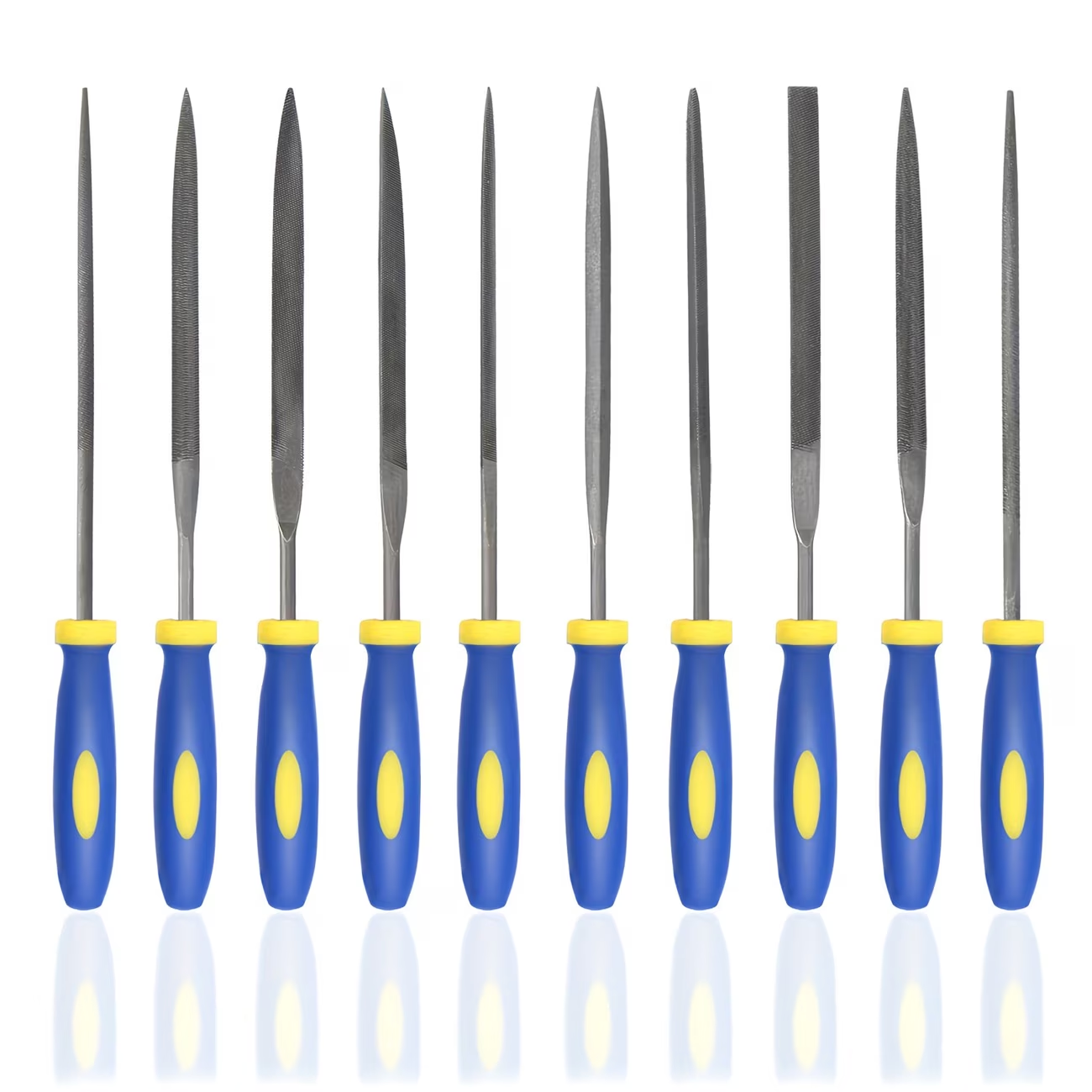
Different file shapes are designed for different surfaces and fabrication tasks. Most jewelers use several file types during a single project.
| File Type | Main Shape | Typical Use |
|---|---|---|
| Flat File | Flat surfaces | Edges, ring bands, straight surfaces |
| Half-Round File | Flat + curved | Inside curves and general shaping |
| Round File | Cylindrical | Holes, curves and rounded interiors |
| Needle Files | Small precision files | Fine detail work |
| Barrette File | Single cutting side | Controlled precision filing |
Flat Files
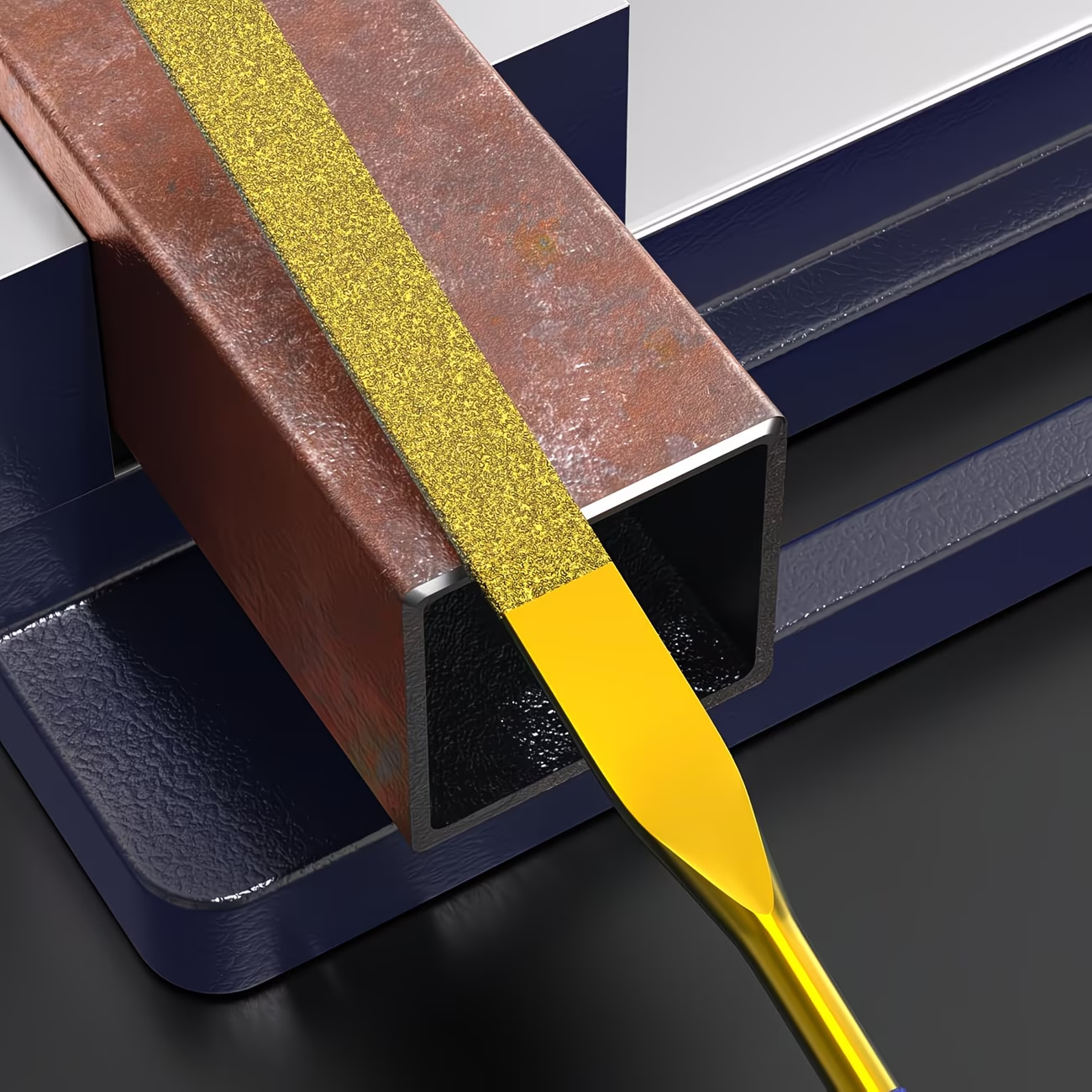
Flat files are commonly used for straight surfaces, ring edges and seam cleanup. They create controlled flat surfaces and are especially useful during ring fabrication.
Many jewelers use flat files when refining ring widths, filing solder seams or flattening metal edges before sanding.
- Good for straight edges.
- Useful for ring shanks and flat surfaces.
- Creates clean architectural lines.
- Often used before sanding stages.
Half-Round Files
Half-round files combine a flat side with a curved side. This makes them extremely versatile in jewelry fabrication.
The curved side helps shape rounded interiors and organic forms, while the flat side handles straight surfaces.
Needle Files
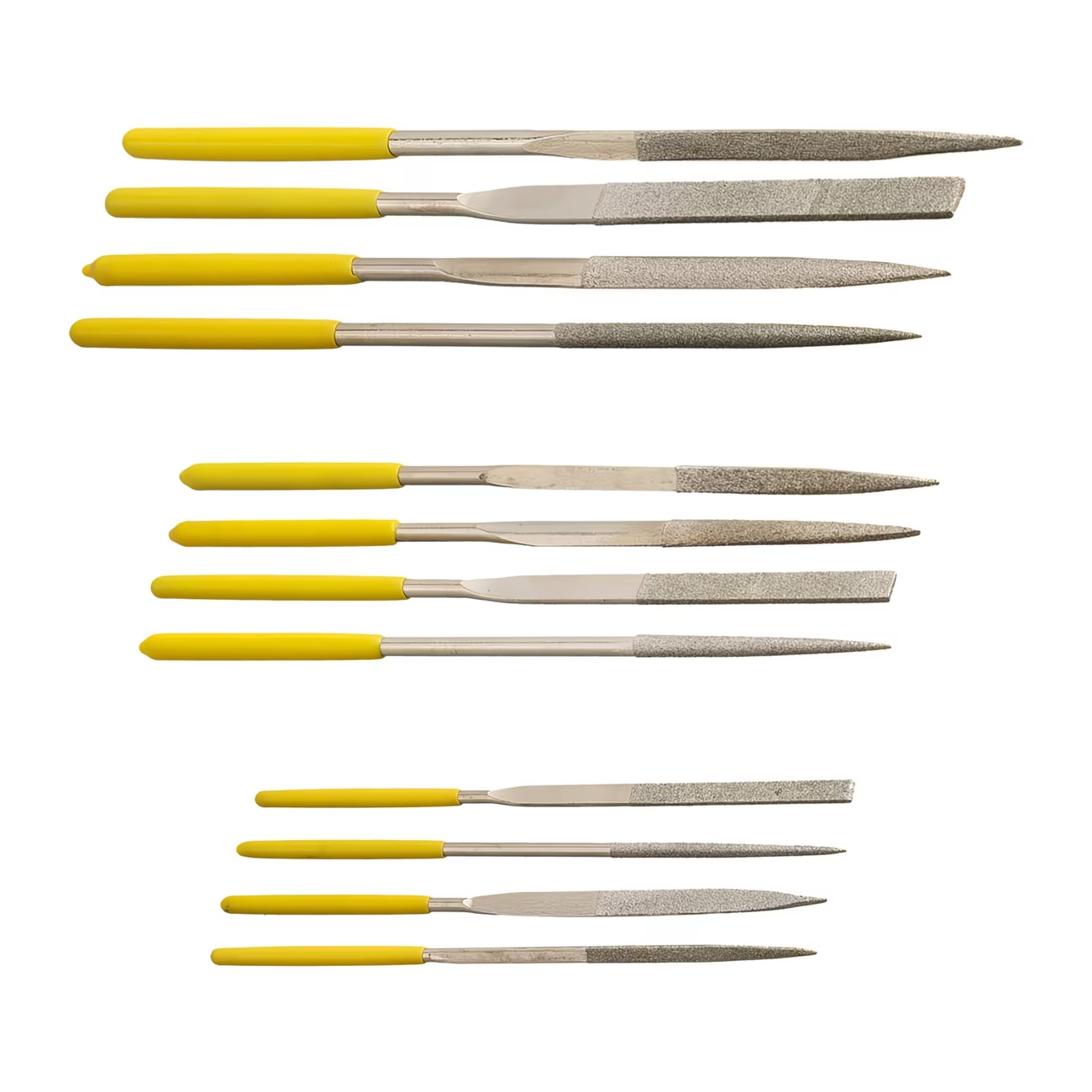
Needle files are small precision files used for detailed jewelry work. They are commonly used for bezels, prongs, fine shaping and cleanup around tight areas.
Many jewelers use needle files during stone setting and delicate fabrication stages.
File Cuts And Coarseness
Jewelry files also vary by cut and tooth coarseness. Coarser files remove metal faster, while finer files create smoother surfaces.
Choosing the correct file cut helps reduce unnecessary sanding later.
| File Cut | Metal Removal | Surface Finish |
|---|---|---|
| Coarse | Fast | Rougher surface |
| Medium | Moderate | General workshop use |
| Fine | Slower | Smoother refinement |
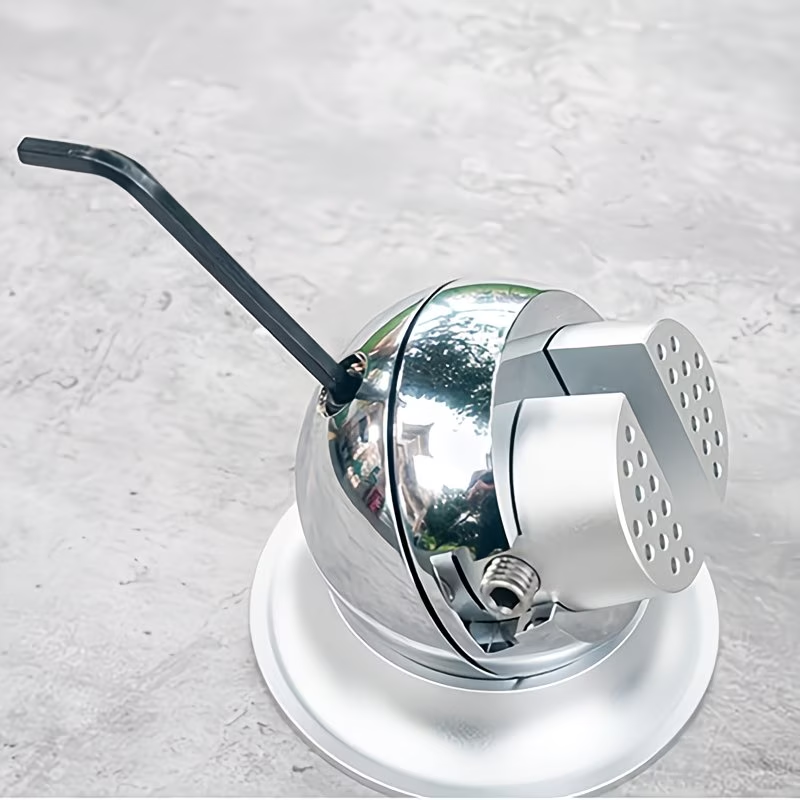
Holding Metal Securely While Filing
Stable workholding improves both filing accuracy and safety. Many jewelers use hand vises, ring clamps or bench pins during filing operations.
Secure positioning helps maintain straight lines and reduces slipping during shaping work.
Correct Filing Technique
Jewelry files cut most effectively during the forward stroke. Controlled filing produces cleaner surfaces and reduces deep scratches.
- Use long controlled strokes.
- Lift slightly during the return stroke.
- Keep the file level when creating flat surfaces.
- Rotate rings frequently during filing.
- Work slowly near finished edges.
Cleaning Jewelry Files
Metal particles can become trapped between file teeth during use. Dirty files cut less effectively and may scratch finished surfaces.
Many jewelers clean files regularly using file brushes or brass cleaning tools.
- Clean files frequently during use.
- Store files separately to protect the teeth.
- Avoid dropping files onto hard surfaces.
- Use dedicated files for softer metals when possible.
Filing Before Sanding
Filing shapes the metal, while sanding refines the surface afterward. Good filing technique reduces sanding time significantly.
Deep file marks left behind by aggressive filing require more abrasive cleanup later.
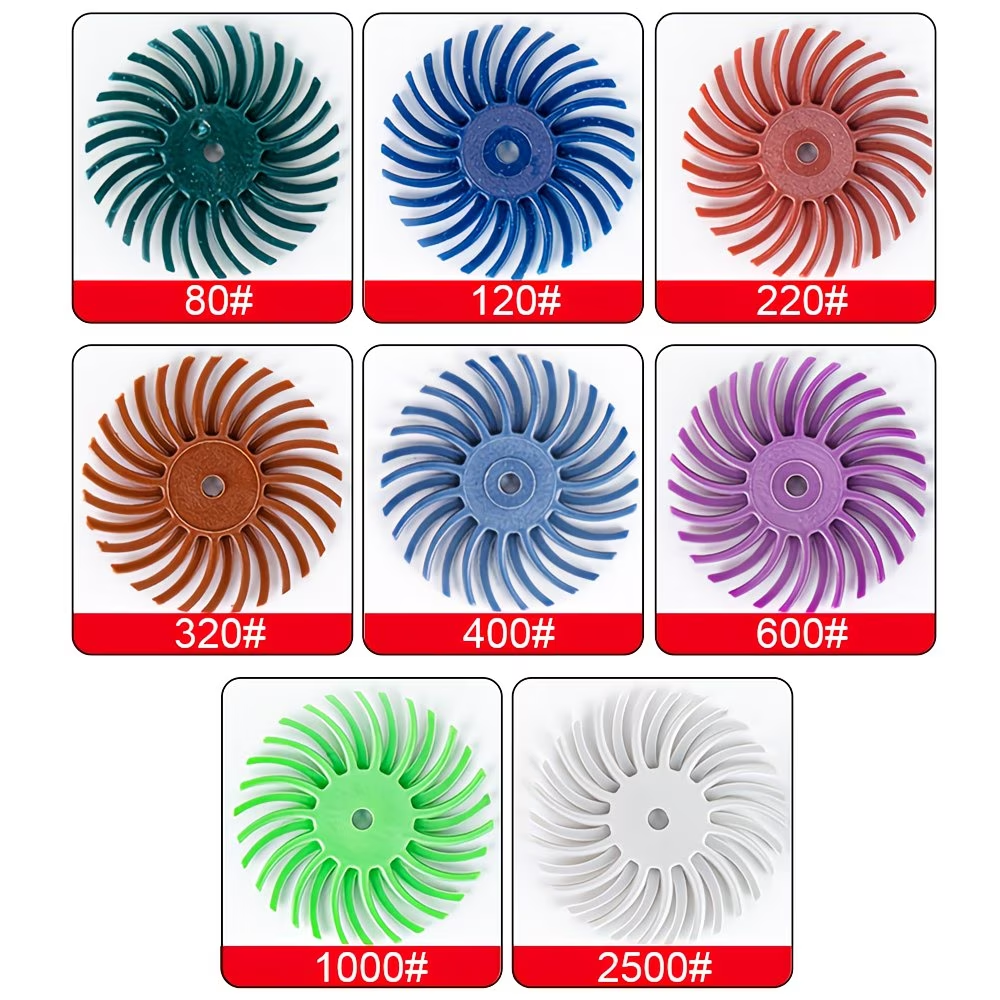
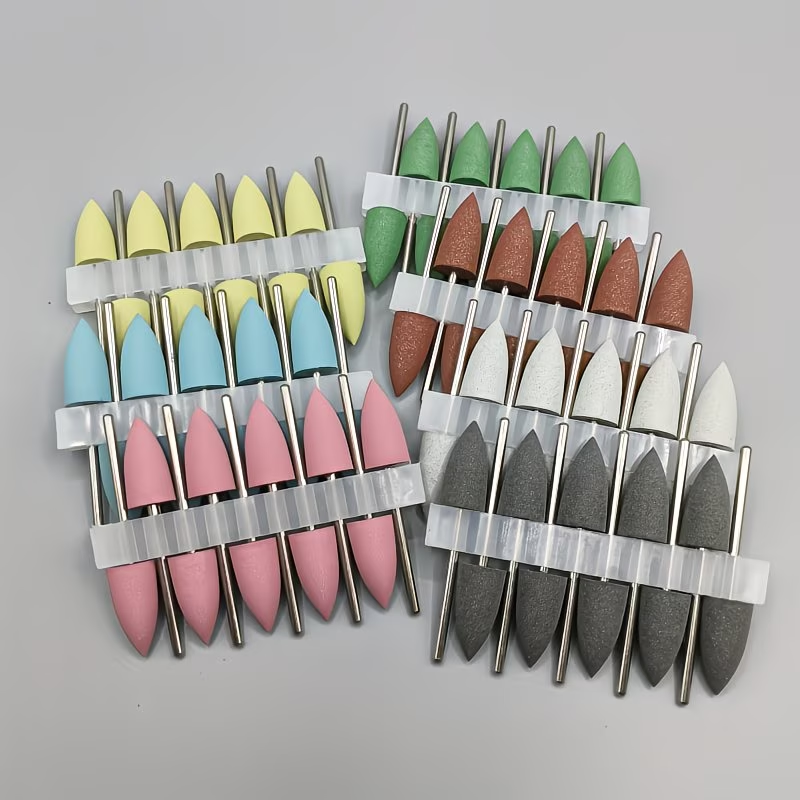
Bristle Discs And Rotary Finishing
Rotary abrasives such as bristle discs are often used after filing and sanding. These tools help smooth surfaces and reach small details during jewelry finishing.
Many jewelers combine hand filing with rotary finishing techniques during fabrication.
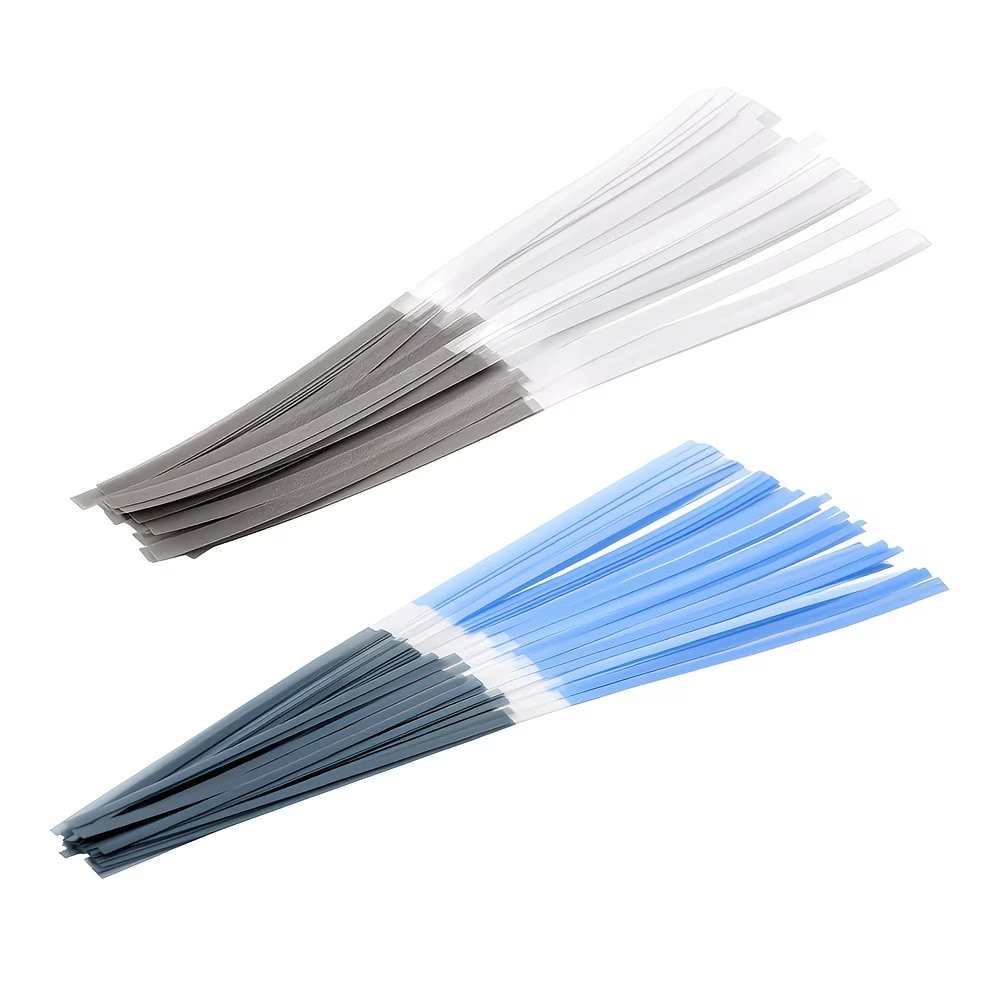
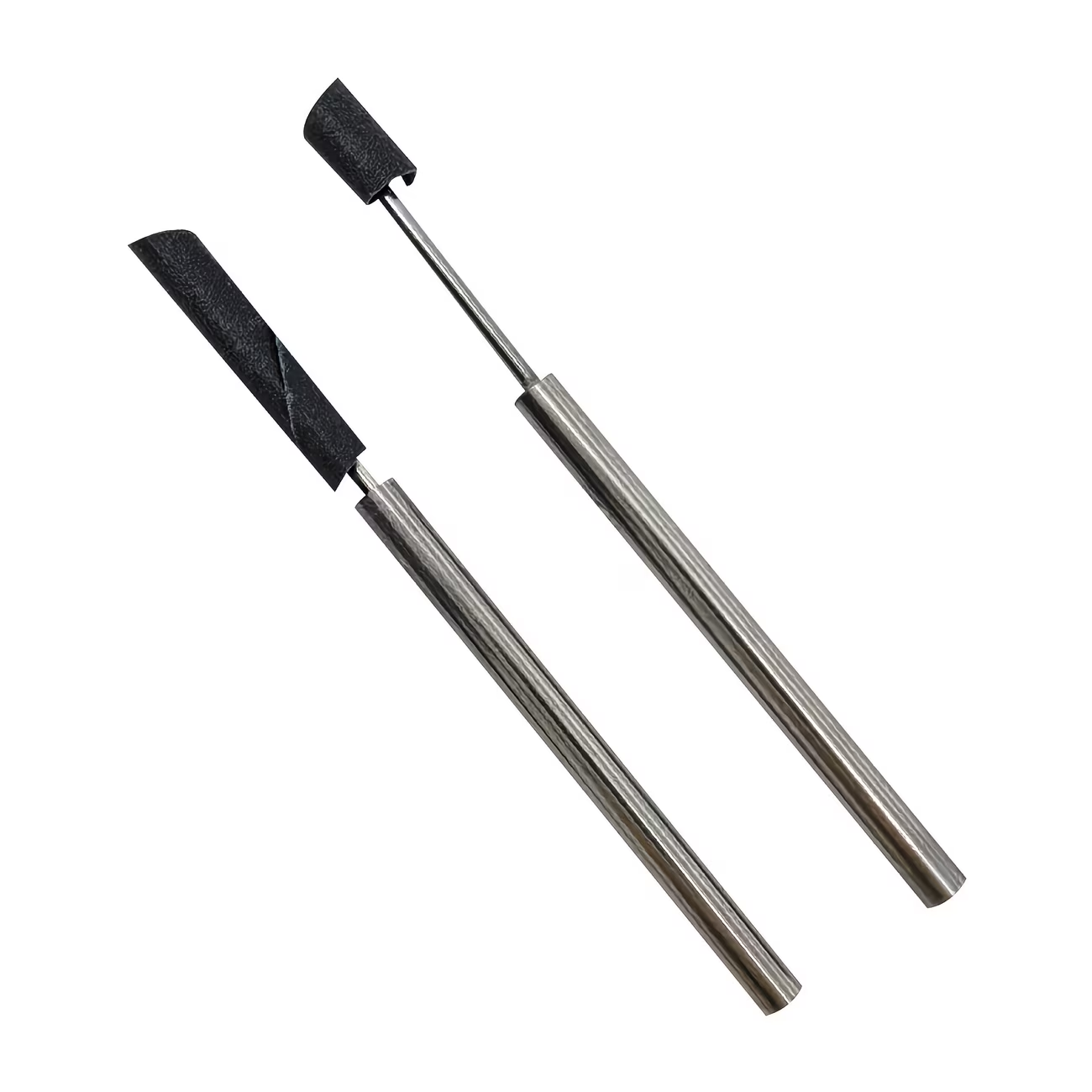
Polishing Strips And Fine Refinement
Polishing strips are useful for refining curved surfaces, ring interiors and difficult areas. They provide more control than large polishing wheels in tight spaces.
Fine abrasive strips are commonly used during final finishing stages before polishing compounds.
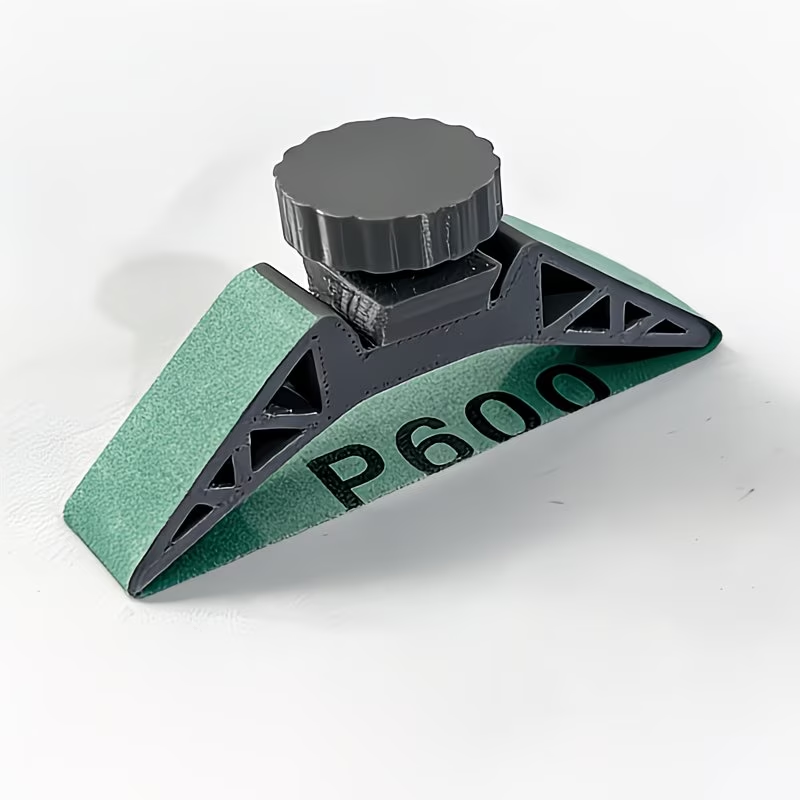
Curved Polishing Tools
Curved polishing tools help refine ring interiors, bezels and rounded jewelry surfaces. They are especially useful for maintaining smooth transitions and comfortable edges.
Controlled finishing improves both appearance and wear comfort in handmade jewelry.
Common Filing Mistakes
- Using excessive pressure: creates uneven surfaces and deep scratches.
- Using the wrong file shape: reduces control and accuracy.
- Skipping sanding: leaves visible file marks.
- Dirty files: may scratch finished metal surfaces.
- Uneven filing: creates asymmetrical ring edges and surfaces.
Why Good Filing Improves Jewelry Quality
Filing is one of the foundation skills of jewelry fabrication. Accurate filing improves symmetry, edge quality, solder cleanup and final finishing results.
Clean file work often separates rough beginner fabrication from refined professional jewelry.