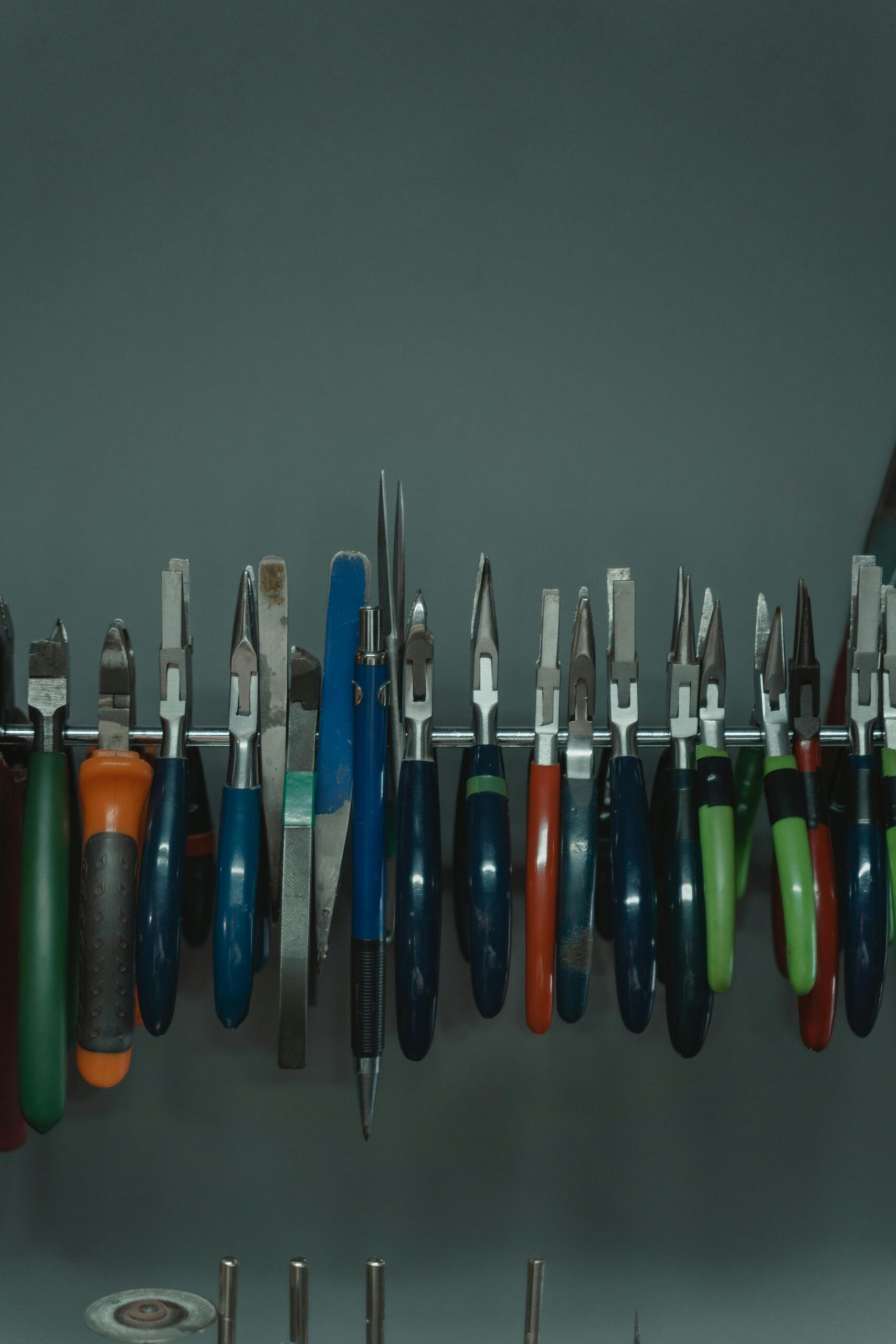
Why Uneven Polishing Happens
Polishing does not create perfect surfaces by itself. It mainly refines the geometry and texture already present in the metal.
Poor surface preparation often causes:
- cloudy reflections
- patchy shine
- wavy surfaces
- visible sanding lines
- distorted reflections
Surface Preparation Matters Most
Uneven polishing usually begins much earlier during filing and sanding.
Before polishing starts, inspect:
- surface flatness
- edge consistency
- remaining scratches
- abrasive transitions
- reflection smoothness

Skipping Abrasive Stages Creates Problems
Jumping directly from coarse sanding to polishing compounds often leaves deep scratches hidden beneath the reflective surface.
Professional finishing usually follows gradual abrasive refinement.
| Stage | Purpose |
|---|---|
| Coarse Refinement | Remove filing marks |
| Medium Sanding | Refine surface texture |
| Fine Sanding | Prepare for polish |
| Pre-Polish | Reduce micro scratches |
| Final Polish | Create reflective finish |
Too Much Pressure Distorts Reflections
Aggressive polishing pressure can create uneven surfaces very quickly.
Excessive pressure often causes:
- rounded edges
- surface waves
- softened details
- heat buildup
- patchy reflections
Directional Lighting Reveals Problems Fast
Jewelry reflections change dramatically under directional bench lighting.
Rotate the piece constantly while inspecting:
- surface consistency
- reflection smoothness
- remaining scratches
- high spots
- uneven shine
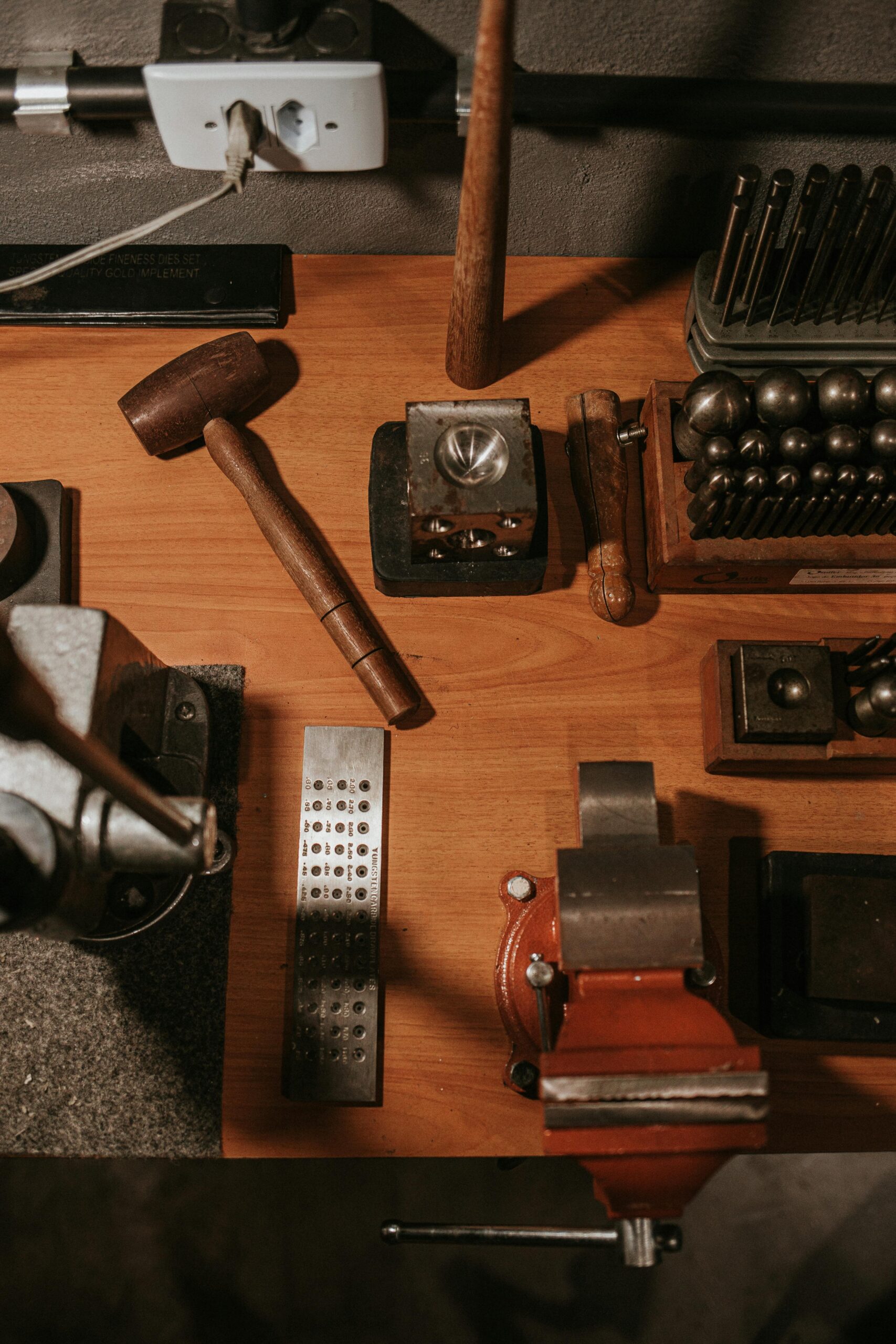
Polishing Near Stones Requires Extra Control
Bezels and stone settings are especially sensitive to uneven polishing.
Aggressive polishing near stones may:
- soften bezel edges
- scratch soft stones
- distort reflections
- round sharp geometry
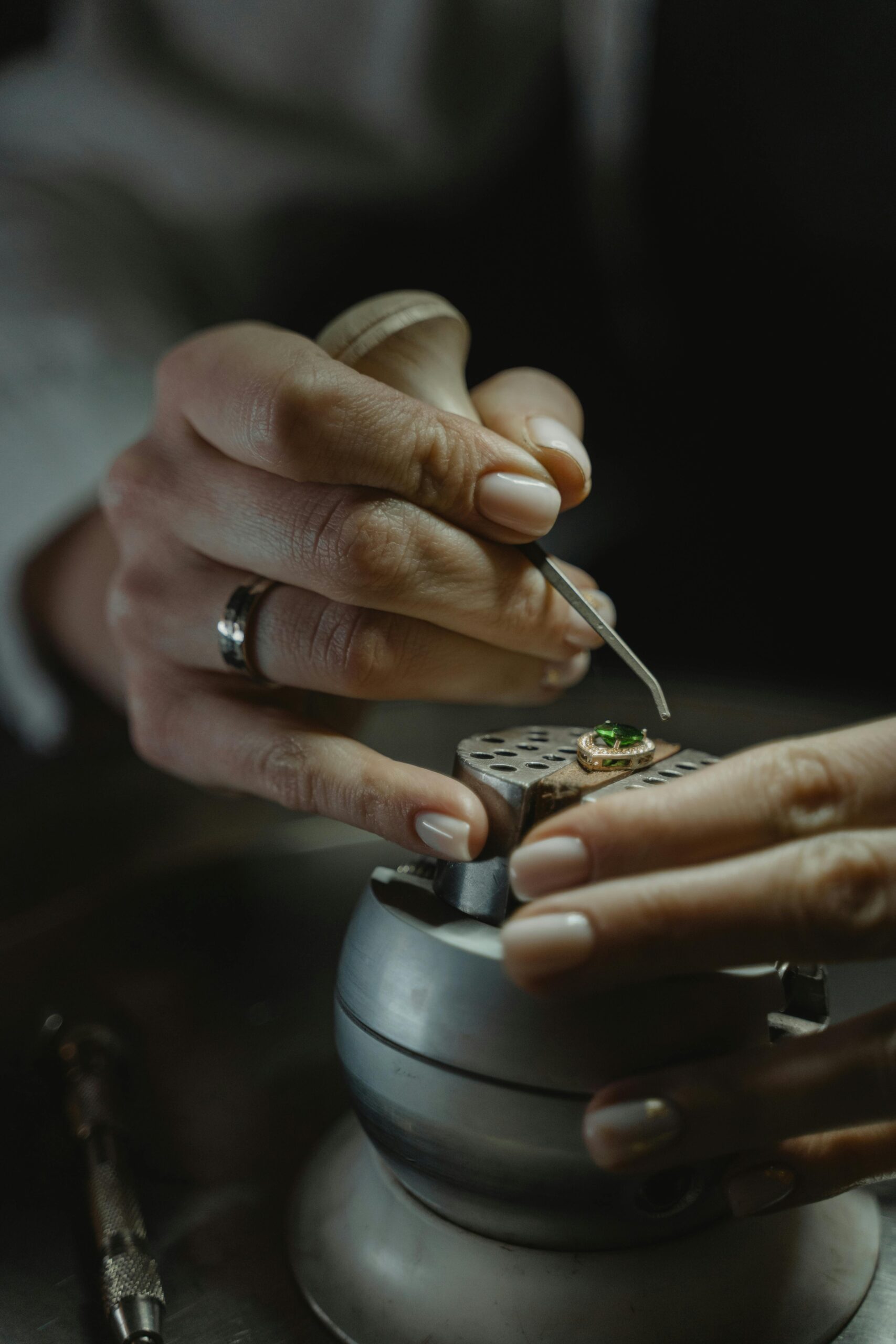
Different Surfaces Polish Differently
Flat surfaces, curved surfaces and textured areas reflect light differently.
Wide reflective areas usually reveal polishing inconsistency much faster than heavily textured surfaces.
Quick Diagnosis Table
| Problem | Likely Cause |
|---|---|
| Cloudy reflections | Incomplete abrasive refinement |
| Patchy shine | Uneven polishing pressure |
| Visible scratches after polishing | Skipped sanding stages |
| Rounded edges | Over-polishing |
| Wavy reflections | Uneven surface geometry |
How Professionals Create Consistent Polishing
Professional finishing usually focuses on geometry control long before final polishing begins.
- gradual abrasive progression
- light controlled polishing pressure
- constant reflection inspection
- careful edge preservation
- minimal unnecessary material removal
Related Jewelry Finishing Guides
Final Thoughts
Even polishing depends mostly on surface preparation, reflection control and gradual abrasive refinement.
Clean geometry and balanced reflections usually create the most professional-looking silver jewelry finishes.