Why Metal Choice Matters
The bezel metal affects how the wall moves during setting, how much pressure is required and how clean the final burnished edge appears.
Many jewelers prefer fine silver for bezel settings because the metal compresses more smoothly around stones.
What Is Fine Silver?
Fine silver contains approximately 99.9% silver with very little alloy content.
Because it contains fewer hardening alloys, the metal remains softer, more malleable and easier to compress during bezel setting.
- very soft
- highly malleable
- compresses smoothly
- easy to burnish
- reduced springback
What Is Sterling Silver?
Sterling silver normally contains 92.5% silver combined with alloy metals such as copper.
The added alloys increase hardness and durability but also make the bezel wall stiffer during setting.
- harder than fine silver
- more springback
- requires more pressure
- less forgiving during burnishing
- more resistant to deformation
Why Fine Silver Is Popular For Bezels
Fine silver moves more predictably when pushed over a stone. This usually creates smoother walls and cleaner burnished edges.
Because the metal compresses easily, there is less risk of:
- wrinkled bezel walls
- surface cracking
- springback after setting
- uneven pressure
- tool chatter marks
Why Sterling Silver Can Be Difficult
Sterling silver resists movement more strongly during burnishing. This can create setting problems if the bezel geometry is not correct.
Common sterling silver issues include:
- walls springing back outward
- uneven compression
- wrinkling during setting
- increased tool pressure
- stone movement during burnishing
Springback And Metal Memory
One major difference between the two metals is springback.
Sterling silver tends to push back slightly after pressure is removed. Fine silver usually stays where it is compressed.
This is one reason why many professional setters prefer fine silver for bezels even when the rest of the jewelry piece is sterling silver.
Durability Differences
Sterling silver is mechanically stronger than fine silver, but that does not automatically mean it creates better bezel settings.
Most bezel walls are protected by their shape and compression around the stone rather than raw hardness alone.
Fine silver bezels are widely used in professional jewelry work and generally hold stones securely when fabricated correctly.
Mixing Fine Silver And Sterling Silver
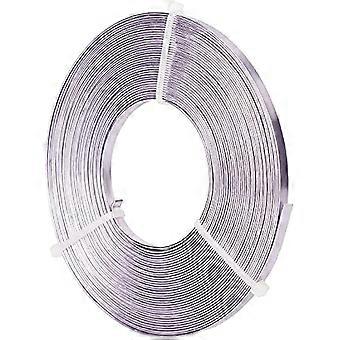
Many jewelers use fine silver bezel strip soldered onto sterling silver backplates or ring structures.
This combination gives:
- easy bezel setting
- strong structural support
- cleaner burnishing
- better control during setting
This is one of the most common professional bezel-setting combinations.
Which Metal Is Better For Beginners?
Fine silver is usually easier for beginners because the metal responds more smoothly to pressure and requires less force during burnishing.
Sterling silver tends to reveal mistakes faster, especially:
- uneven pressure
- poor seat preparation
- overly tall bezel walls
- rough tool movement
Quick Comparison Table
| Property | Fine Silver | Sterling Silver |
|---|---|---|
| Softness | Very soft | Harder |
| Burnishing | Smooth and easy | Requires more force |
| Springback | Low | Higher |
| Wrinkle Risk | Lower | Higher |
| Forgiveness | More forgiving | Less forgiving |
Related Bezel Guides
Final Thoughts
Fine silver and sterling silver both have useful roles in jewelry fabrication, but they behave very differently during bezel setting.
Fine silver usually creates smoother and more forgiving settings, while sterling silver offers additional hardness but requires more controlled pressure and cleaner geometry.