Why Bezel Wire Length Matters
Bezel wire length controls how accurately the bezel fits around the stone. If the strip is too short, the seam will not close cleanly. If it is too long, the bezel may overlap, distort or create a bulky solder joint.
A good bezel starts with a close fit before soldering. The wire should wrap around the cabochon with enough length for a clean seam, but not so much extra metal that the shape becomes difficult to control.
The Basic Rule For Bezel Wire Length
The amount of bezel wire you need is based on the perimeter of the stone. For a round stone, this is similar to measuring the circumference. For oval, freeform and irregular cabochons, the safest method is to wrap the stone directly.
Always allow a small amount of extra length for trimming and fitting the seam. It is easier to remove a little extra wire than to repair a bezel strip that was cut too short.
The Most Reliable Measuring Method
The most practical way to measure bezel wire is to wrap a thin paper strip, fine wire or flexible measuring strip around the stone. Mark where the strip meets, then transfer that length to the bezel wire.
This method works especially well for oval and irregular cabochons because it follows the real outline of the stone instead of relying only on width and length measurements.
- Wrap the stone with a thin paper strip or fine wire.
- Keep the strip snug but not stretched.
- Mark the overlap point carefully.
- Transfer the marked length to the bezel wire.
- Cut slightly long, then trim to final fit.
Why You Should Cut Slightly Long
Cutting the bezel wire slightly long gives you room to refine the seam. The ends can be squared, filed and adjusted until they meet cleanly.
Cutting exactly to the first measurement can be risky. If the ends are uneven or the stone measurement was slightly off, the bezel may end up too tight before the seam is ready to solder.
How Much Extra Bezel Wire Should You Add?
For most small and medium cabochons, only a small trimming allowance is needed. The extra length is not meant to become part of the finished bezel. It is only there so the seam can be fitted accurately.
Larger stones or irregular shapes may need slightly more allowance because the final seam position can change during fitting.
| Stone Type | Measuring Method | Practical Allowance |
|---|---|---|
| Round cabochon | Diameter or direct wrap | Small trimming allowance |
| Oval cabochon | Direct wrap recommended | Slightly more fitting allowance |
| Freeform stone | Direct wrap required | Extra trimming control |
Using A Formula For Round Stones
For a round cabochon, you can estimate bezel wire length from the stone diameter. Multiply the diameter by 3.14, then add a small trimming allowance for fitting the seam.
This is useful for quick planning, but direct wrapping is still a good final check before cutting expensive metal.
Using Calipers Before Cutting
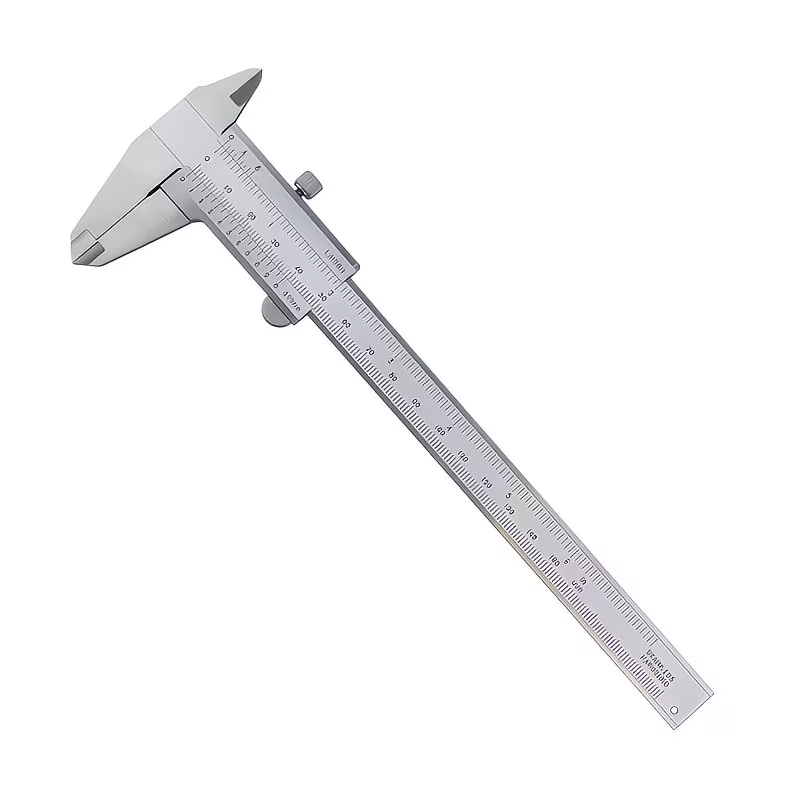
Calipers are useful for checking the stone width, length and height before making the bezel. They help you understand the scale of the stone and choose the correct bezel wire height and thickness.
For bezel wire length, calipers are most helpful on round stones. For oval and freeform stones, use calipers as a support measurement, then confirm the actual perimeter with a direct wrap.
Why Oval Stones Are Harder To Estimate
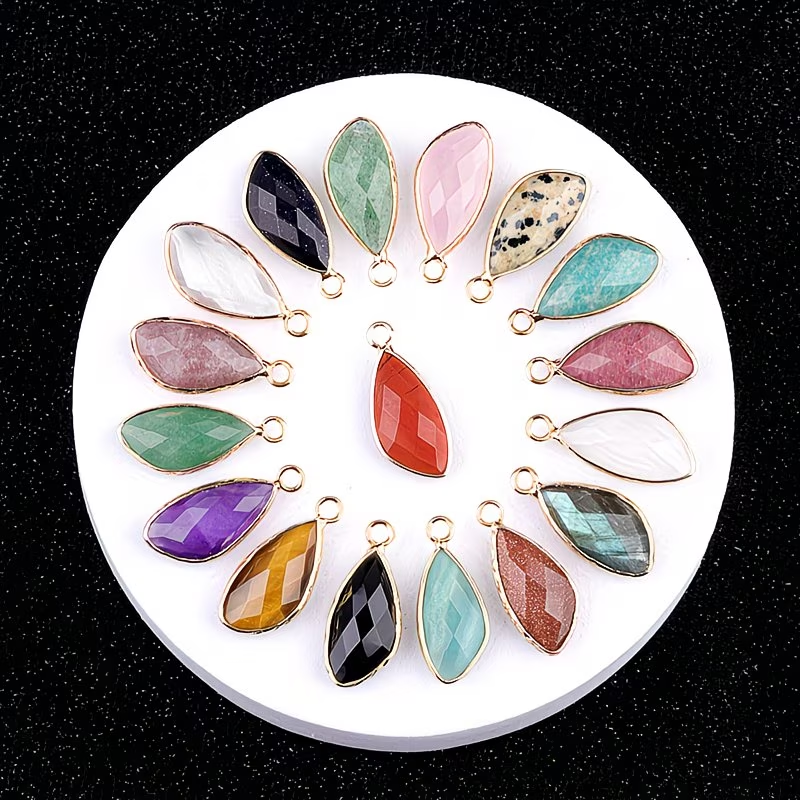
Oval cabochons are harder to estimate because their curve is not the same as a circle. Two stones with similar length and width can still have slightly different outlines.
This is why direct wrapping is usually better than relying only on a formula. The bezel needs to match the actual stone, not just the approximate measurements.
- Oval stones should be wrapped directly when possible.
- Freeform stones should not rely on simple formulas.
- Irregular edges need extra fitting control.
- The seam should be adjusted after test-fitting.
How Tight Should The Bezel Fit?
The bezel should fit closely around the stone without forcing the stone into place. A very loose bezel can create gaps and uneven burnishing. A bezel that is too tight may distort the stone position or make setting difficult.
The stone should sit securely inside the bezel during test fitting. If it rocks, shifts or leaves obvious gaps, the bezel length or shape may need correction.
Where Should The Bezel Seam Go?
The seam is usually placed in a less visible area of the design. On symmetrical stones, many jewelers place it at the back or at a point where it can be cleaned up easily.
The seam should close cleanly with both ends meeting squarely. A poor seam fit can lead to solder gaps, visible joins and uneven shaping.

Common Cutting Mistakes
- Cutting too short: the seam will not close without distorting the bezel.
- Cutting too long: the bezel may overlap or become difficult to shape accurately.
- Skipping test fitting: small measuring errors are not caught before soldering.
- Using only length and width: oval and freeform stones need perimeter checking.
- Not squaring the ends: uneven ends create weak or messy solder seams.
How Bezel Wire Thickness Changes The Fit
Thicker bezel wire may require slightly more careful fitting because it is less forgiving when shaped around tight curves. Thin bezel wire bends more easily but can distort if handled roughly.
The thicker the bezel wall, the more important it becomes to form the shape accurately before soldering. Heavy bezel wire should not be forced into shape after the seam is closed.
Check Bezel Height At The Same Time
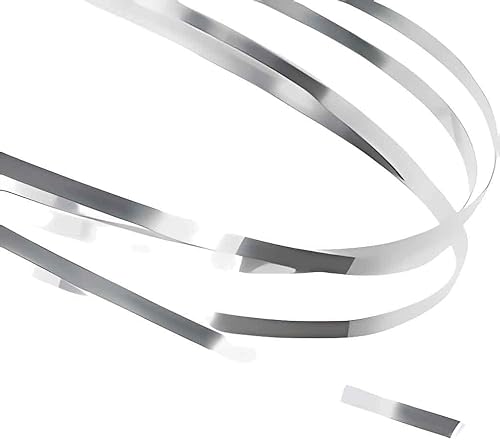
Bezel wire length is not the only measurement that matters. Bezel height controls how much metal will fold over the stone during setting.
A bezel can be the correct length but still fail if the wall is too tall, too low or uneven. Measure the stone height before choosing the bezel strip.
Soldering After Cutting The Bezel Wire
Once the bezel length is fitted, the seam should meet cleanly before soldering. The ends should touch without large gaps, twisting or heavy pressure.
If the seam needs to be forced shut, the bezel shape is usually not ready. File and adjust the ends until the join closes naturally.
A Practical Bezel Wire Workflow
A reliable workflow keeps the bezel accurate before heat is introduced. The more carefully the wire is measured and fitted, the less correction is needed after soldering.
- Measure the cabochon width, length and height.
- Wrap the stone to find the true perimeter.
- Transfer the length to the bezel wire.
- Cut slightly long for trimming.
- Shape the bezel around the stone.
- Trim and file the seam until it closes cleanly.
- Solder the seam only after the fit is correct.
How To Know The Length Is Correct
The length is correct when the bezel holds the stone outline without visible gaps, overlap or strain. The seam should meet cleanly and the stone should sit naturally inside the shape.
If the bezel springs open, overlaps or changes shape when the stone is inserted, continue adjusting before soldering.