What Is Fire Scale?
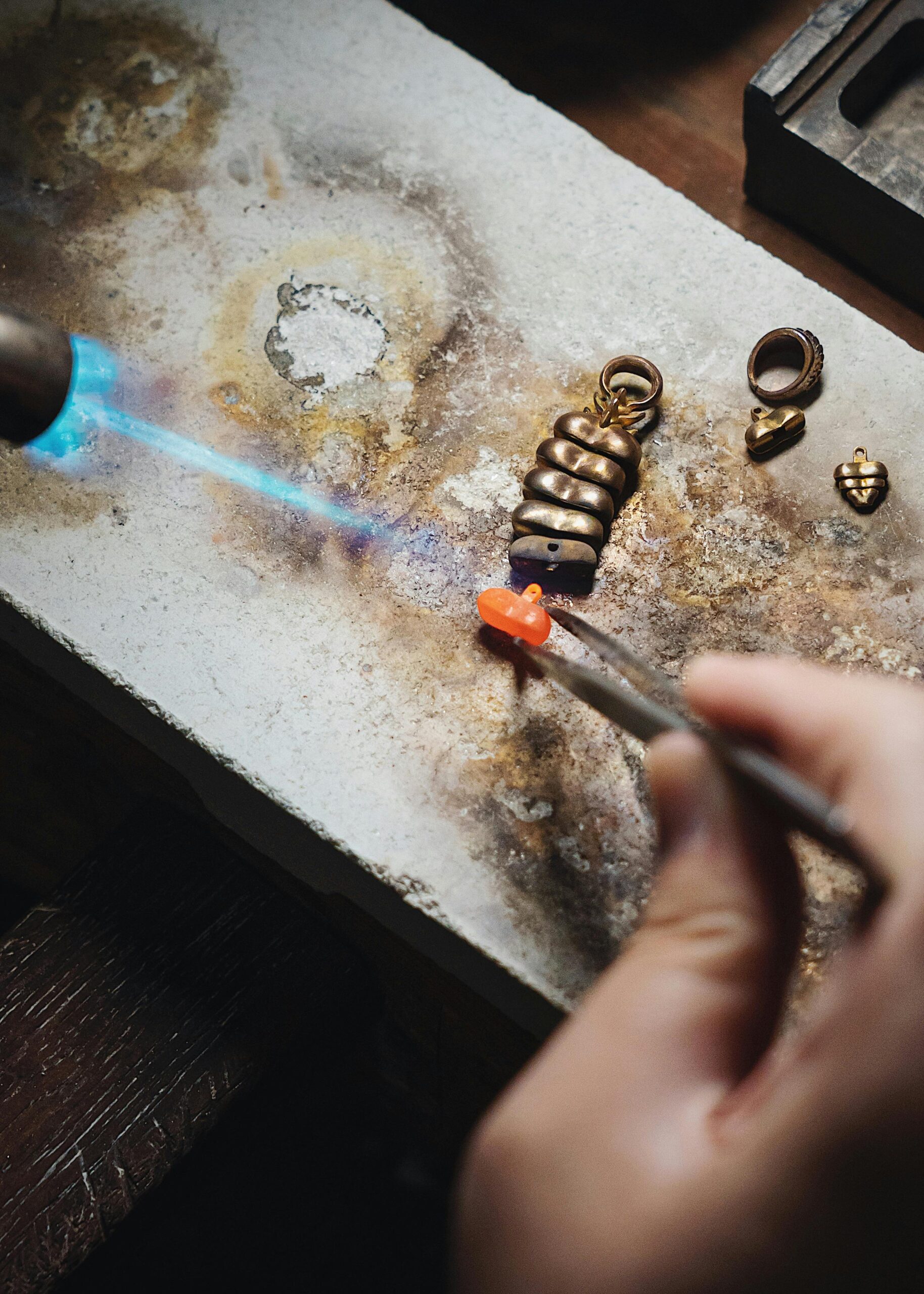
Fire scale is a dark subsurface oxidation layer that forms in sterling silver during heating and soldering.
Unlike simple surface tarnish, fire scale penetrates below the metal surface and often becomes visible after polishing.
Why Sterling Silver Develops Fire Scale
Sterling silver contains copper alloy content. During heating, oxygen reacts with the copper inside the metal and creates oxidation below the surface.
Fire scale becomes more likely when:
- heat exposure is excessive
- the flame is poorly adjusted
- oxygen exposure is prolonged
- flux coverage is incomplete
- the piece overheats repeatedly
Heat Control Is Critical
One of the biggest causes of fire scale is overheating the metal for longer than necessary.
Many beginners keep heating after solder flow has already occurred, which dramatically increases oxidation risk.
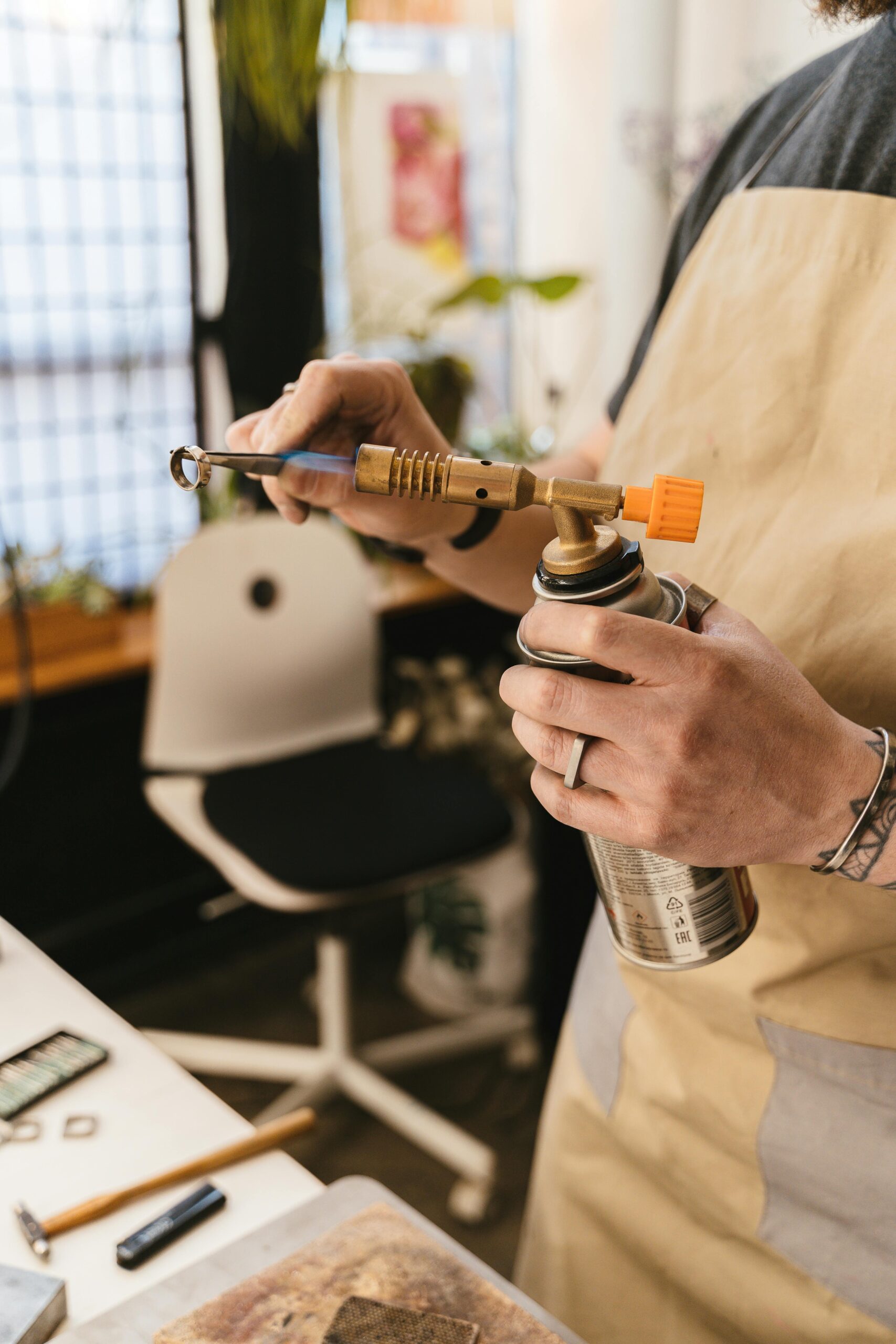
- heat evenly
- avoid overheating one area
- remove heat once solder flows
- watch metal color carefully
- use correct flame size
Flux Helps Protect The Surface
Flux reduces oxygen exposure during soldering and helps protect the silver surface.
However, incomplete flux coverage leaves areas vulnerable to oxidation.
Repeated Heating Increases Risk
Each reheating cycle increases the likelihood of deeper oxidation.
Jewelry pieces that are repeatedly soldered, resized or repaired often develop heavier fire scale internally.
- multiple solder operations
- repair heating
- resoldering seams
- extended torch exposure
Fine Silver Behaves Differently
Fine silver contains very little copper, which means it develops far less fire scale than sterling silver.
This is one reason many jewelers prefer fine silver bezel strip for stone setting work.
Fire Scale Often Appears After Polishing
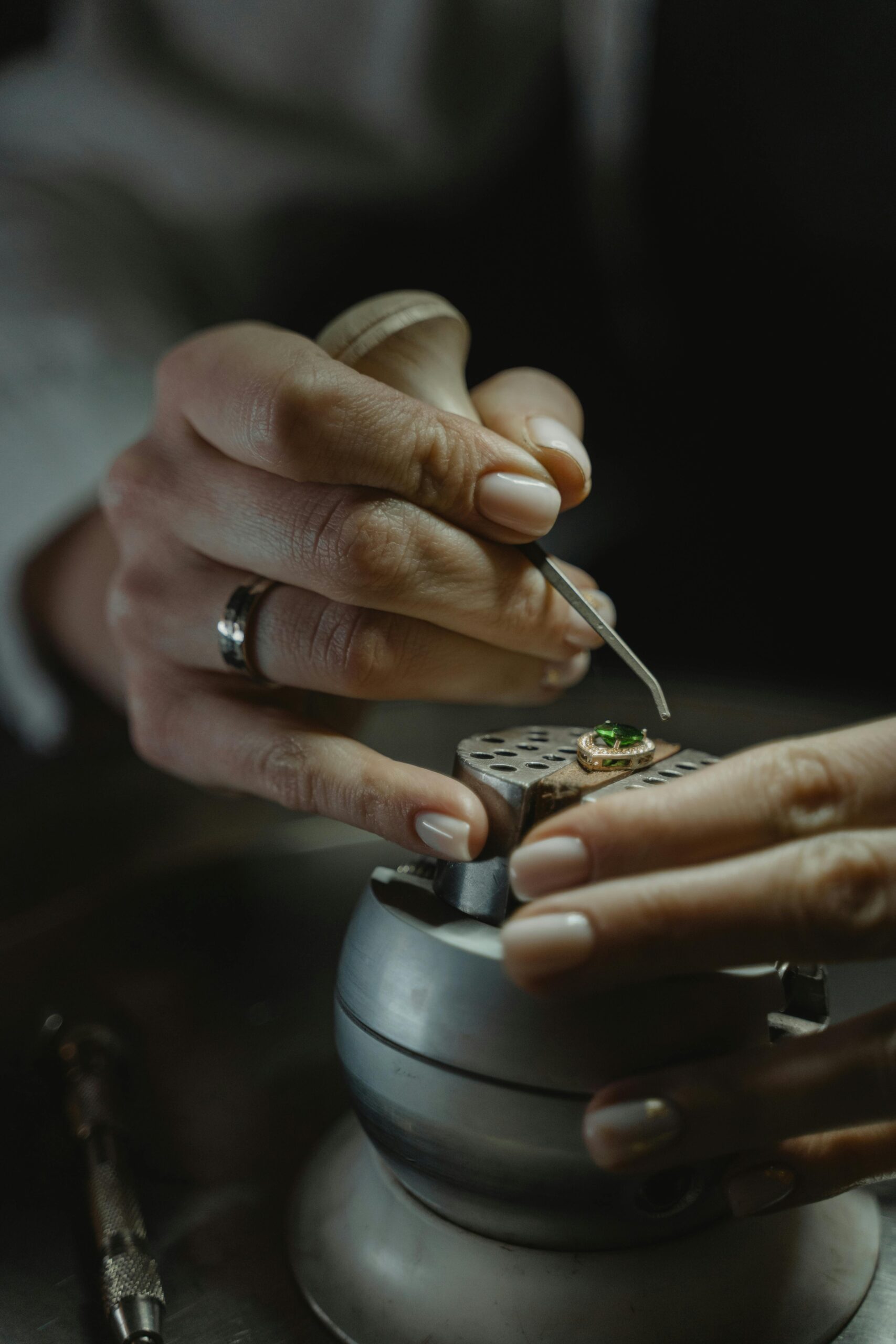
Many jewelers think the piece looks clean until polishing begins.
Once the surface becomes reflective, deep gray or purple fire scale can suddenly become visible beneath the polished metal.
Removing Fire Scale Requires Surface Removal
Because fire scale exists below the surface, removal usually requires sanding, filing or abrasive refinement.
Light polishing alone rarely removes deep oxidation completely.
- abrasive sanding
- surface refinement
- careful filing
- progressive finishing
- controlled polishing
Quick Diagnosis Table
| Problem | Likely Cause |
|---|---|
| Gray or purple shadow under polish | Subsurface fire scale |
| Heavy oxidation after soldering | Excessive heat exposure |
| Localized dark areas | Uneven flame or poor flux coverage |
| Repeated fire scale problems | Overheating during solder flow |
| Deep stains remain after polishing | Oxidation below surface |
How Professionals Reduce Fire Scale
Professional jewelers usually focus on minimizing oxidation during fabrication instead of aggressively removing it afterward.
- controlled torch movement
- correct flame adjustment
- minimal heat exposure
- careful flux application
- reduced reheating cycles
Related Soldering And Finishing Guides
Final Thoughts
Fire scale prevention depends mostly on heat control and minimizing unnecessary oxidation during soldering.
Cleaner soldering technique usually creates easier finishing, better reflections and far less surface correction later.