Why Sandpaper Grit Matters In Jewelry Making
Sanding is one of the most important finishing stages in jewelry fabrication. Proper grit progression helps remove scratches, refine surfaces and prepare silver for final polishing.
Even a well-made ring or bezel can look unfinished if sanding marks are left behind.
What Sandpaper Grit Numbers Mean
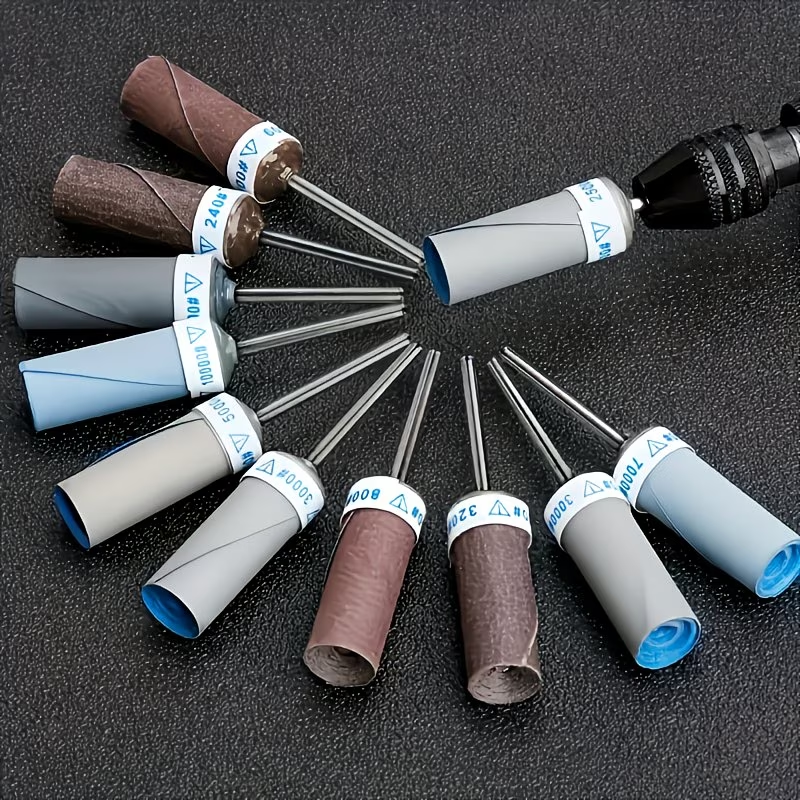
Sandpaper grit numbers describe how coarse or fine the abrasive surface is. Lower numbers remove material aggressively, while higher numbers create smoother finishes.
Jewelry makers usually work gradually from coarse grits to finer polishing stages.
| Grit Range | Main Purpose | Typical Jewelry Use |
|---|---|---|
| 120–220 | Heavy material removal | Removing deep file marks |
| 320–400 | General refining | Smoothing fabrication surfaces |
| 600–800 | Pre-polish sanding | Removing fine scratches |
| 1000–2000+ | Fine finishing | Mirror finish preparation |
Starting With Coarse Grits
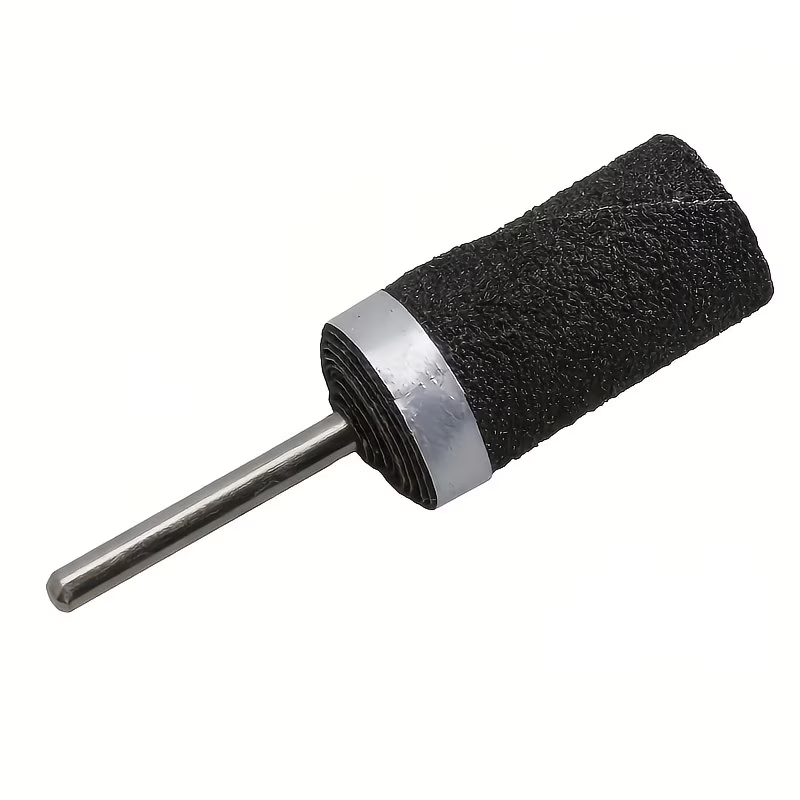
Coarse sandpaper removes metal quickly and is often used after filing or heavy shaping. These grits help eliminate large scratches, solder residue and uneven surfaces.
However, coarse abrasives also leave visible sanding marks that must later be refined.
- Use coarse grits carefully.
- Avoid removing excess metal unnecessarily.
- Sand evenly across the surface.
- Do not skip directly to polishing.
Medium Grit Sanding
Medium grits such as 320–600 are commonly used during general jewelry refinement. These grits smooth fabrication marks while preparing the metal for finer finishing.
Many jewelers spend most of their finishing time in this grit range.
Fine Grit Sanding Before Polishing
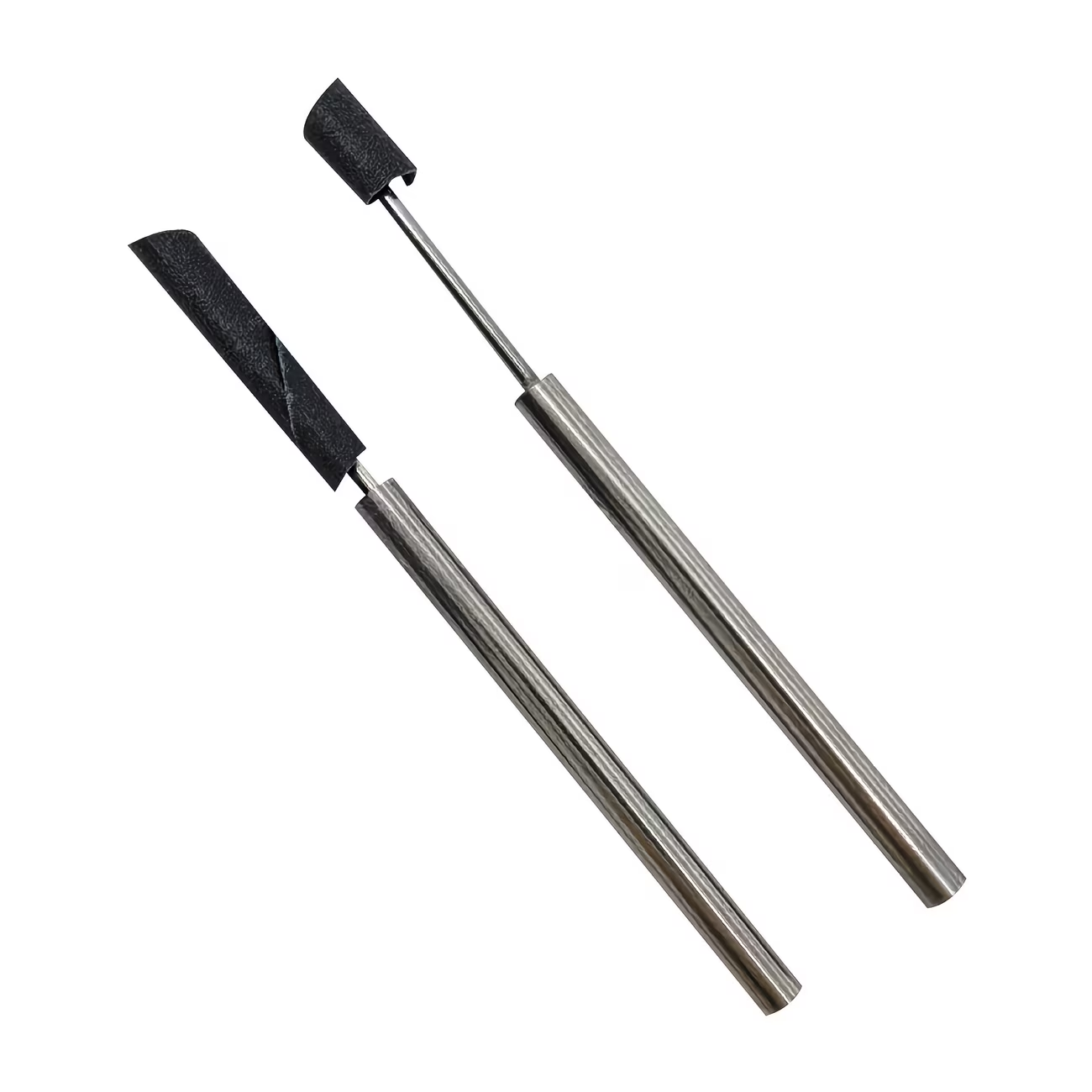
Fine sanding removes smaller scratches left behind from earlier stages. This step is essential before polishing silver or gold jewelry.
The cleaner the fine sanding stage is, the easier it becomes to achieve a bright reflective finish.
Why Skipping Grits Causes Problems
Jumping directly from coarse abrasives to very fine polishing often leaves hidden scratches behind. These scratches become especially visible after final polishing.
Gradual grit progression creates smoother and more consistent jewelry surfaces.
- Move gradually between grit levels.
- Inspect surfaces carefully under bright light.
- Remove scratches fully before switching grits.
- Use patience during finishing stages.
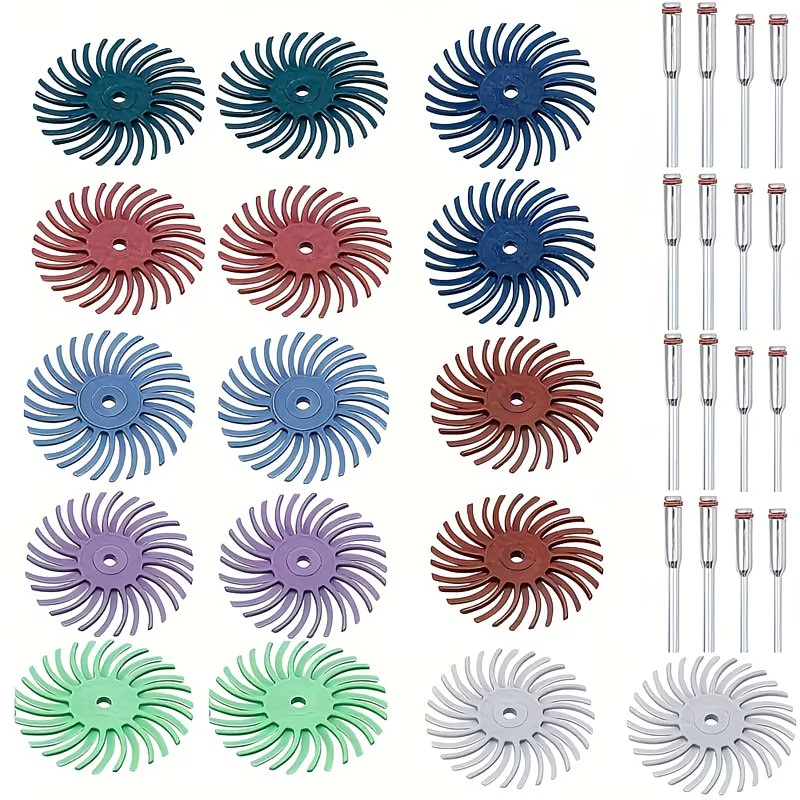
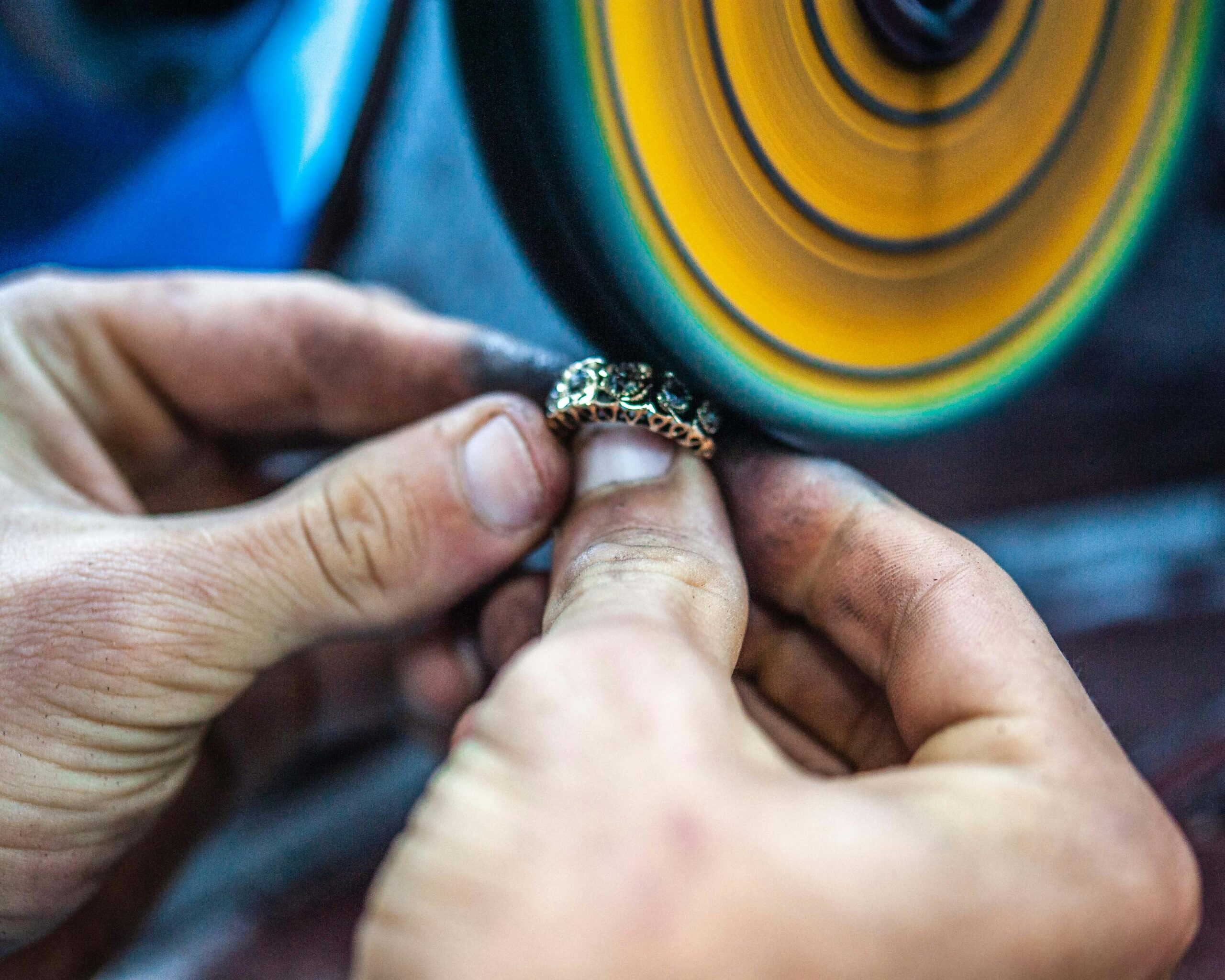
Grinding Discs And Abrasive Wheels
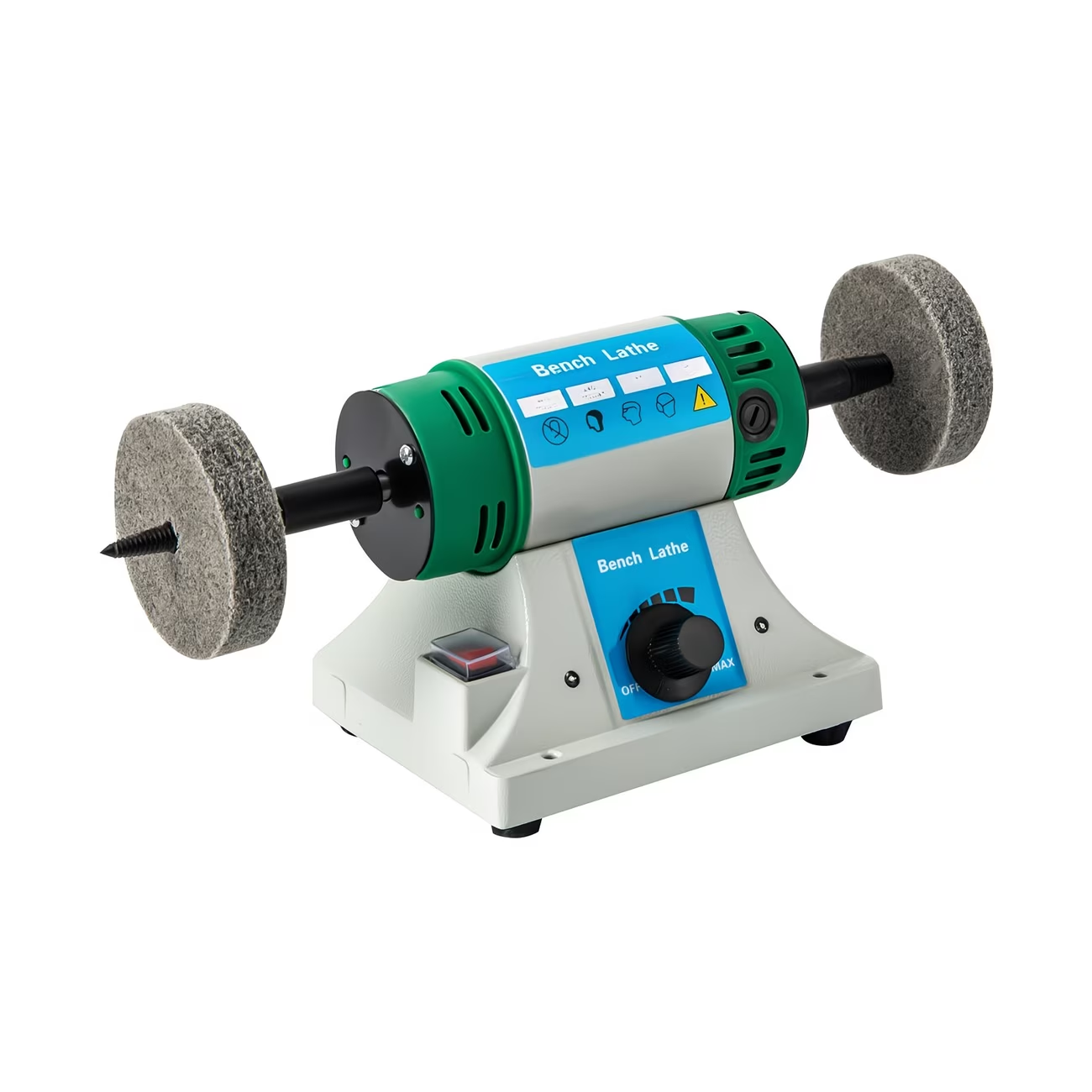
Abrasive discs and rotary sanding tools are often used for rapid cleanup and shaping. These tools remove material faster than hand sanding.
Controlled pressure is important because aggressive abrasives can quickly alter ring dimensions or remove fine details.
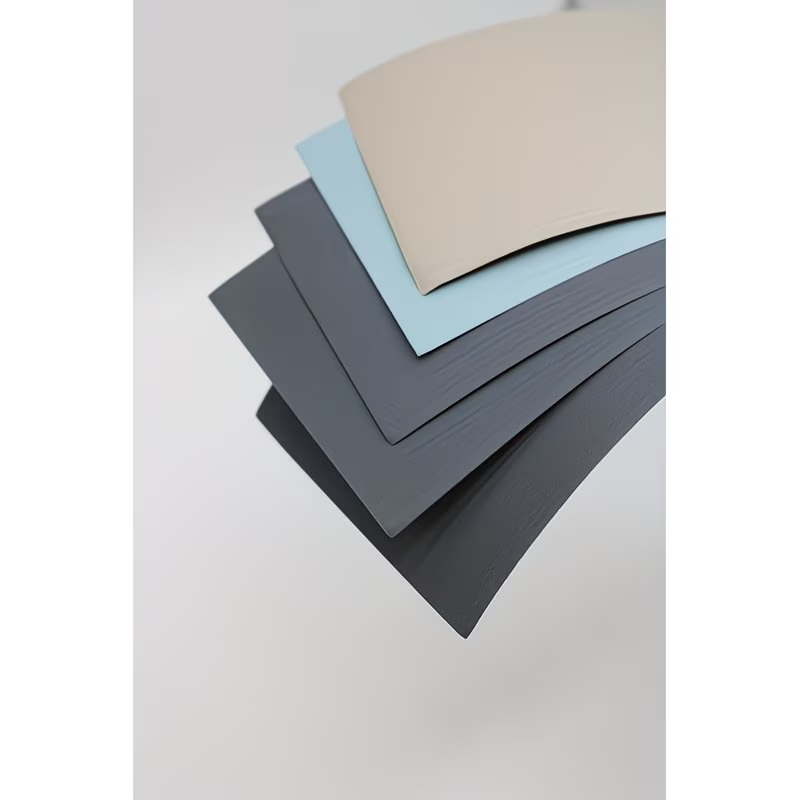
Polishing Papers And Ultra Fine Finishing
Polishing papers are commonly used for very fine surface refinement before buffing. These abrasives help reduce micro-scratches that become visible under strong lighting.
Fine polishing papers are especially useful for rings, bezels and highly reflective silver surfaces.
Wet Sanding In Jewelry Fabrication
Some jewelers use wet sanding techniques during fine finishing stages. Water helps reduce dust and can create smoother sanding results.
Wet sanding is commonly used before final polishing on larger flat surfaces.
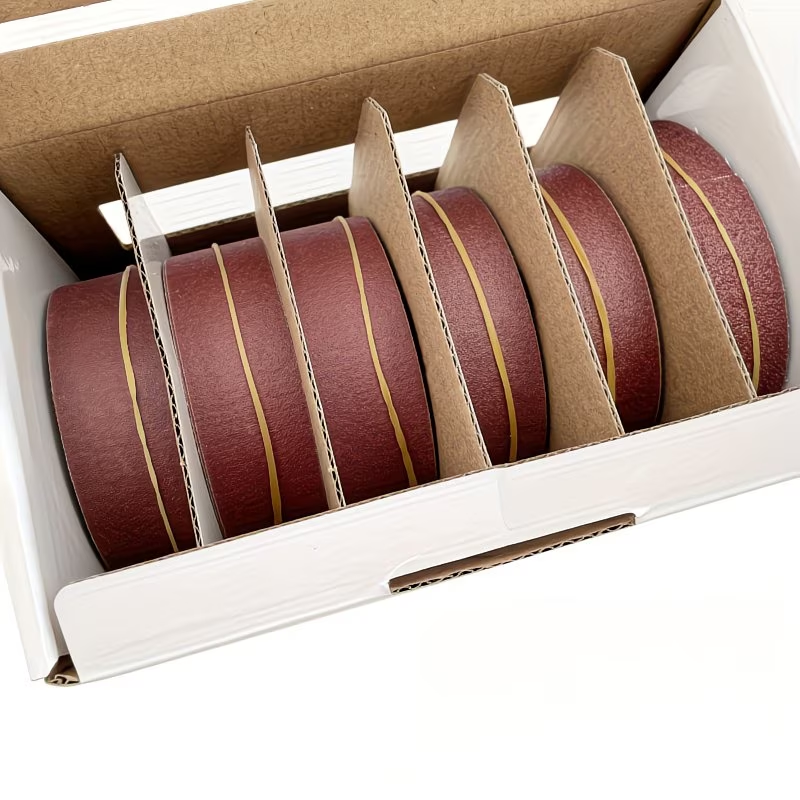
Sanding Rolls And Workshop Efficiency
Sanding rolls are commonly used in jewelry workshops because they provide fast access to multiple abrasive strips during fabrication.
Organized abrasive systems improve workflow efficiency and help maintain consistent grit progression.
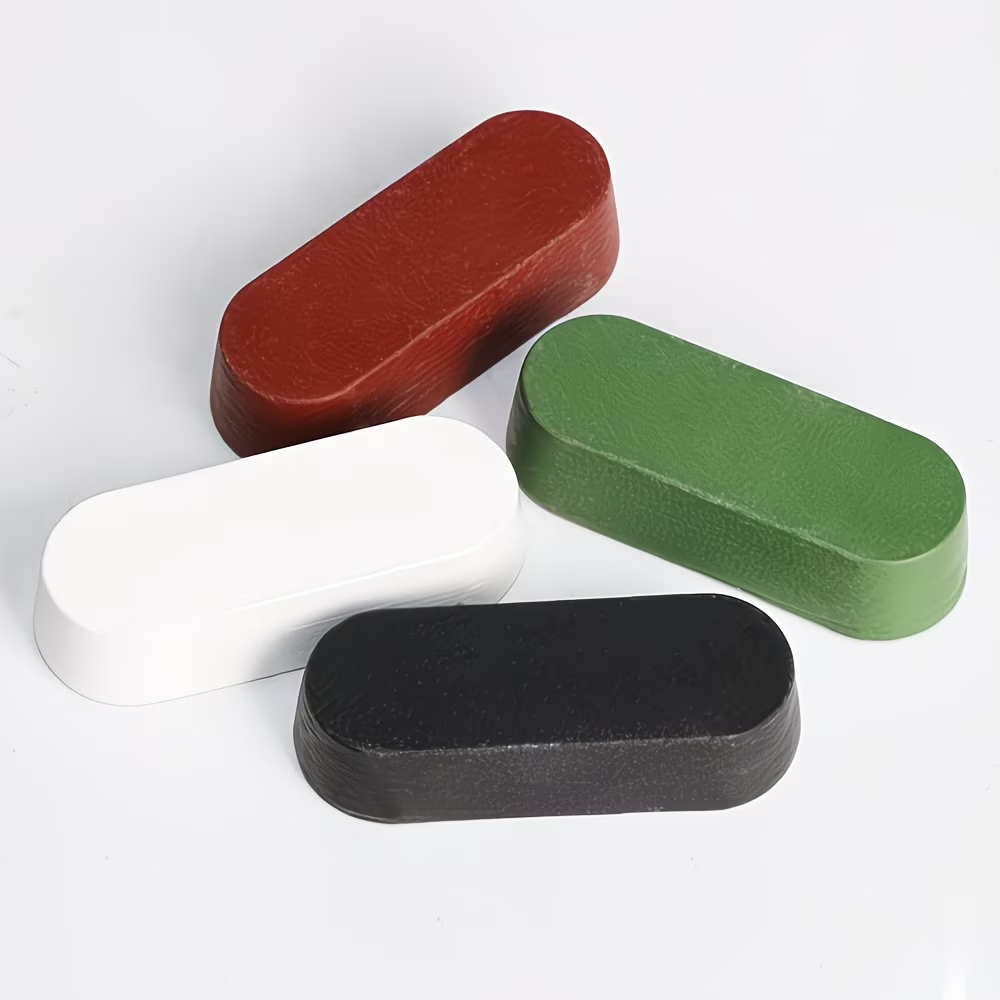
Polishing Compound After Sanding
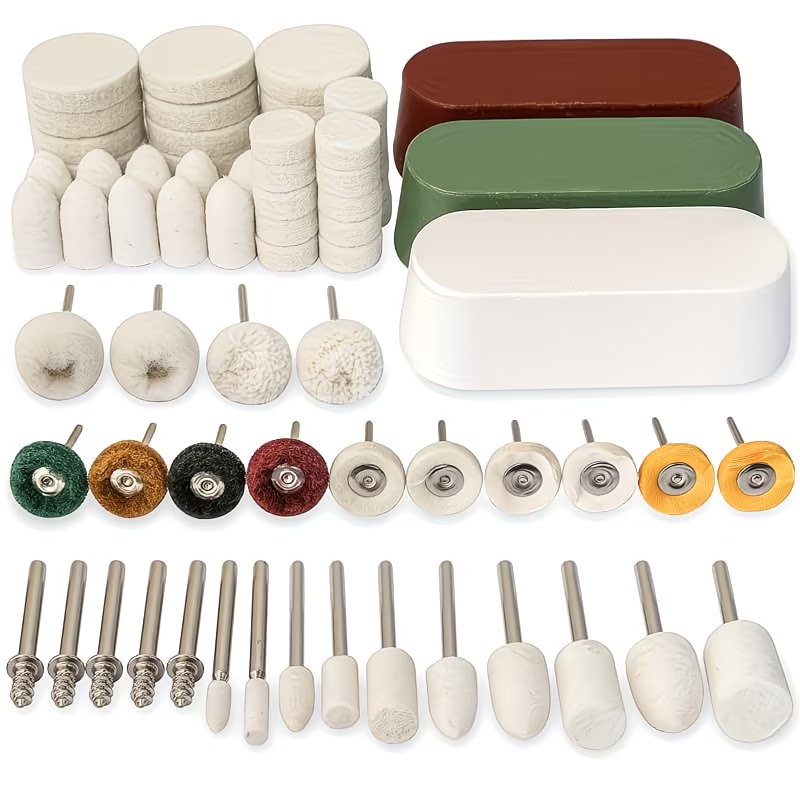
Polishing compounds are used after sanding to create reflective metal surfaces. The polishing stage works best when scratches have already been removed during sanding.
Buffing compounds should refine the surface — not compensate for incomplete sanding.
- Sand thoroughly before polishing.
- Use clean polishing buffs.
- Do not mix abrasive compounds carelessly.
- Inspect surfaces frequently during polishing.
Common Jewelry Sanding Mistakes
- Skipping grits: leaves deep scratches visible after polishing.
- Over-sanding: may alter dimensions or remove details.
- Uneven sanding: creates flat spots or asymmetry.
- Dirty abrasives: can scratch finished surfaces.
- Rushing polishing: often hides unresolved sanding problems.
Typical Jewelry Sanding Workflow
Exact sanding progression depends on the jewelry type, metal and desired finish. However, most fabrication follows a similar refinement sequence.
| Stage | Purpose | Typical Abrasive |
|---|---|---|
| File cleanup | Remove excess material | Jeweler’s file |
| Initial sanding | Remove file marks | 220–320 grit |
| Surface refinement | Smooth scratches | 400–800 grit |
| Fine finishing | Prepare for polish | 1000–2000 grit |
| Final polishing | Create reflective finish | Polishing compound |
Why Sanding Quality Matters
Clean sanding stages are one of the biggest differences between rough beginner jewelry and refined professional fabrication.
Good sanding improves polish quality, edge definition and overall visual refinement.