Why Soft Stones Require Different Techniques
Soft stones react differently to pressure than harder gemstones. During bezel setting, the metal does not simply move around the stone — the stone itself also experiences compression and friction.
Delicate materials can scratch, bruise or fracture even when the bezel appears visually normal from the outside.
Common Soft Stones Used In Jewelry
Some cabochon materials are far more delicate than others during setting.
| Stone | Setting Sensitivity |
|---|---|
| Turquoise | High |
| Opal | Very High |
| Malachite | High |
| Amber | Very High |
| Lapis Lazuli | Moderate |
Softer stones usually require slower setting speed and more controlled pressure.
Fine Silver Is Usually Safer
Fine silver bezel strip is often preferred for soft stones because the metal compresses more smoothly and requires less force during burnishing.
Sterling silver is harder and springier, which can create sudden pressure spikes during setting.
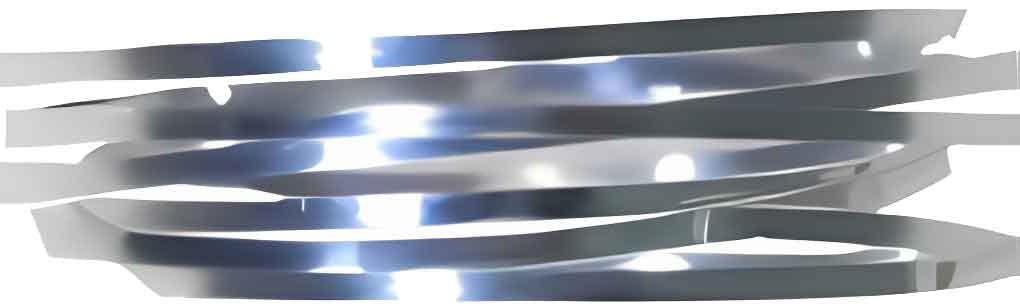
- less pressure required
- reduced springback
- smoother compression
- lower crack risk
- cleaner burnishing behavior
Seat Preparation Is Extremely Important
Soft stones should sit securely before the bezel edge is pushed over.
Uneven seat geometry can create concentrated pressure points underneath the stone during burnishing.
These pressure points may cause:
- micro fractures
- surface bruising
- internal cracking
- edge chipping
- stone movement
Watch The Bezel Height Carefully
Very tall bezel walls require more force during setting and can become dangerous with delicate stones.
Excessive wall height increases:
- compression force
- tool leverage
- wall distortion
- uneven pressure
- risk of slipping tools
Burnish Slowly And Gradually
Soft stones should never be forced suddenly into place.
Instead of collapsing one wall section completely, move gradually around the bezel in small stages.
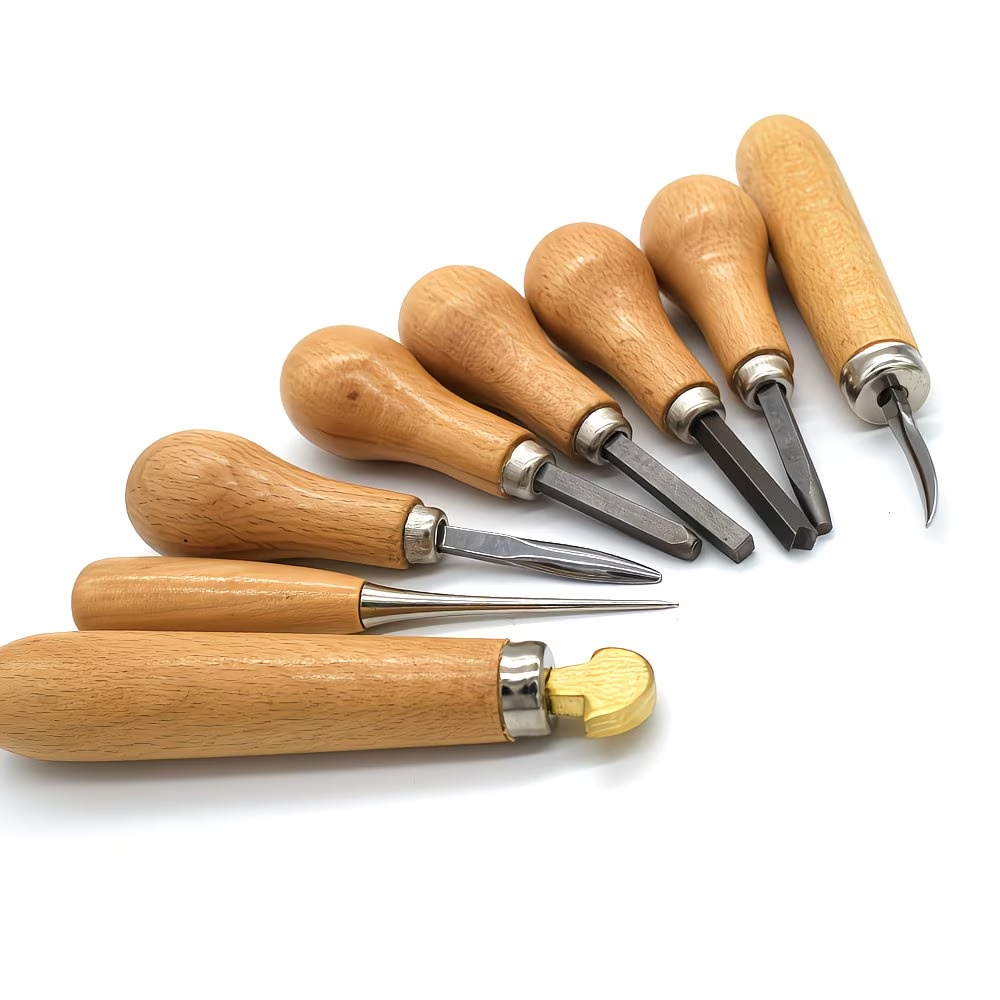
- use smooth pressure
- avoid sudden force
- check stone movement constantly
- stop immediately if resistance changes suddenly
- watch for wall wrinkling
Tool Scratches Can Damage Soft Stones
Slipping tools are especially dangerous when working with soft materials.
Even polished burnishers can scratch:
- opal
- amber
- turquoise
- malachite
Keep tools highly polished and work slowly under strong lighting.
Heat Can Also Damage Stones
Many soft stones are sensitive to heat during fabrication.
Problems can include:
- color change
- internal cracking
- surface crazing
- drying or brittleness
Quick Diagnosis Table
| Problem | Likely Cause |
|---|---|
| Stone cracked during setting | Excessive pressure or poor support |
| Surface scratches | Slipping or rough tools |
| Stone shifted sideways | Uneven seat or pressure imbalance |
| Bezel wrinkles easily | Wall too tall or excessive force |
| Stone damaged after soldering | Heat exposure |
How Professionals Handle Soft Stones
Experienced setters usually work more slowly with delicate stones than with harder materials.
Professional workflow often includes:
- careful seat fitting
- fine silver bezels
- controlled gradual burnishing
- constant inspection under light
- minimal force
- highly polished tools
Related Bezel Guides
Final Thoughts
Soft stones require patience, careful support and controlled pressure. Most damage happens gradually during setting rather than from one obvious mistake.
Clean geometry, smooth tools and stable bezel preparation usually create safer and more professional results with delicate cabochons.