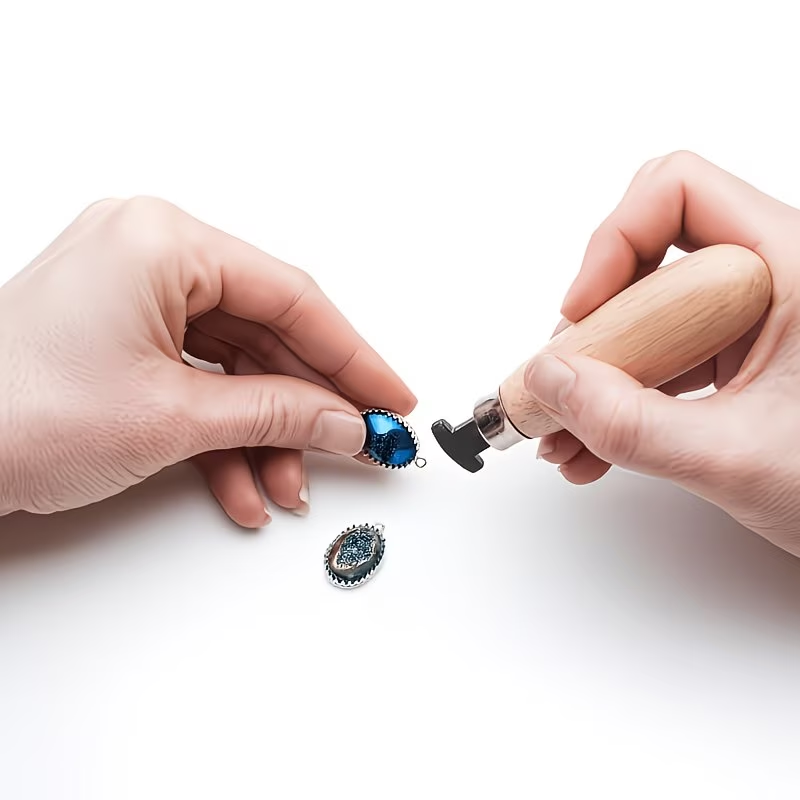
Why Cabochon Settings Fail
Cabochon stones are generally easier to set than faceted stones, but they still require careful geometry, pressure control and preparation.
Many beginner problems come from trying to correct mistakes too late in the process instead of fixing the underlying fabrication issue.
Mistake 1: Poor Bezel Seat Preparation
A poorly prepared bezel seat is one of the biggest causes of loose stones and uneven pressure during setting.
If the stone does not sit flat inside the bezel, the stone may:
- rock during burnishing
- tilt to one side
- move after setting
- create uneven bezel walls
- cause wrinkling during compression
Mistake 2: Bezel Walls That Are Too Tall
Excessively tall bezel walls require more force to compress and often become unstable during setting.
Tall walls can:
- wrinkle more easily
- collapse unevenly
- distort during burnishing
- look visually heavy
- create uneven pressure around the stone
Mistake 3: Uneven Bezel Walls
Uneven bezel walls become highly visible after setting and polishing.
Common causes include:
- uneven bezel strip
- poor filing technique
- heat distortion during soldering
- uneven seat depth
- stone tilt
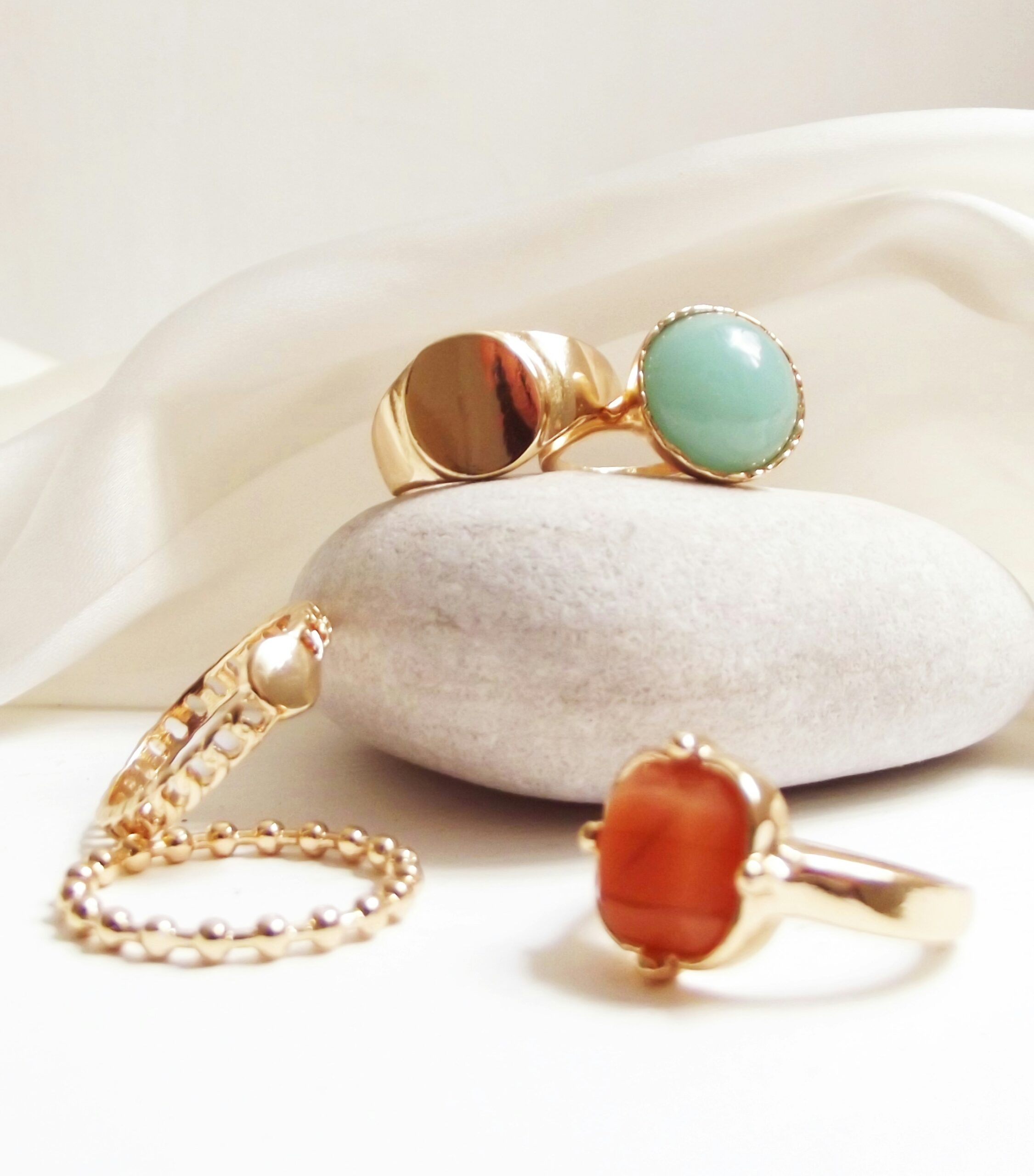
Many uneven walls are actually caused by the stone sitting incorrectly rather than the bezel itself.
Mistake 4: Too Much Pressure Too Early
One of the most common beginner mistakes is forcing one section of bezel fully into place before the rest of the wall is partially seated.
This often creates:
- stone tilt
- wrinkled walls
- pressure imbalance
- surface scratches
- distorted bezel edges
Mistake 5: Using Rough Or Dirty Tools
Scratched burnishers, rough pushers and dirty tools can damage the bezel surface during setting.
Even tiny scratches on a polished burnisher can transfer directly into soft silver during compression.
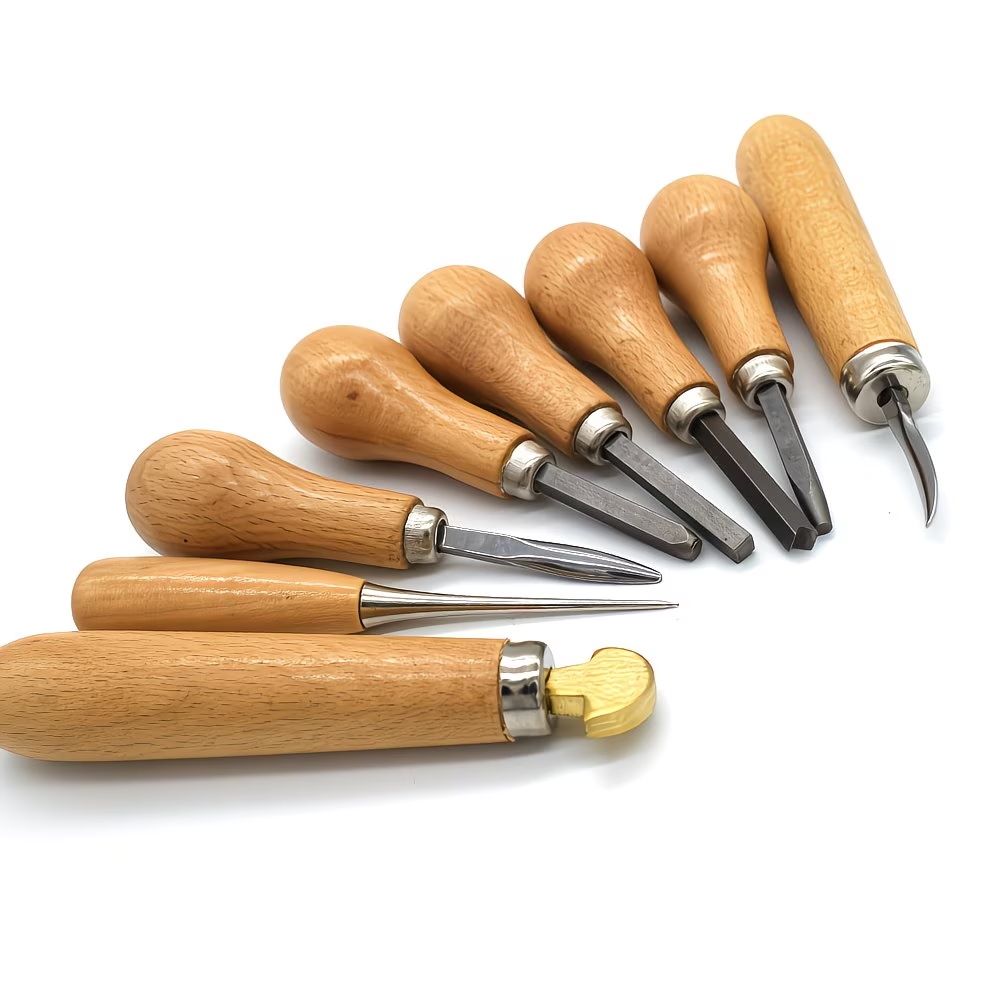
- keep burnishers polished
- clean metal dust frequently
- avoid damaged tool edges
- inspect tools under strong light
Mistake 6: Over-Filing The Bezel
Filing too aggressively can weaken the bezel wall before setting begins.
Over-filed walls may:
- bend too easily
- wrinkle during burnishing
- lose structural consistency
- appear visually uneven
Controlled gradual refinement usually creates cleaner results than heavy correction at the end.
Mistake 7: Ignoring Soldering Distortion
Thin bezel walls can distort slightly during soldering even when the bezel looked perfect beforehand.
Distortion often becomes visible only after:
- filing
- seat preparation
- stone insertion
- final burnishing
Quick Diagnosis Table
| Problem | Likely Cause |
|---|---|
| Stone rocks during setting | Poor seat preparation |
| Bezel wrinkles easily | Wall too tall or too thin |
| Stone tilts sideways | Uneven support underneath |
| Visible scratches after setting | Damaged or dirty tools |
| One side remains loose | Uneven pressure during burnishing |
How Professionals Avoid These Problems
Experienced setters constantly inspect geometry throughout the fabrication process instead of waiting until final burnishing.
- check wall height repeatedly
- test-fit stones often
- inspect reflections under light
- burnish gradually
- avoid rushing the setting stage
- correct distortion early

Related Bezel Guides
Final Thoughts
Most cabochon setting mistakes are not caused by a single dramatic error. They usually come from several small fabrication problems that combine during final setting.
Careful preparation, controlled pressure and repeated inspection create cleaner and more reliable bezel settings.