Solder Flows Toward Heat
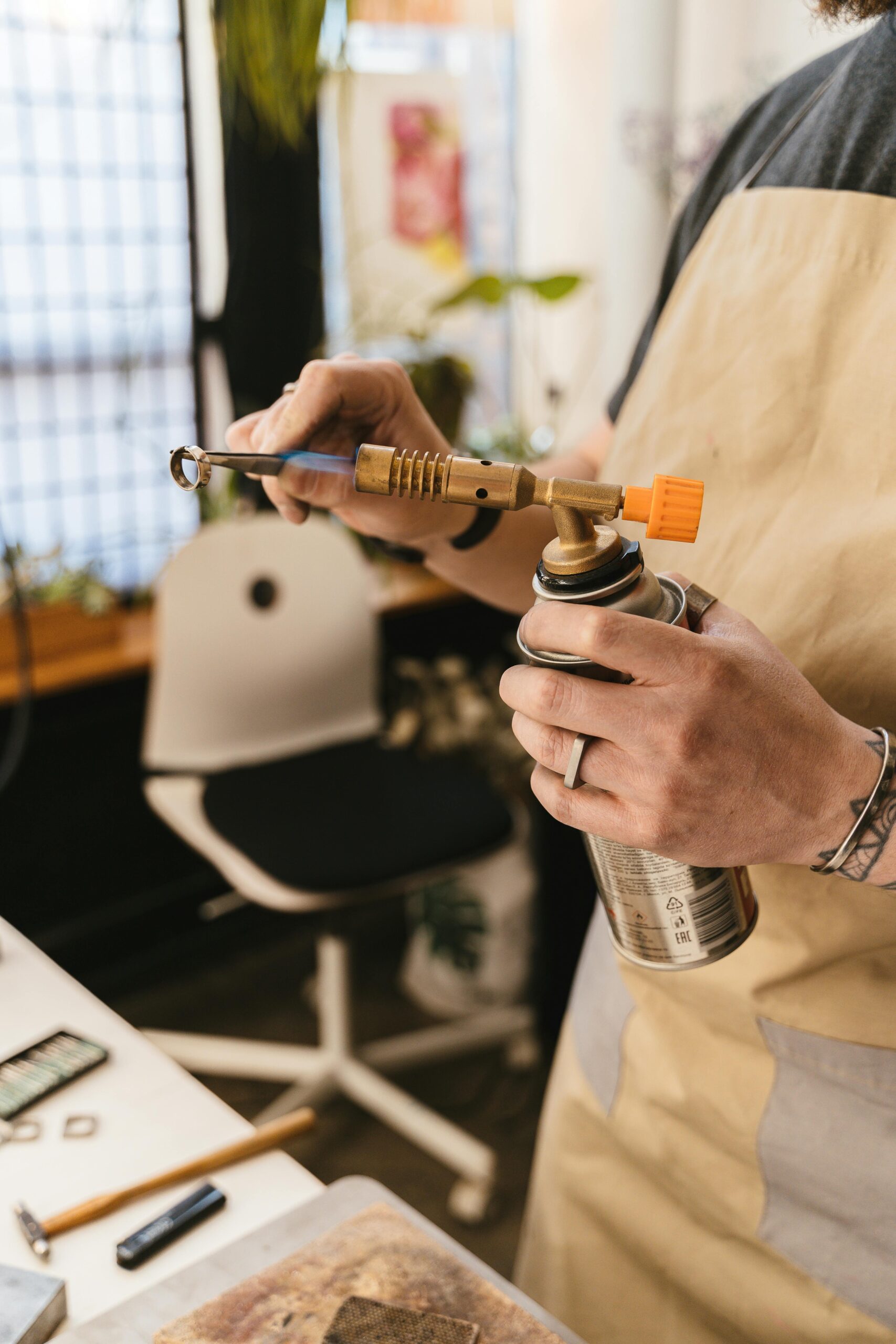
One of the most important soldering principles is that solder flows toward the hottest area of the joint.
Many beginners heat the solder itself instead of heating the metal properly.
Poor Joint Fit Prevents Flow
Solder cannot bridge large gaps effectively. Poorly fitted joints often create weak seams or incomplete solder flow.
Good solder joints usually require:
- tight seam contact
- clean metal surfaces
- stable positioning
- even heat distribution
- minimal movement during soldering
Oxidation Blocks Solder Flow
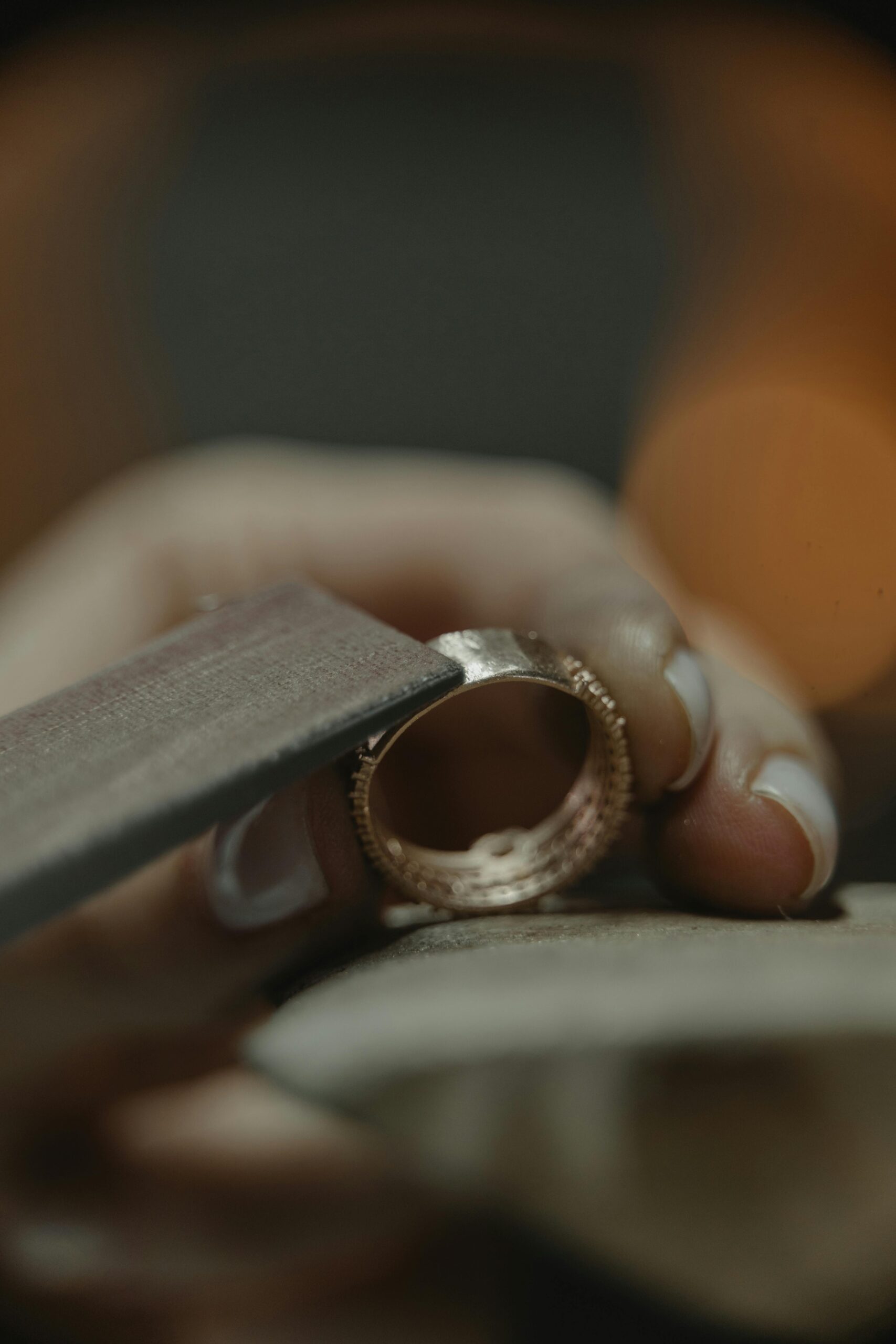
Oxidized silver surfaces resist solder flow and often create patchy, incomplete seams.
Common oxidation problems include:
- dirty metal surfaces
- finger oils
- heavy heating before flux activates
- old solder contamination
- fire scale buildup
Flux Helps Protect The Joint
Flux reduces oxidation during heating and improves solder flow across the joint.
Incomplete flux coverage can leave parts of the seam exposed to oxygen.
- apply flux evenly
- cover the full seam area
- avoid overheating before flux activates
- reapply flux if necessary
Uneven Heating Creates Problems
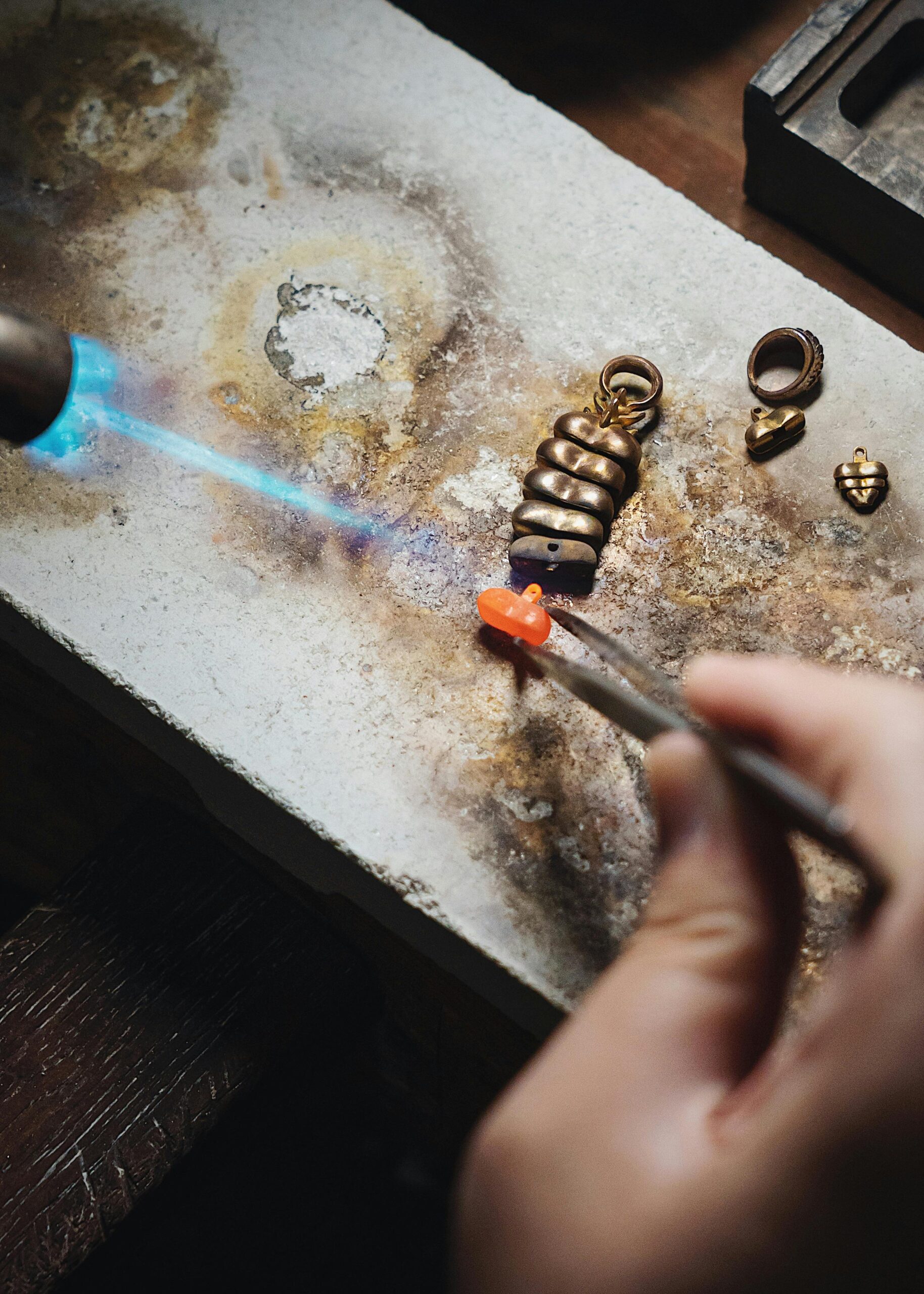
Heating one area too aggressively often prevents the rest of the joint from reaching solder flow temperature.
This commonly causes:
- solder balls forming
- partial seam flow
- cold joints
- uneven seam strength
- localized overheating
The Torch Flame Matters
Flame adjustment strongly affects soldering behavior.
A poorly adjusted flame may:
- oxidize the metal excessively
- heat unevenly
- overheat small areas
- create unstable solder flow
Too Much Solder Creates Messy Seams
Beginners often assume more solder creates stronger joints.
In reality, excessive solder usually creates:
- messy cleanup
- large solder blobs
- visible seam lines
- extra filing and sanding
Movement During Soldering Breaks Flow
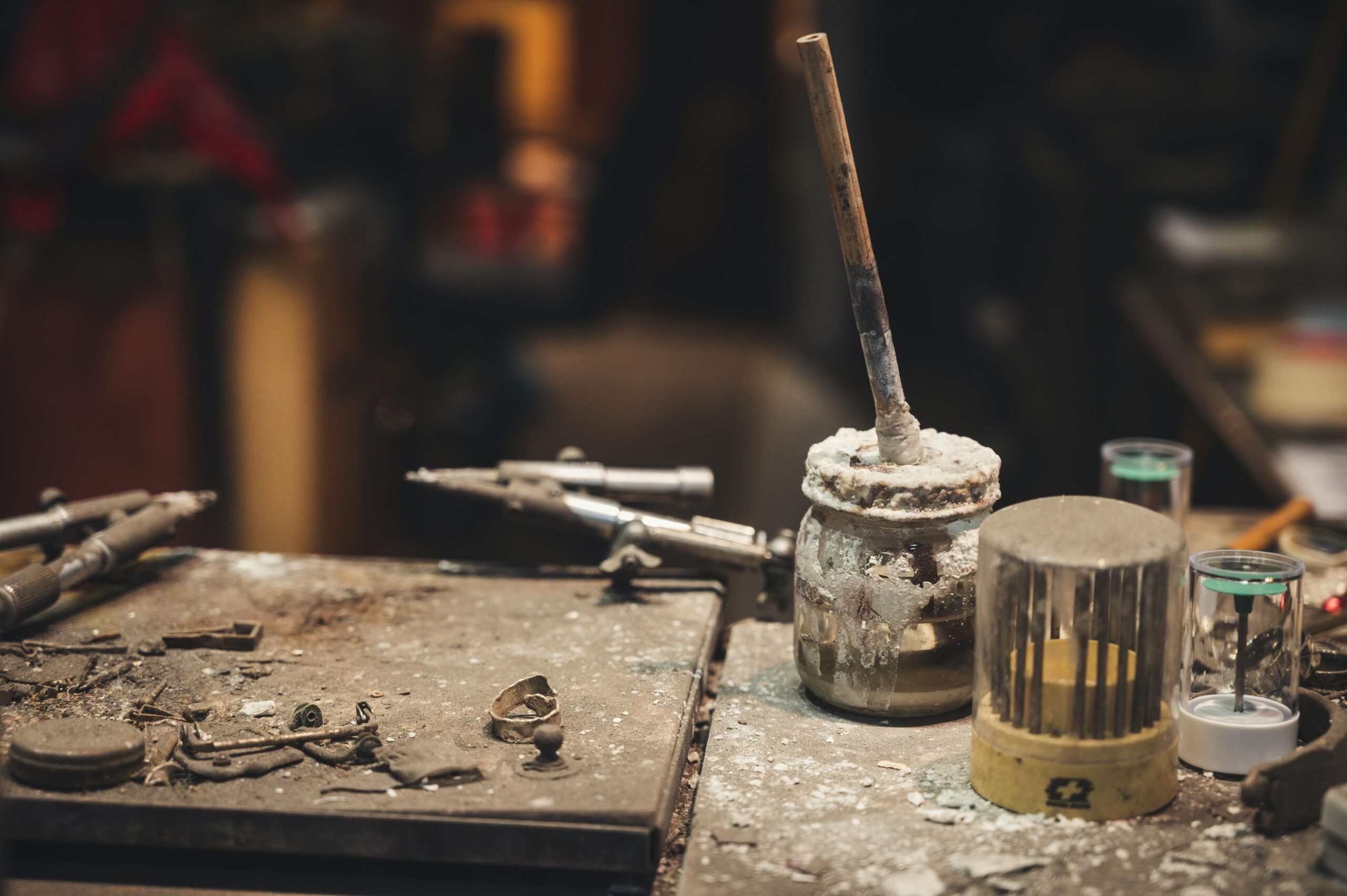
Small movement while the solder is flowing can instantly weaken the seam.
Jewelry pieces should remain stable until the solder fully solidifies.
- secure pieces properly
- avoid touching hot joints
- let solder cool naturally
- minimize vibration during flow
Quick Diagnosis Table
| Problem | Likely Cause |
|---|---|
| Solder forms balls instead of flowing | Metal not hot enough |
| Patchy seam flow | Uneven heating or oxidation |
| Solder refuses to move | Poor joint fit or dirty metal |
| Large solder blobs | Too much solder used |
| Weak seam after cooling | Movement during solder flow |
How Professionals Improve Solder Flow
Professional soldering usually focuses on preparation and heat control rather than forcing solder into the joint.
- clean metal thoroughly
- fit seams tightly
- heat evenly
- use minimal solder
- watch solder behavior carefully
- control oxidation early
Related Soldering Guides
Final Thoughts
Most solder flow problems are caused by heat imbalance, oxidation or poor preparation rather than defective solder.
Clean seams usually come from careful joint fitting, controlled heating and understanding how solder behaves during fabrication.