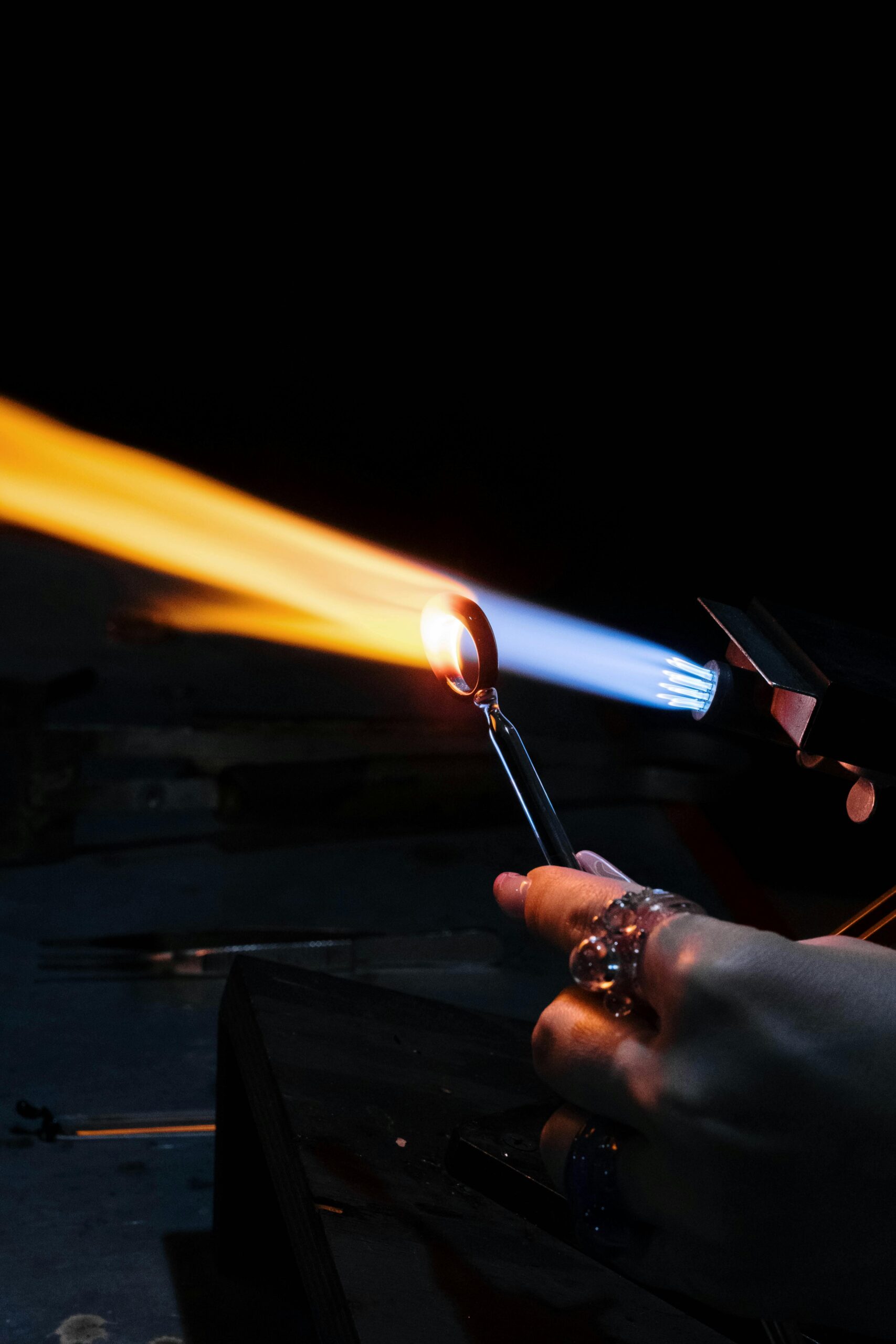
Why Torch Control Matters
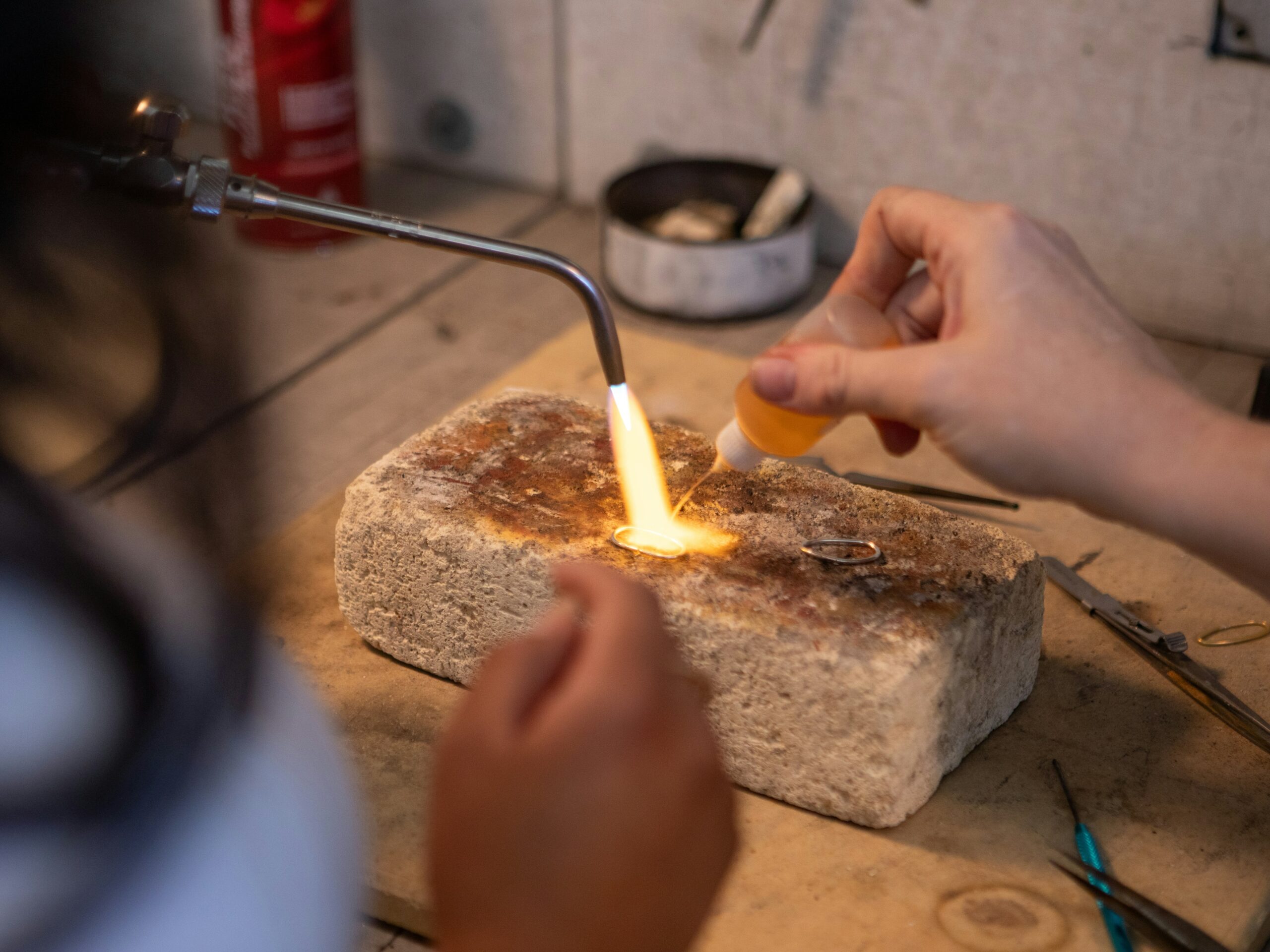
Solder follows temperature very precisely. Small flame positioning mistakes often create major soldering problems during fabrication.
Torch control affects:
- solder flow
- surface oxidation
- warping
- joint strength
- finishing quality
Heating The Solder Directly
Beginners often point the flame directly at the solder pallion instead of heating the surrounding silver.
This commonly causes:
- solder balling
- patchy seams
- solder jumping away
- weak seam bonding
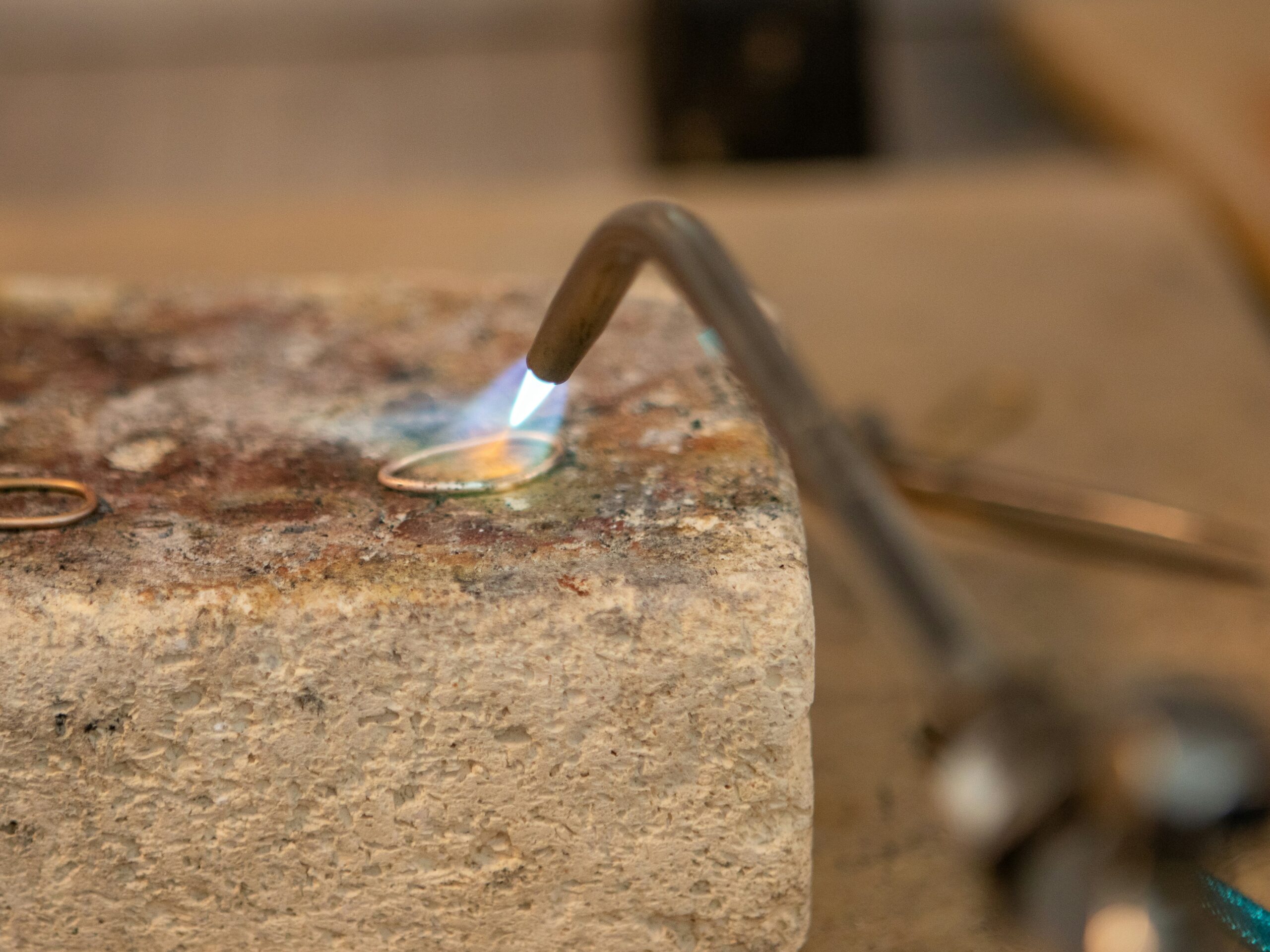
Overheating Thin Silver
Thin silver components heat much faster than heavy stock.
Excessive flame concentration may quickly create:
- warping
- fire scale
- melted edges
- surface collapse
Keeping The Flame Too Still
Holding the torch in one position creates uneven temperature zones across the jewelry piece.
Uneven heat often causes:
- partial solder flow
- distortion
- cold seams
- visible solder lines
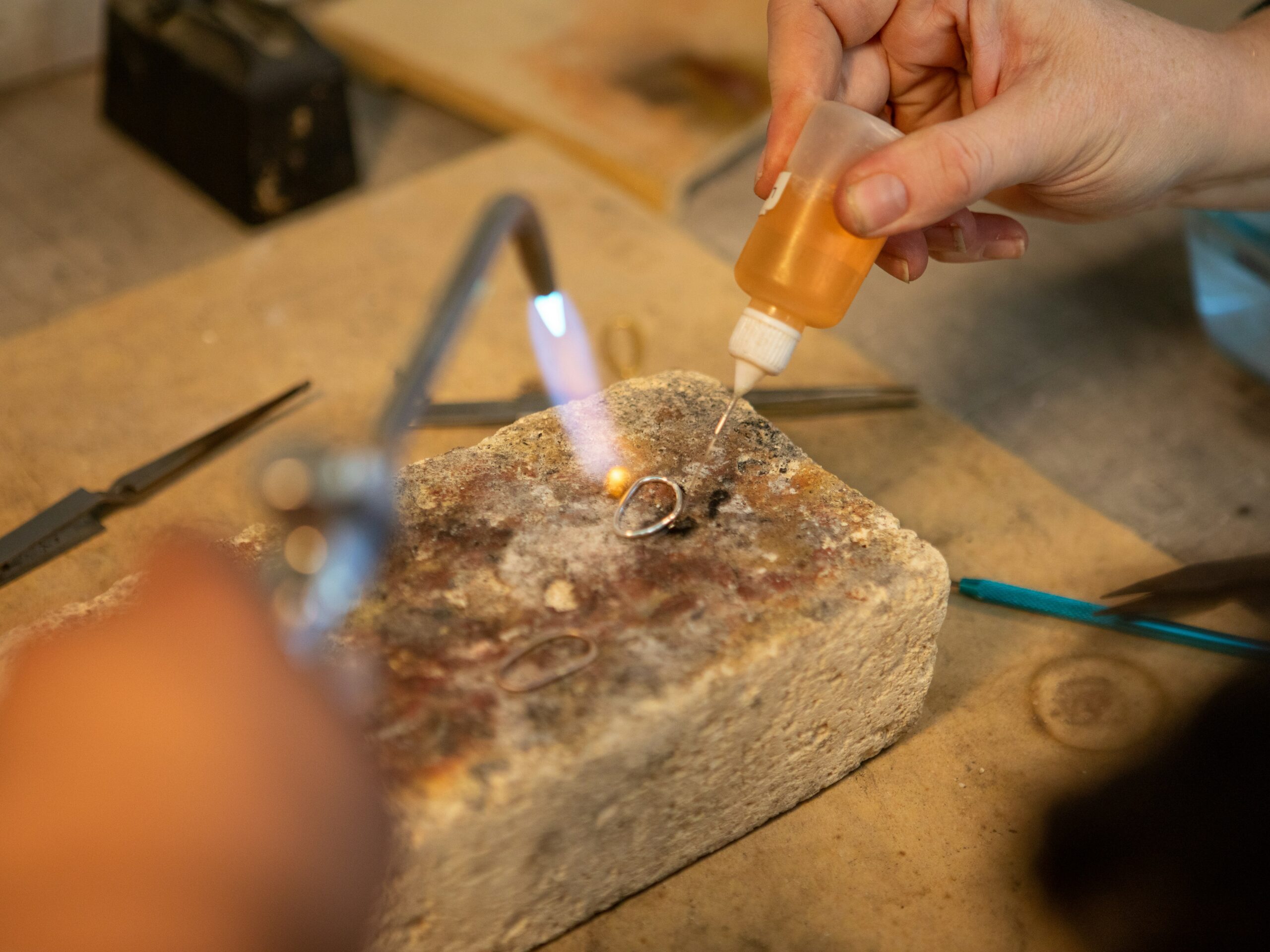
Ignoring Heat Balance
Thick and thin components heat differently during soldering.
If one section remains colder, solder may avoid the seam completely.
- large backplates
- heavy ring shanks
- thin bezels
- multi-part assemblies
Using Excessive Flame Size
Large aggressive flames reduce precision and increase oxidation risk.
Oversized flames commonly create:
- heavy fire scale
- overheated surfaces
- distorted geometry
- poor solder visibility
Not Watching Surface Reflections
Reflections reveal temperature changes and distortion surprisingly well during soldering.
Watch carefully for:
- waves in the surface
- uneven glow
- overheated sections
- unexpected movement
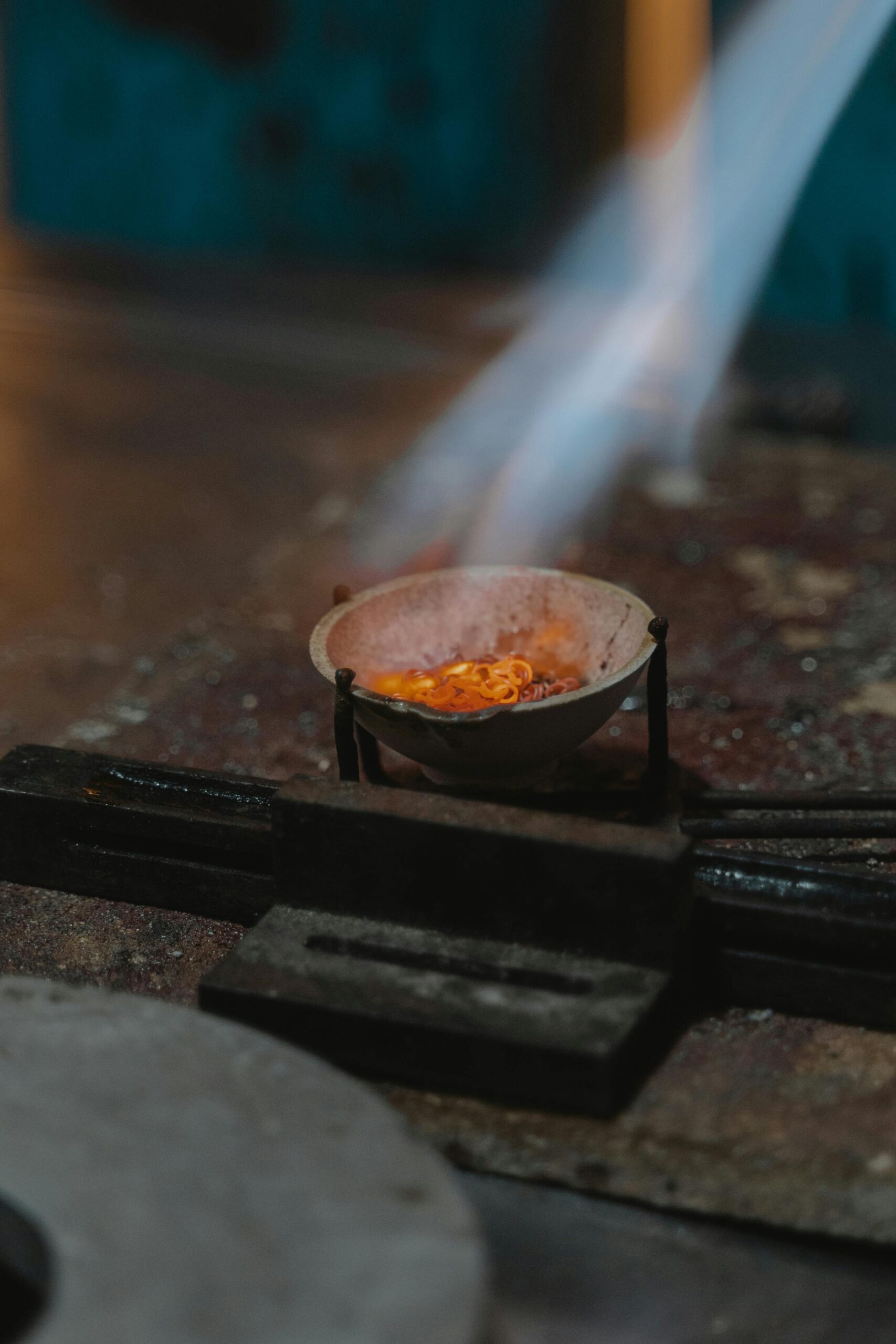
Quick Diagnosis Table
| Problem | Likely Torch Mistake |
|---|---|
| Solder balls up | Direct flame on solder |
| Fire scale everywhere | Excessive overheating |
| Warped silver | Uneven concentrated heat |
| Partial seam flow | Poor heat balance |
| Visible seam after polishing | Incomplete solder flow |
How Professionals Control Torch Heat
Professional jewelers usually focus on controlled heat movement rather than aggressive flame intensity.
- continuous torch motion
- balanced heating
- careful seam observation
- minimal overheating
- controlled flame size
Related Jewelry Guides
Final Thoughts
Good soldering depends heavily on heat balance and controlled torch movement.
Careful flame positioning, surface observation and gradual heating usually produce cleaner seams and far more predictable silver soldering results.