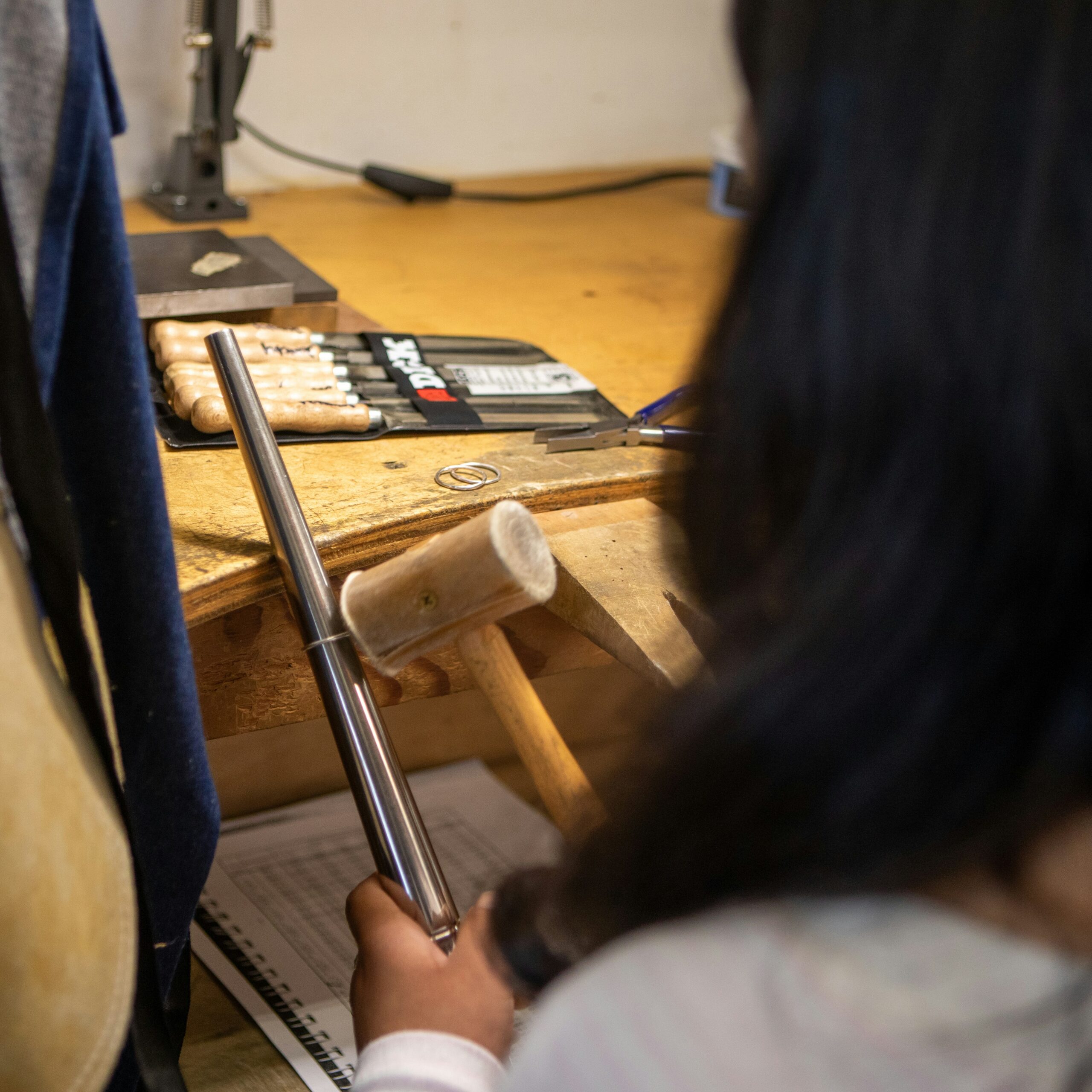
Why Solder Moves Unexpectedly
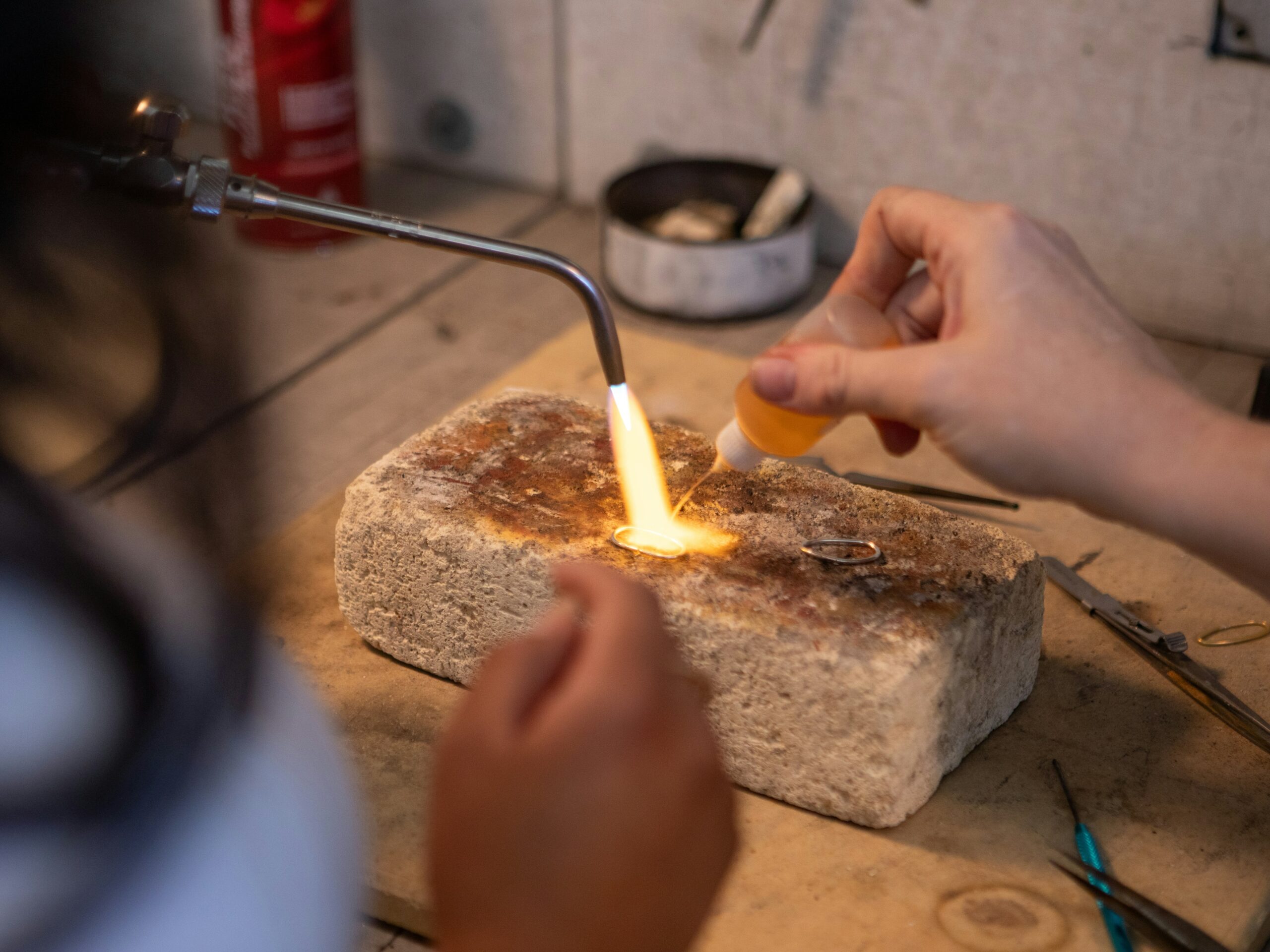
Silver solder always seeks the hottest cleanest area available during soldering.
If heat balance becomes uneven, solder may suddenly move away from the intended seam.
Uneven Heat Is The Biggest Cause
Concentrating the torch too heavily on one side often pulls solder toward that area.
Common heat imbalance problems include:
- heating one component too aggressively
- large temperature differences
- cold areas near the seam
- direct flame on solder pallions
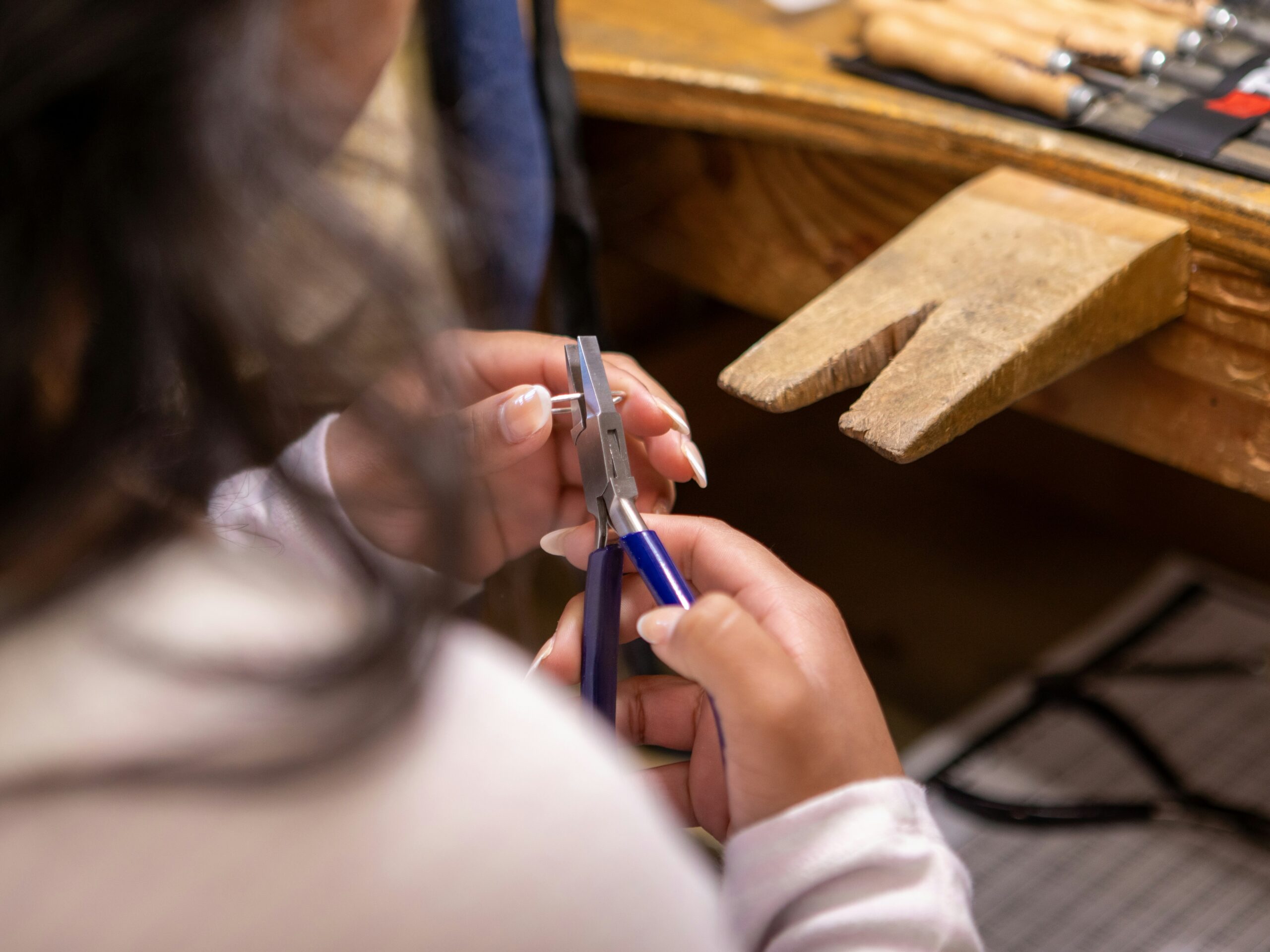
Dirty Metal Prevents Proper Flow
Oxidation, grease and sanding residue interrupt smooth solder movement.
Solder may avoid contaminated areas completely and flow elsewhere instead.
- finger oils
- oxidation
- fire scale
- polishing residue
- dirty flux surfaces
Flux Distribution Matters
Flux protects the metal and helps solder flow smoothly across the seam.
Uneven or burned flux may cause:
- patchy solder movement
- solder separation
- dry seam areas
- incomplete bonding
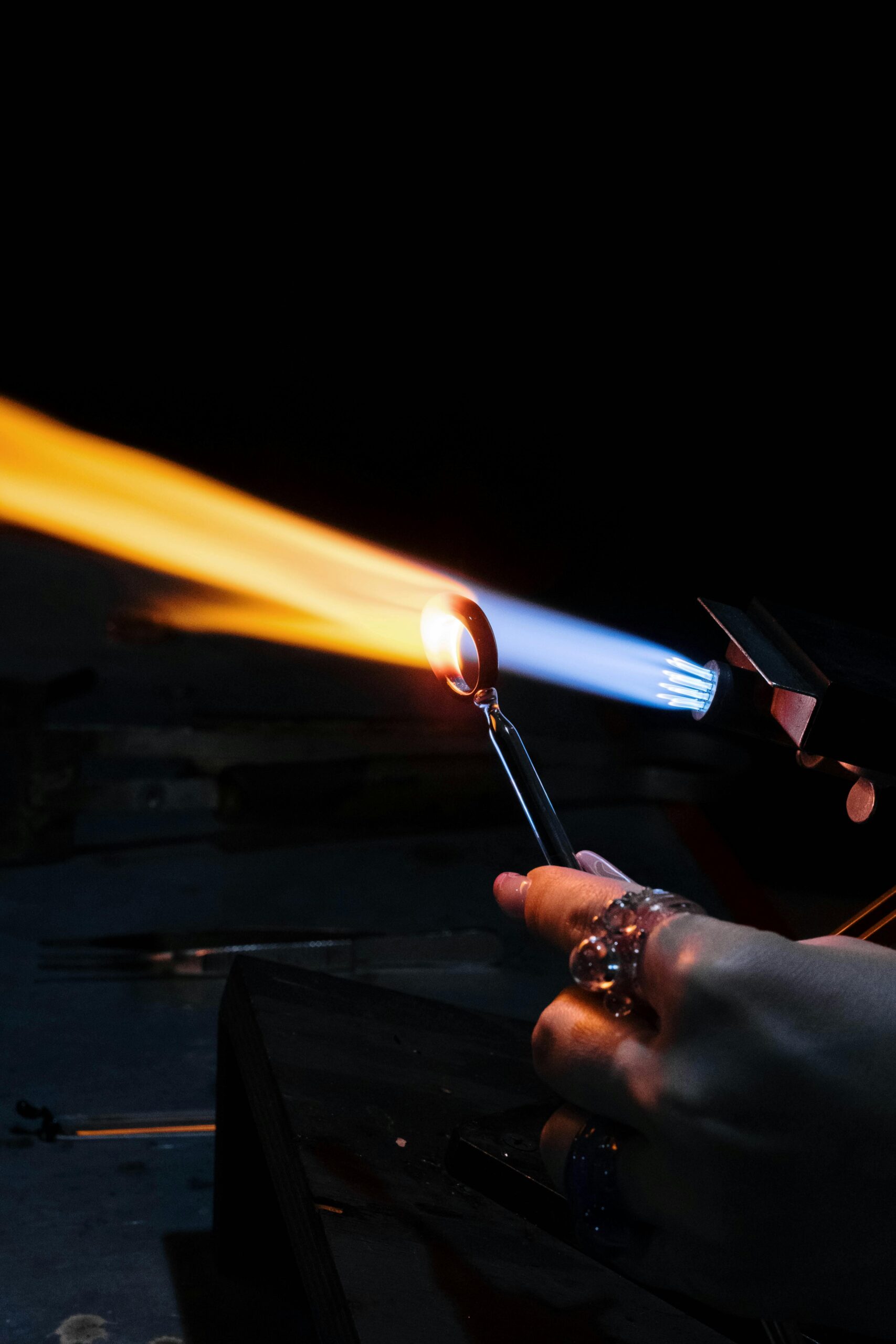
Large Components Heat Differently
Thick or heavy silver parts absorb heat more slowly than thin components.
If one section remains colder, solder may pull toward the hotter thinner area instead.
- thick ring shanks
- large backplates
- heavy bezels
- multi-layer assemblies
Direct Flame On Solder Causes Problems
Heating the solder directly often melts it before the surrounding silver reaches flow temperature.
This commonly causes solder to:
- ball up
- separate from the seam
- flow unpredictably
- pull toward the torch
Gap Size Affects Solder Behavior
Large uneven gaps interrupt capillary action and reduce solder control.
Poor seam fit may create:
- broken solder flow
- partial seam bonding
- visible solder buildup
- weak structural areas
Quick Diagnosis Table
| Problem | Likely Cause |
|---|---|
| Solder flows away from seam | Uneven heating |
| Solder balls up | Dirty metal or direct flame |
| Partial seam flow | Cold sections near seam |
| Solder avoids certain areas | Contamination or oxidation |
| Patchy seam bonding | Uneven flux coverage |
How Professionals Control Solder Flow
Professional soldering focuses heavily on heat balance and seam preparation.
- clean metal surfaces
- balanced flame movement
- tight seam fit
- controlled flux application
- gradual heating across the piece
Related Soldering Guides
Final Thoughts
Solder movement problems usually come from heat imbalance, contamination or weak seam preparation rather than the solder itself.
Controlled heating, clean silver surfaces and careful torch movement usually create smooth predictable solder flow across jewelry seams.