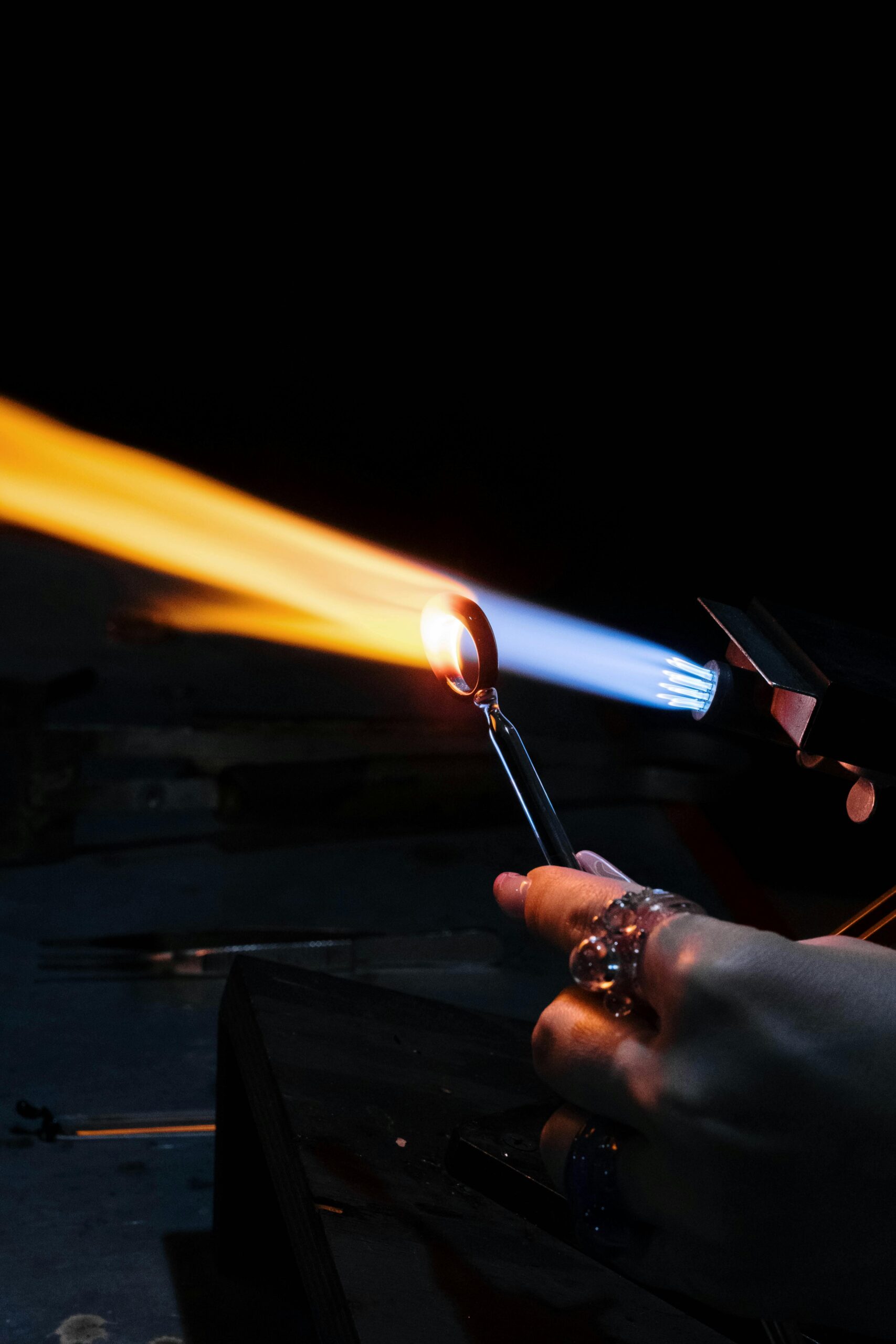
Why Silver Warps During Soldering
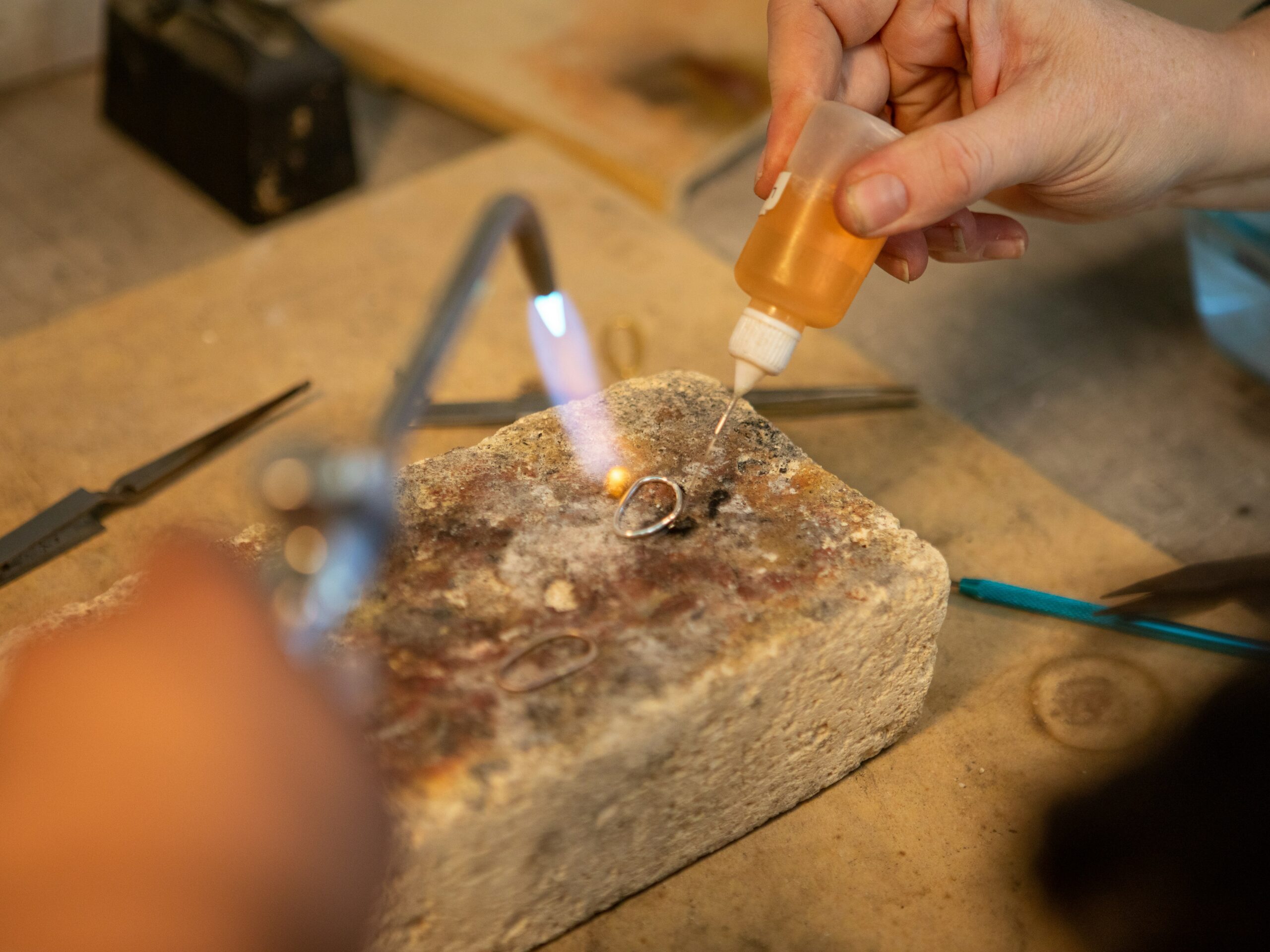
Silver expands when heated. Uneven expansion across the metal surface creates internal stress that can quickly distort thin jewelry components.
Warping usually becomes worse when one area reaches soldering temperature much faster than the surrounding metal.
Thin Metal Is More Vulnerable
Thin sheet silver and lightweight ring shanks distort much faster than heavier fabrication stock.
Common high-risk parts include:
- thin bezels
- backplates
- wide thin rings
- large sheet components
- unsupported decorative elements
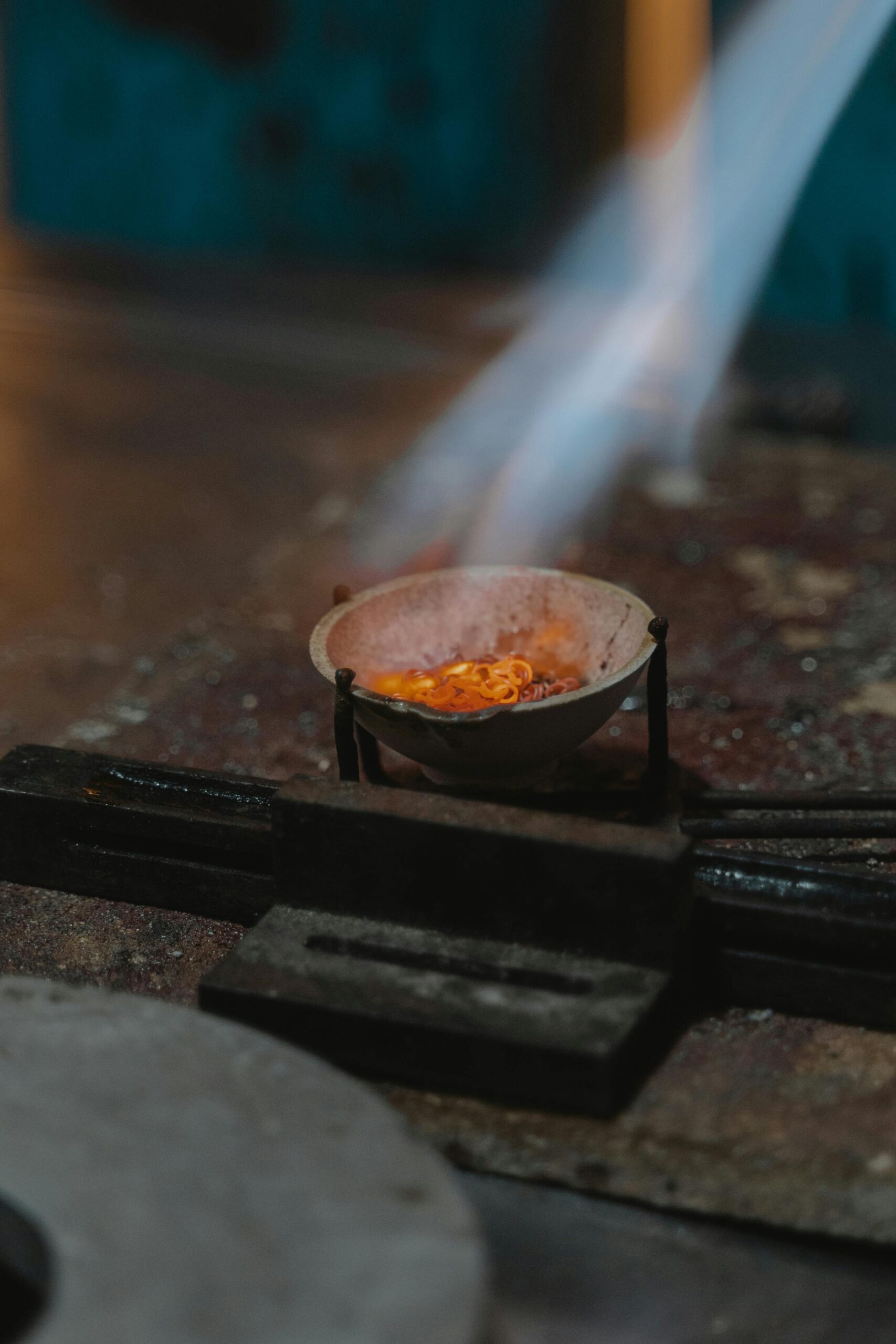
Uneven Heating Causes Distortion
Concentrating the flame too heavily in one area creates rapid expansion while the surrounding metal remains cooler.
This imbalance often causes:
- bending
- twisting
- cupping
- wavy surfaces
- distorted seams
Support The Piece Properly
Unsupported areas become much more vulnerable to movement once the silver softens during heating.
Proper setup may include:
- soldering blocks
- binding wire
- cross-lock tweezers
- steel mesh supports
- stable seam positioning
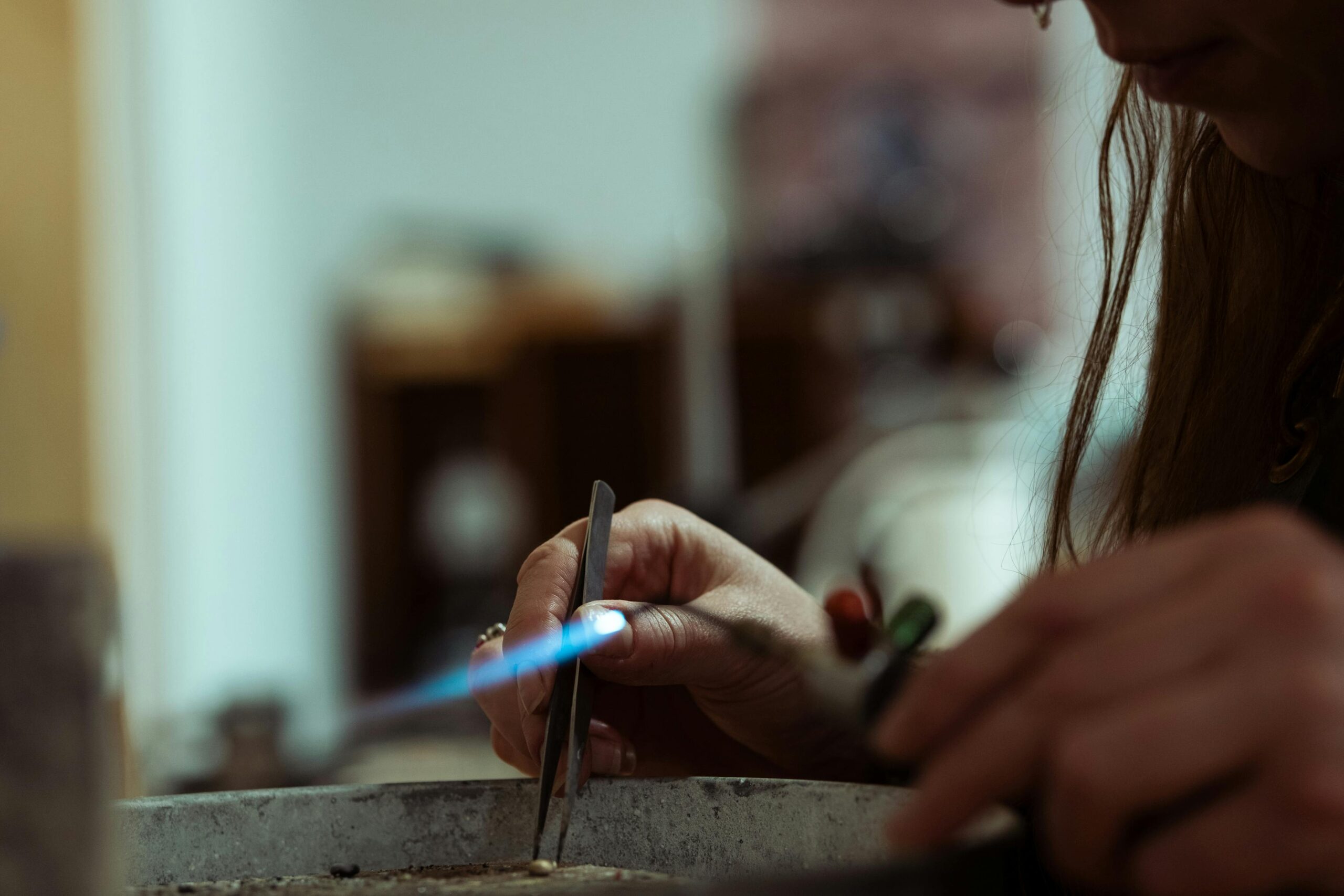
Large Flat Pieces Need Extra Attention
Large sheet surfaces distribute heat unevenly very easily.
Without controlled torch movement, broad surfaces may develop subtle waves or curvature during soldering.
- move heat gradually
- avoid overheating edges
- preheat larger surfaces evenly
- watch reflections constantly
Overheating Softens Silver Quickly
Sterling silver becomes significantly softer at soldering temperatures.
Excessive heating time increases the likelihood of:
- surface collapse
- edge distortion
- seam movement
- warped geometry
- reflection inconsistency
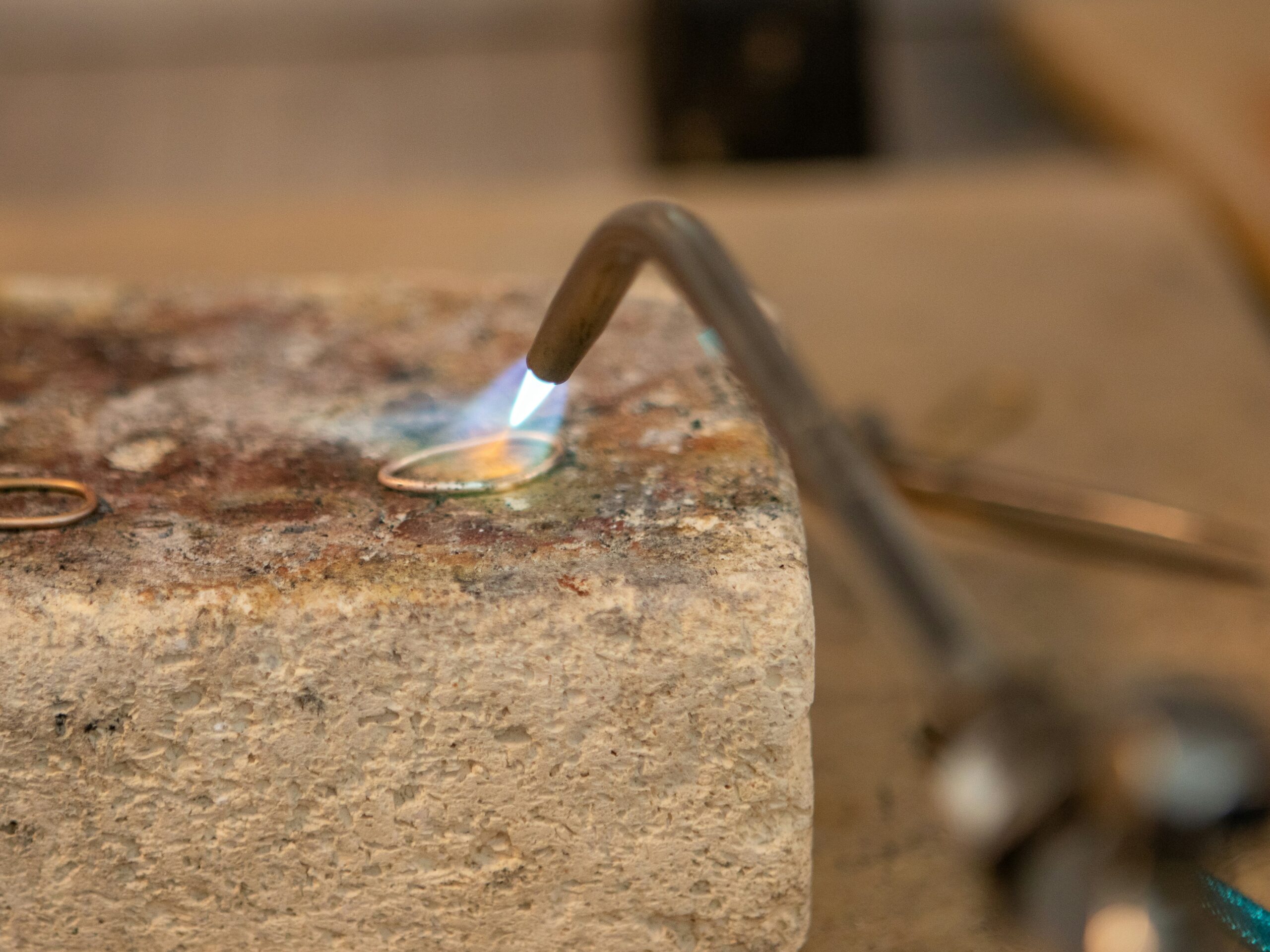
Watch Reflections During Cooling
Distortion sometimes becomes visible only after the silver cools.
Rotate the piece under directional light and inspect:
- surface waves
- twisting
- cupping
- uneven reflections
- edge distortion
Quick Diagnosis Table
| Problem | Likely Cause |
|---|---|
| Sheet silver bends upward | Uneven heat concentration |
| Ring shank twists | Uneven support or heating |
| Backplate becomes wavy | Overheating large flat area |
| Edges distort during soldering | Excessive heat exposure |
| Piece shifts during flow | Insufficient support setup |
How Professionals Reduce Warping
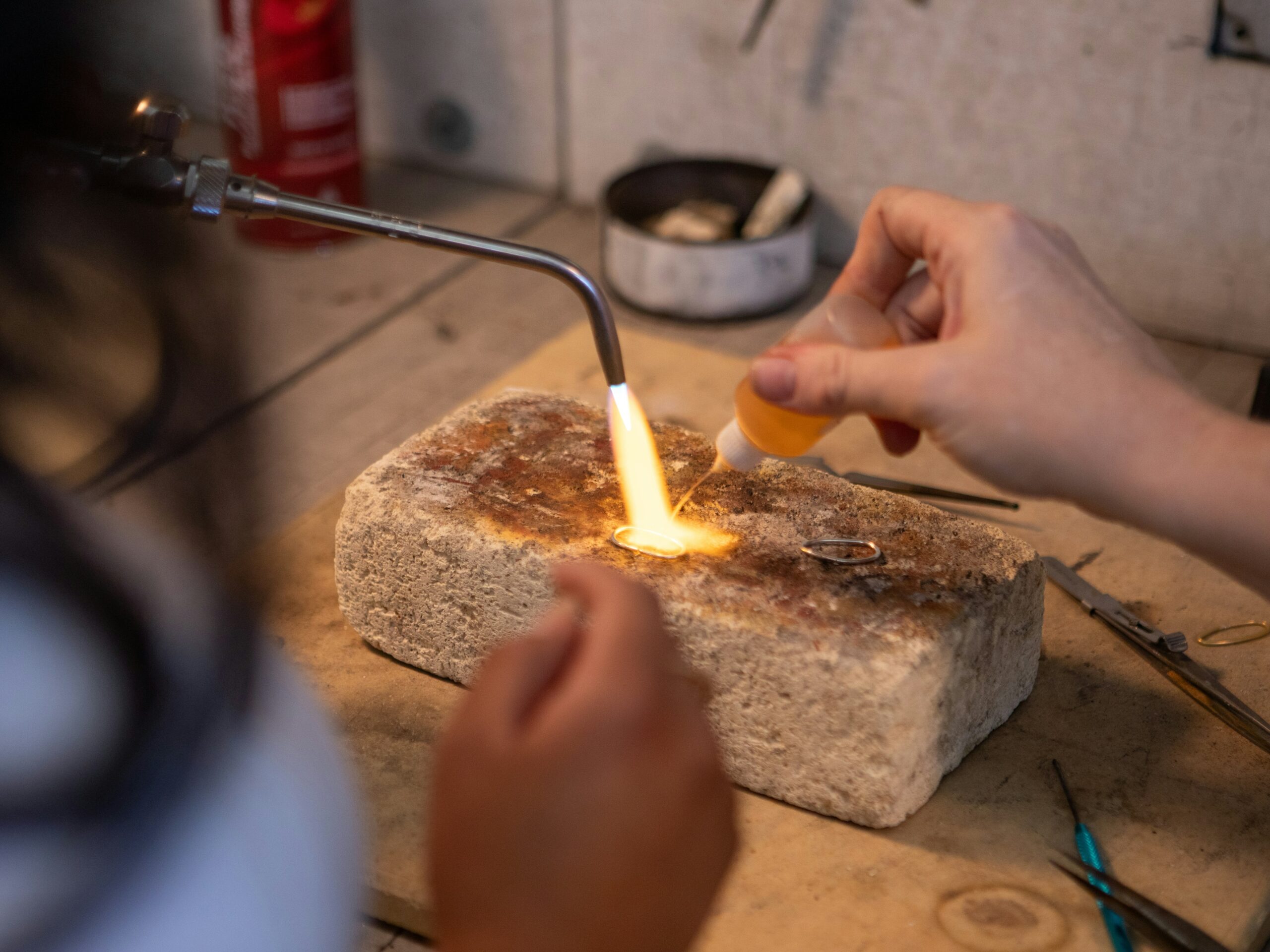
Professional soldering usually focuses on controlled heat distribution instead of aggressive localized heating.
- even torch movement
- stable support setup
- minimal overheating
- careful preheating
- short controlled solder flow
Related Soldering Guides
Final Thoughts
Preventing warping depends mostly on heat balance, proper support and understanding how silver behaves during soldering temperatures.
Controlled heating and careful setup usually create cleaner seams, flatter surfaces and far less correction work afterward.