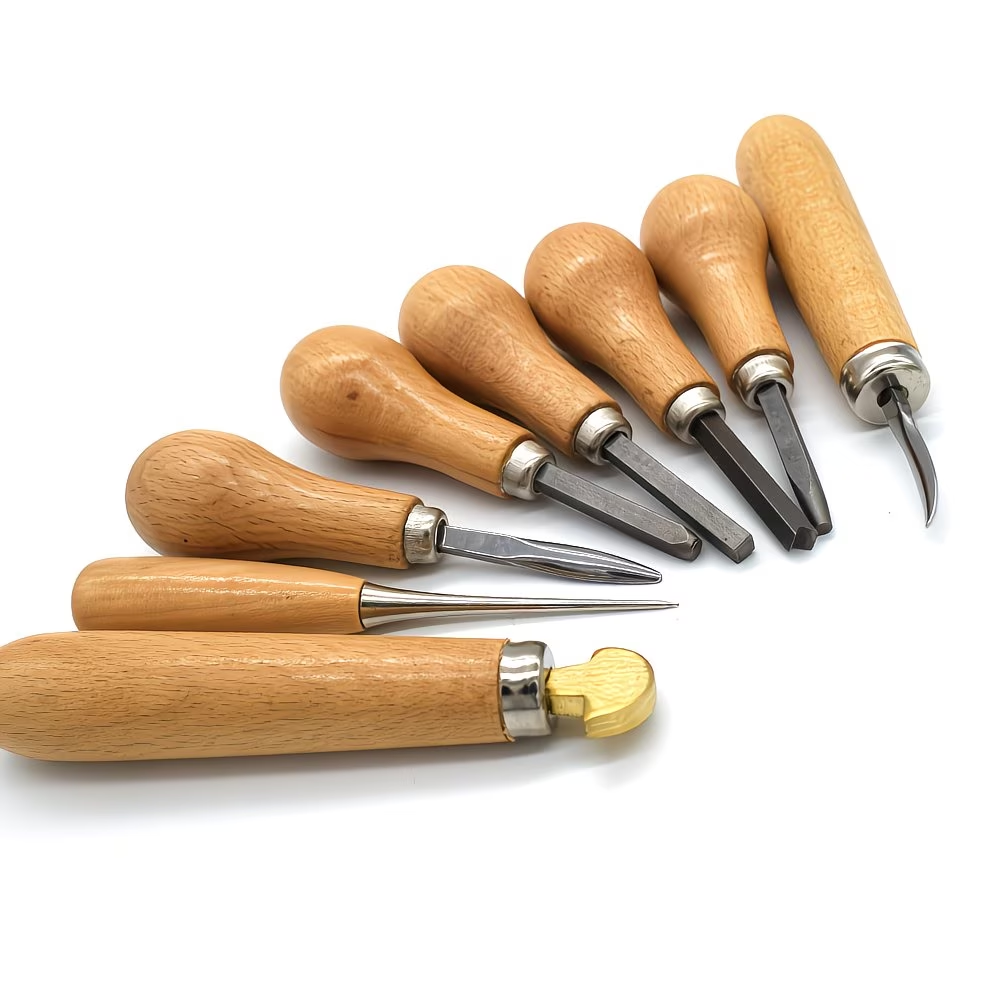
What Clean Burnishing Really Means
Clean bezel burnishing is not about brute force. The goal is smooth, even metal compression around the stone without scratches, wrinkles or pressure imbalance.
A properly burnished bezel should look controlled and stable rather than heavily forced into place.
Preparation Matters More Than Force
Many burnishing problems begin before the tool even touches the bezel.
Poor preparation often causes:
- wrinkled walls
- uneven compression
- stone movement
- surface scratches
- tilted stones
Before burnishing begins, confirm:
- the stone sits level
- the seat is stable
- the bezel wall height is even
- the wall is not excessively tall
- the metal surface is clean
Fine Silver Is Easier To Burnish
Fine silver compresses more smoothly than sterling silver and usually requires less pressure during setting.
Sterling silver has more springback and resists movement more strongly.
Keep Burnishers Highly Polished
Burnishers transfer surface texture directly into soft silver.
Scratched or dirty tools can leave marks immediately during compression.
- inspect tools under strong light
- remove metal dust regularly
- polish worn burnisher tips
- avoid rough edges
- keep surfaces smooth and clean
Work Gradually Around The Stone
One of the biggest mistakes is forcing one side completely down before the rest of the bezel is partially seated.
This creates uneven pressure and increases wrinkle risk.
- move slowly around the bezel
- compress in stages
- use moderate pressure
- watch for stone movement
- keep pressure balanced
Watch For Wrinkling Early
Small folds usually begin forming before large wrinkles become visible.
Early warning signs include:
- sharp compression lines
- uneven wall movement
- sudden resistance changes
- small waves near the edge
- metal folding inward
Use Controlled Tool Angles
Burnishing angle changes how pressure travels through the bezel wall.
Excessively steep angles can push the metal downward too aggressively instead of flowing it smoothly toward the stone.
Check Reflections Constantly
Reflections under directional bench lighting reveal distortion very quickly.
Rotate the piece often and inspect:
- wall symmetry
- surface scratches
- pressure balance
- high spots
- wrinkling

Soft Stones Need Extra Care
Delicate stones such as opal, turquoise and amber require lighter pressure and slower compression.
Excessive force can crack or bruise softer materials even when the bezel itself appears clean.
- avoid sudden force
- use highly polished tools
- check movement constantly
- burnish gradually
- avoid slipping tools
Quick Diagnosis Table
| Problem | Likely Cause |
|---|---|
| Scratches on bezel surface | Rough or dirty burnisher |
| Wrinkled bezel edge | Uneven pressure or excessive height |
| Stone shifts during setting | Poor seat support |
| Uneven wall compression | Aggressive one-sided burnishing |
| Visible distortion after polishing | Geometry problems before setting |
Related Bezel Guides
Final Thoughts
Clean burnishing depends more on preparation and pressure control than raw force. Stable geometry and gradual compression usually produce smoother and more professional bezel settings.
The best burnishing work often feels controlled, predictable and calm throughout the entire setting process.