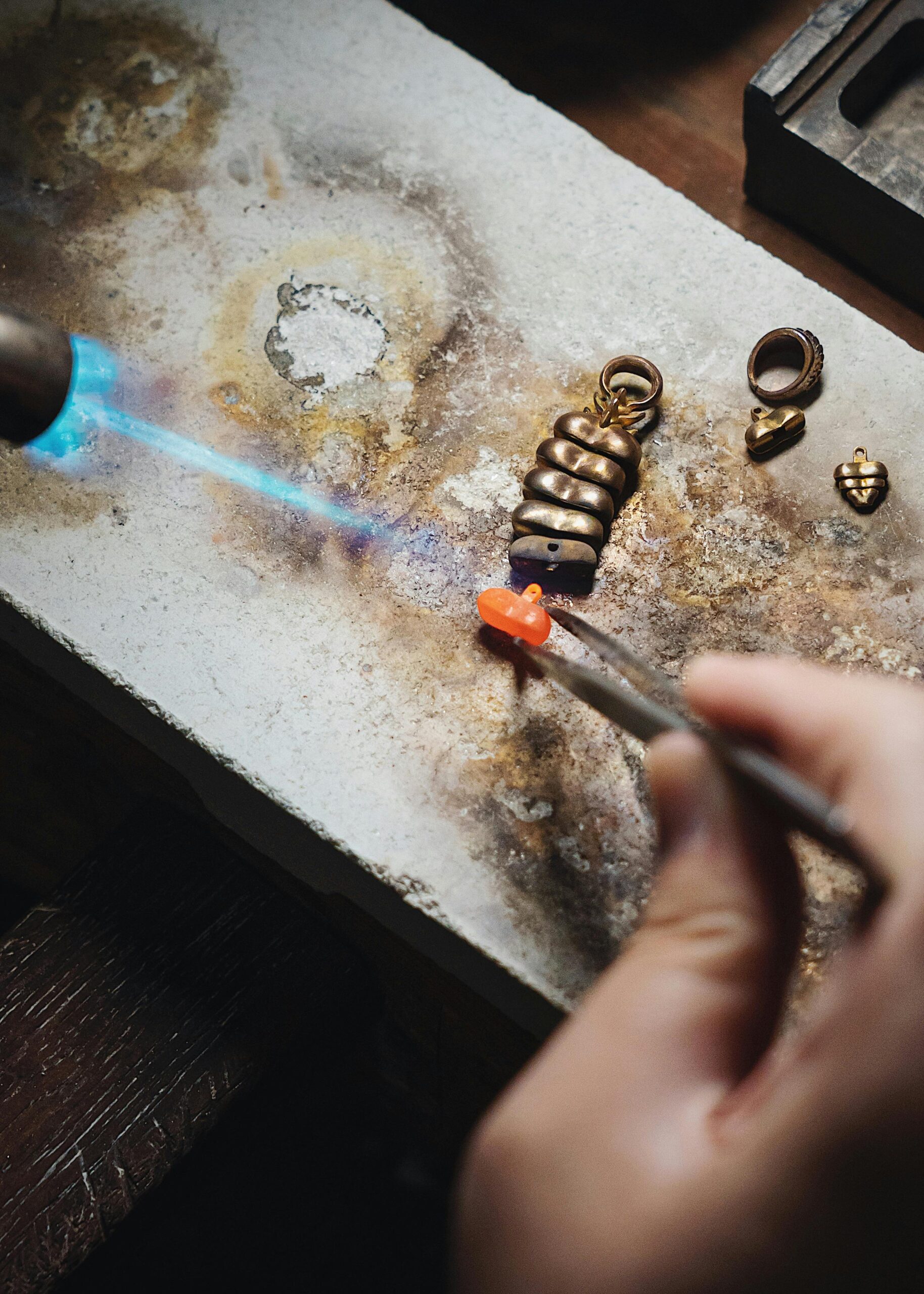
What Is Porosity?
Porosity refers to small voids, pits or trapped gas pockets inside or near the surface of metal.
In jewelry fabrication, porosity often becomes visible only after sanding and polishing reveal the surface more clearly.
Overheating Is A Major Cause
Excessive heat exposure can damage silver structure and increase the likelihood of porosity during soldering.
Common overheating problems include:
- prolonged torch exposure
- localized overheating
- excessive flame intensity
- repeated reheating cycles
- poor heat distribution
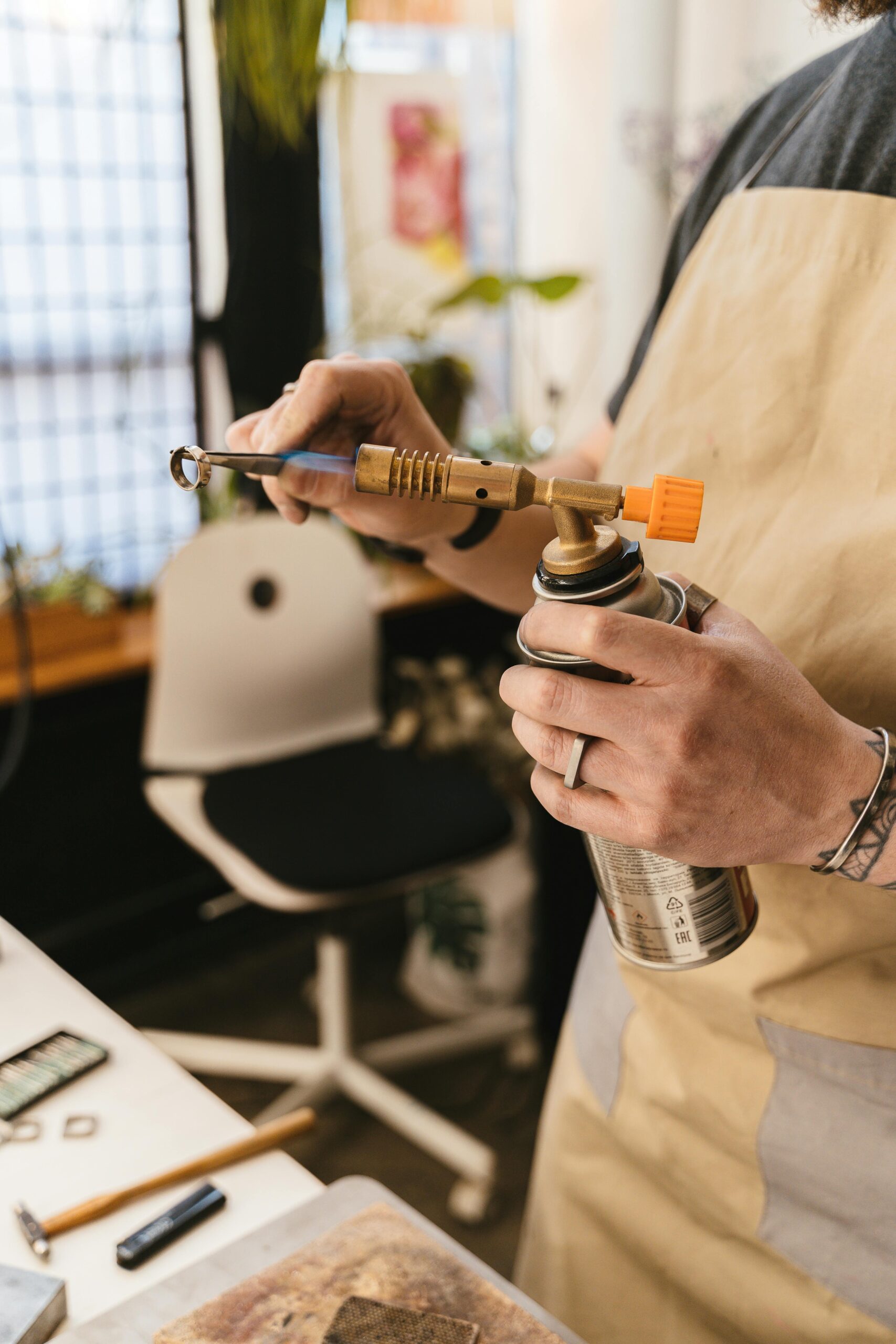
Contamination Can Create Gas Pockets
Dirt, oils and contamination on the metal surface can interfere with clean soldering behavior.
Common contamination sources include:
- finger oils
- dirty solder scraps
- old polishing compounds
- flux residue
- oxidized metal surfaces
Repeated Heating Weakens Metal Structure
Multiple soldering cycles increase oxidation and thermal stress inside the silver.
Jewelry repairs and repeated adjustments often increase the chance of:
- surface porosity
- fire scale
- grain growth
- surface roughness
- weak solder seams
Porosity Often Appears After Polishing
Before polishing, small pits may remain hidden under oxidation or rough texture.
Once the surface becomes reflective, porosity becomes easier to detect under directional lighting.
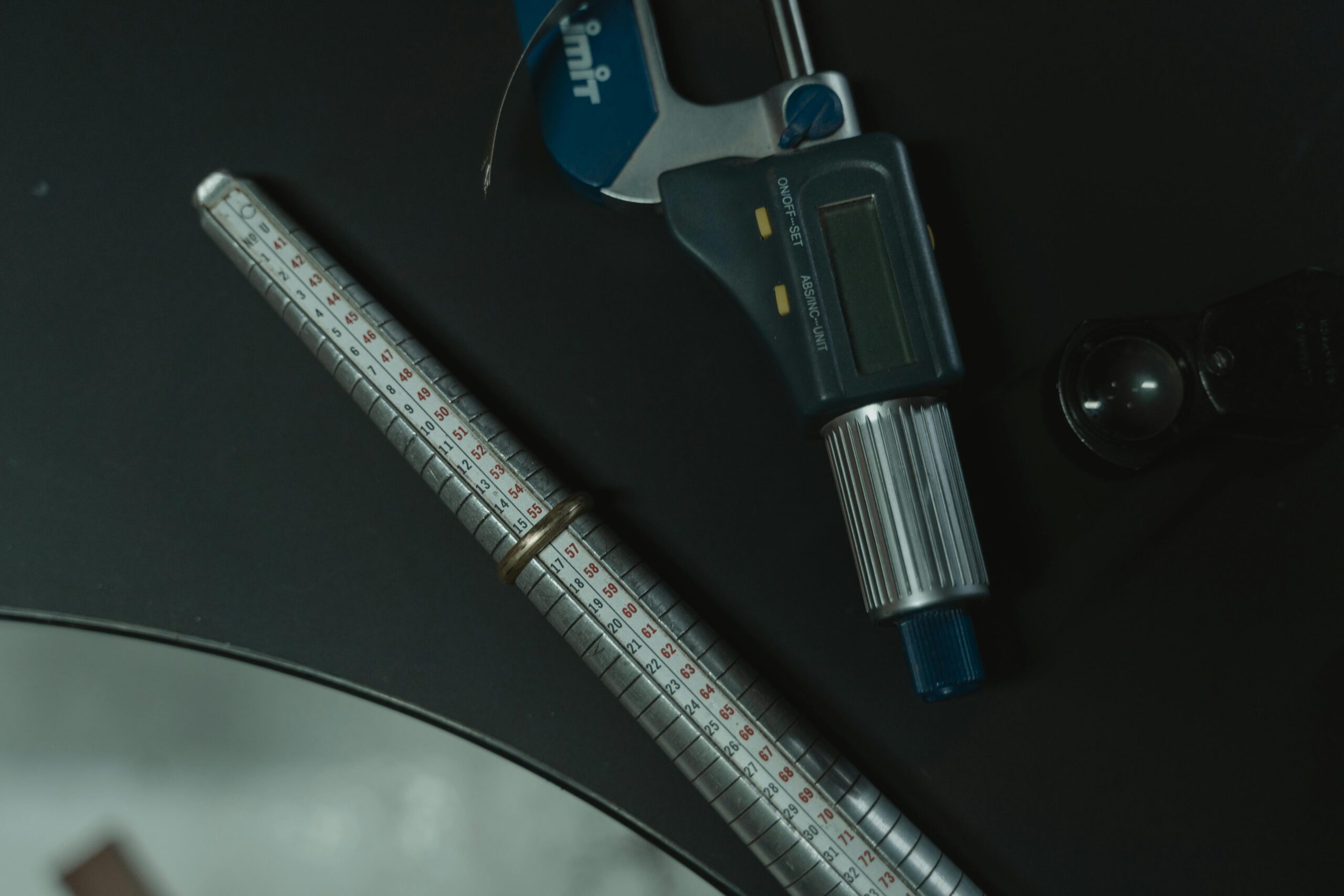
Large Solder Masses Increase Risk
Excessive solder usage can create uneven cooling and trapped gas areas.
Large solder blobs often require heavy cleanup afterward and may hide internal porosity defects.
- uneven cooling
- trapped impurities
- surface shrinkage
- rough seam transitions
Surface Inspection Is Important
Professional jewelers inspect reflections constantly during finishing.
Rotate the piece under directional light and inspect:
- small surface pits
- rough reflections
- tiny holes
- grainy texture
- uneven polish behavior
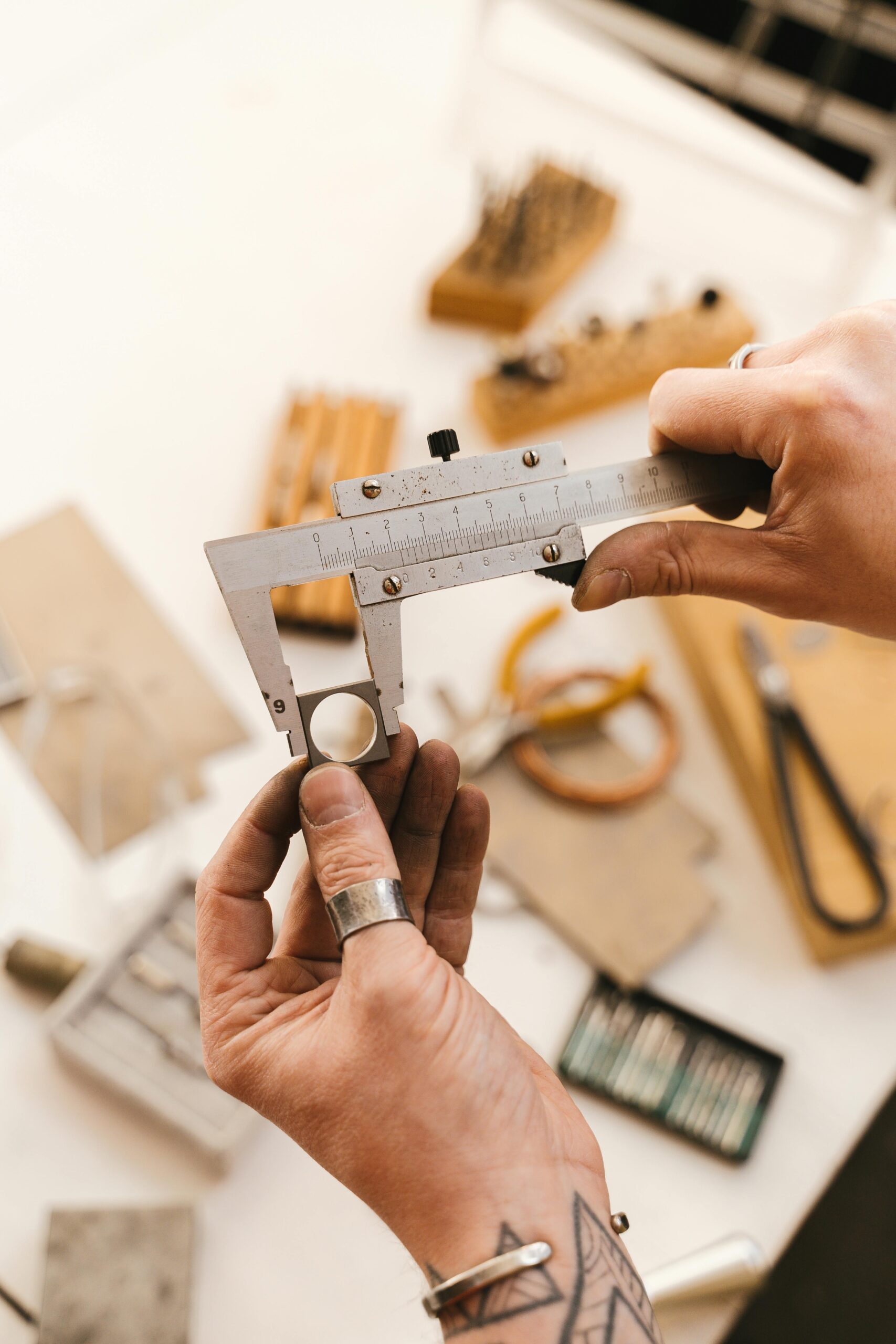
Quick Diagnosis Table
| Problem | Likely Cause |
|---|---|
| Small pits after polishing | Surface porosity |
| Grainy reflective surface | Overheating during soldering |
| Tiny holes near seams | Contamination or trapped gas |
| Repeated rough texture | Multiple reheating cycles |
| Uneven seam appearance | Excessive solder buildup |
How Professionals Reduce Porosity
Professional soldering usually focuses on minimizing contamination and controlling heat exposure carefully.
- clean metal preparation
- controlled heating
- minimal solder usage
- reduced reheating cycles
- careful surface refinement
Related Soldering Guides
Final Thoughts
Porosity in silver jewelry is usually connected to overheating, contamination or unstable soldering conditions.
Cleaner preparation, controlled heating and careful finishing usually reduce surface defects dramatically during jewelry fabrication.