What Is Silver Solder?
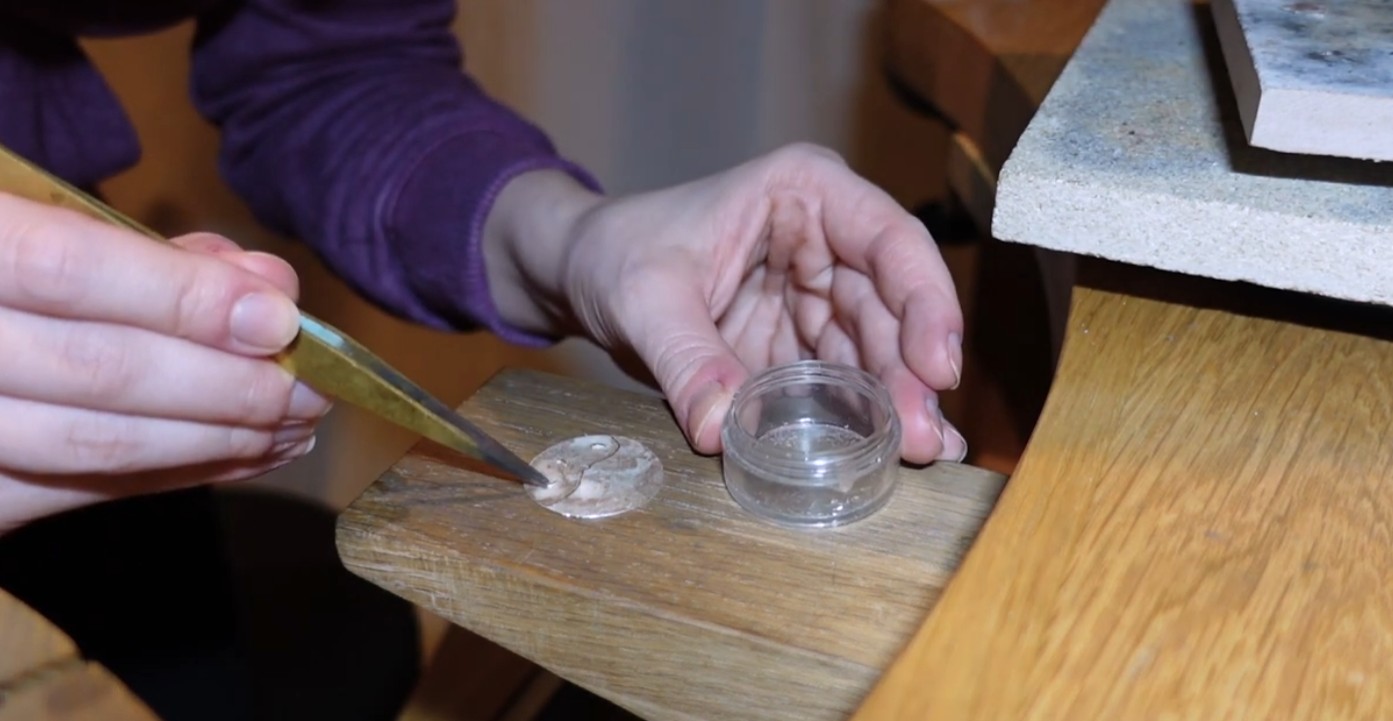
Silver solder is a metal alloy used to join silver components during jewelry fabrication. It melts at a lower temperature than sterling silver itself, allowing jewelers to create strong seams without melting the entire piece.
Different types of silver solder flow at different temperatures. This allows multiple soldering operations to happen on the same piece when the soldering order is planned carefully.
The Main Types Of Silver Solder
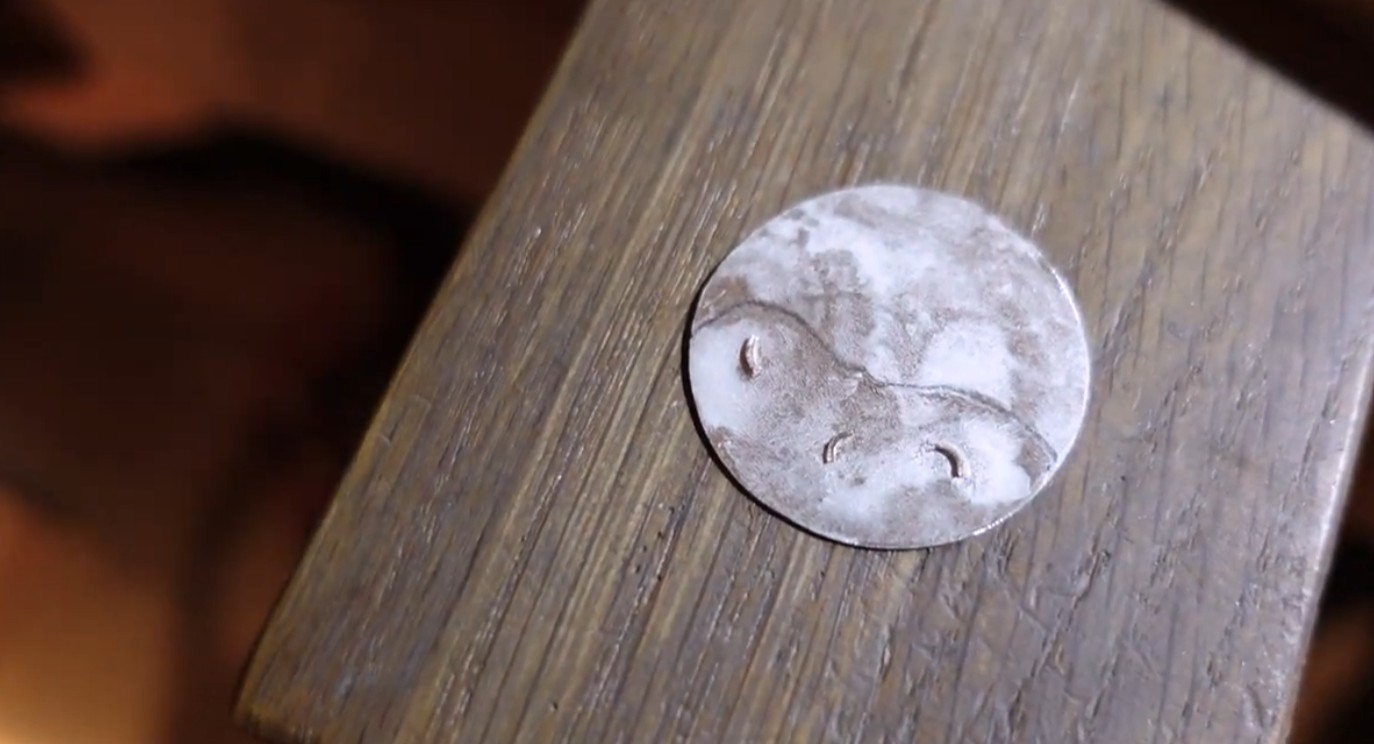
Jewelry makers typically use three main silver solder grades: hard solder, medium solder and easy solder. Each grade flows at a different temperature and is chosen based on where you are in the fabrication sequence.
The usual idea is simple: use the highest-flow solder first, then move to lower-flow solder for later steps.
Why Different Solder Types Matter
Multiple solder grades allow jewelers to solder complex pieces in stages without re-melting earlier seams. This matters when a project has more than one joint.
For example, a ring shank may first be soldered with hard solder. Later decorative elements, bezels or small attachments can then be joined with medium or easy solder so the original seam is less likely to open again.
Silver Solder Sheet, Wire And Paste
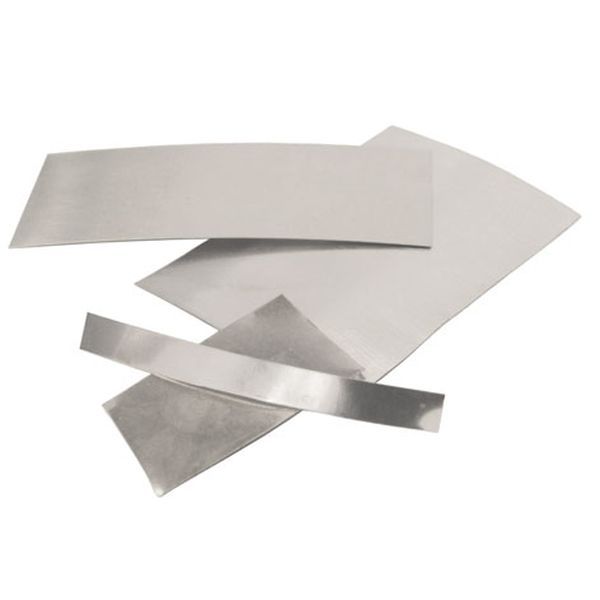
Silver solder is commonly sold as sheet, wire or paste. Many jewelers prefer sheet solder because it can be cut into small, consistent chips for controlled placement.
Wire solder is convenient for some applications, while paste solder combines solder and flux and is often used for production work or difficult-to-reach joints.
Hard Silver Solder
Hard solder has the highest flow temperature of the common silver solder grades. It is usually used for the first structural seams during fabrication.
Because hard solder flows at a higher temperature, later soldering operations can often happen with medium or easy solder without disturbing the original hard-soldered seam.
Medium Silver Solder
Medium solder flows at a slightly lower temperature than hard solder. It is commonly used during middle fabrication stages after initial seams are completed.
Many jewelers use medium solder when attaching bezels, decorative elements or secondary structural parts. It gives a useful balance between strength, control and lower reflow risk.
Easy Silver Solder
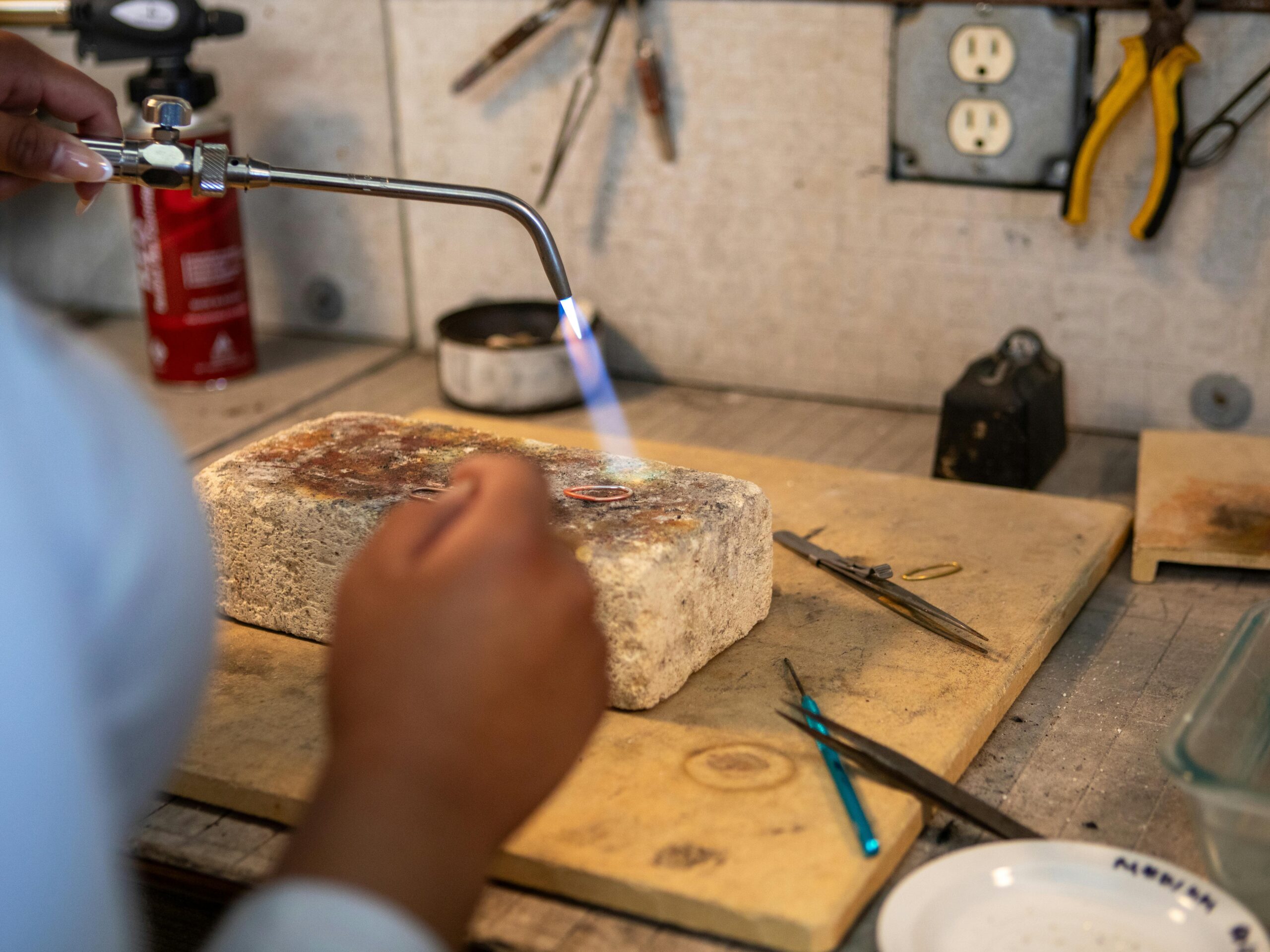
Easy solder has the lowest flow temperature of the standard solder grades. It is commonly used for final soldering operations, repairs and delicate attachments.
Because it melts more easily, it can help reduce the risk of disturbing previous seams. But easy solder should not automatically be treated as better or more beginner-friendly.
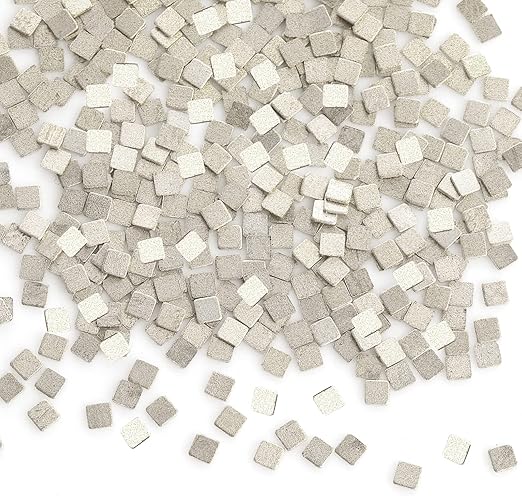
Cutting Solder Chips
Many jewelers cut small solder chips from sheet solder before soldering. Small solder pieces provide better control and cleaner seams than large pieces.
Using too much solder often creates unnecessary cleanup work, visible excess metal and uneven reflections.
Why Flux Matters In Silver Soldering
Flux helps protect silver from oxidation while improving solder flow during heating. Without flux, solder may not flow properly across the seam.
Proper flux application is one of the most important parts of clean jewelry soldering. Flux should be applied before heating begins and should cover the seam area well.
How Solder Flows
Solder flows toward heat. During jewelry fabrication, the goal is to heat the metal evenly until the solder flows through the seam.
Beginners often focus too much heat directly on the solder itself instead of heating the surrounding metal. That can cause solder to ball up, jump away or sit on the surface.
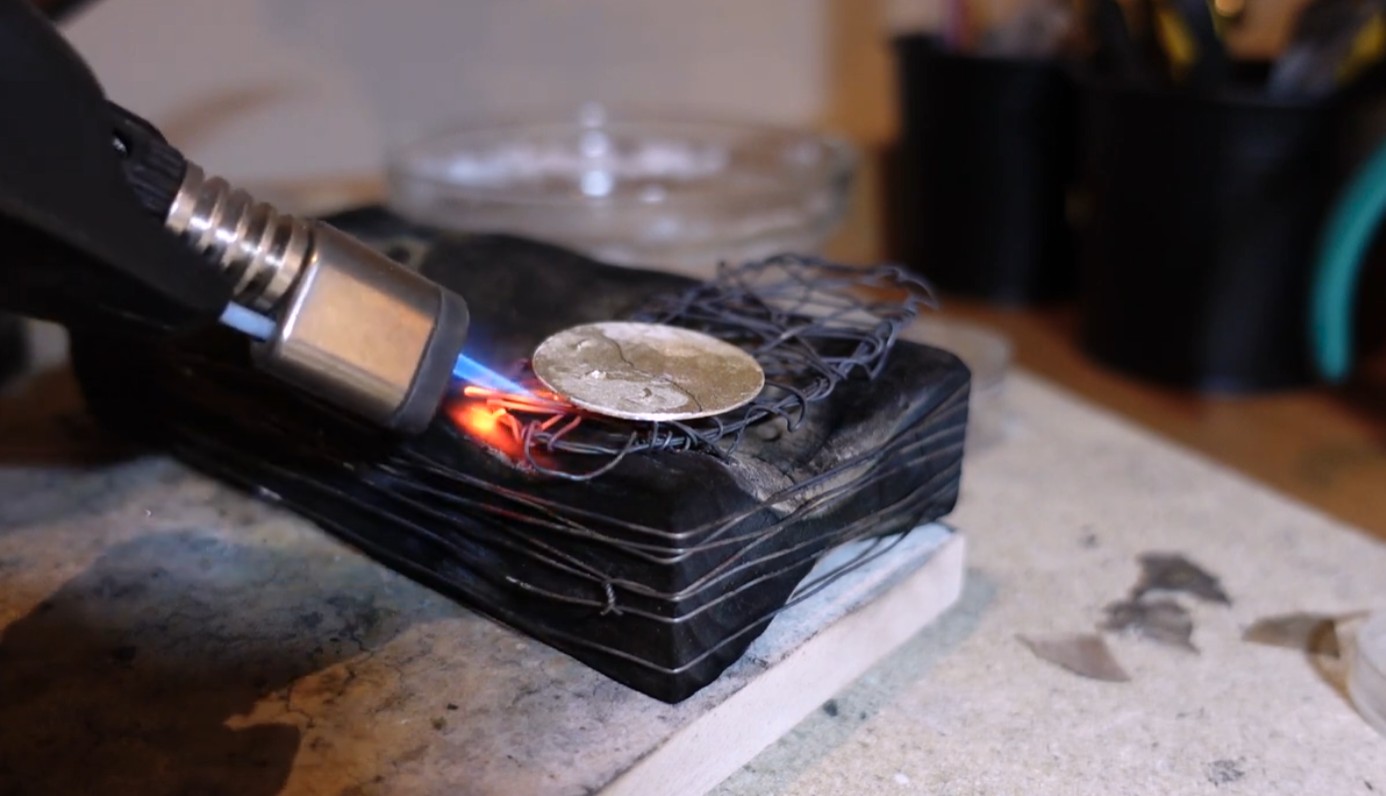
Common Silver Soldering Mistakes
Most silver soldering problems are caused by preparation, solder quantity, solder order or heat control. Before changing solder type, check whether the seam itself is clean and tight.
Planning Multiple Soldering Operations
Complex jewelry fabrication often requires several separate soldering operations. Using solder grades in the correct sequence helps protect earlier seams from re-melting.
This planning process becomes especially important in stone setting, layered fabrication and complex ring construction.
Choose The Solder Grade Before You Light The Torch
Understanding solder grades improves seam quality, fabrication planning and overall control. Even simple silver rings become easier to fabricate when hard, medium and easy solder are used in the right order.
Keep Building The Silver Solder Workflow
These guides connect solder grades to ring seams, solder flow, general soldering mistakes and solder flooding.