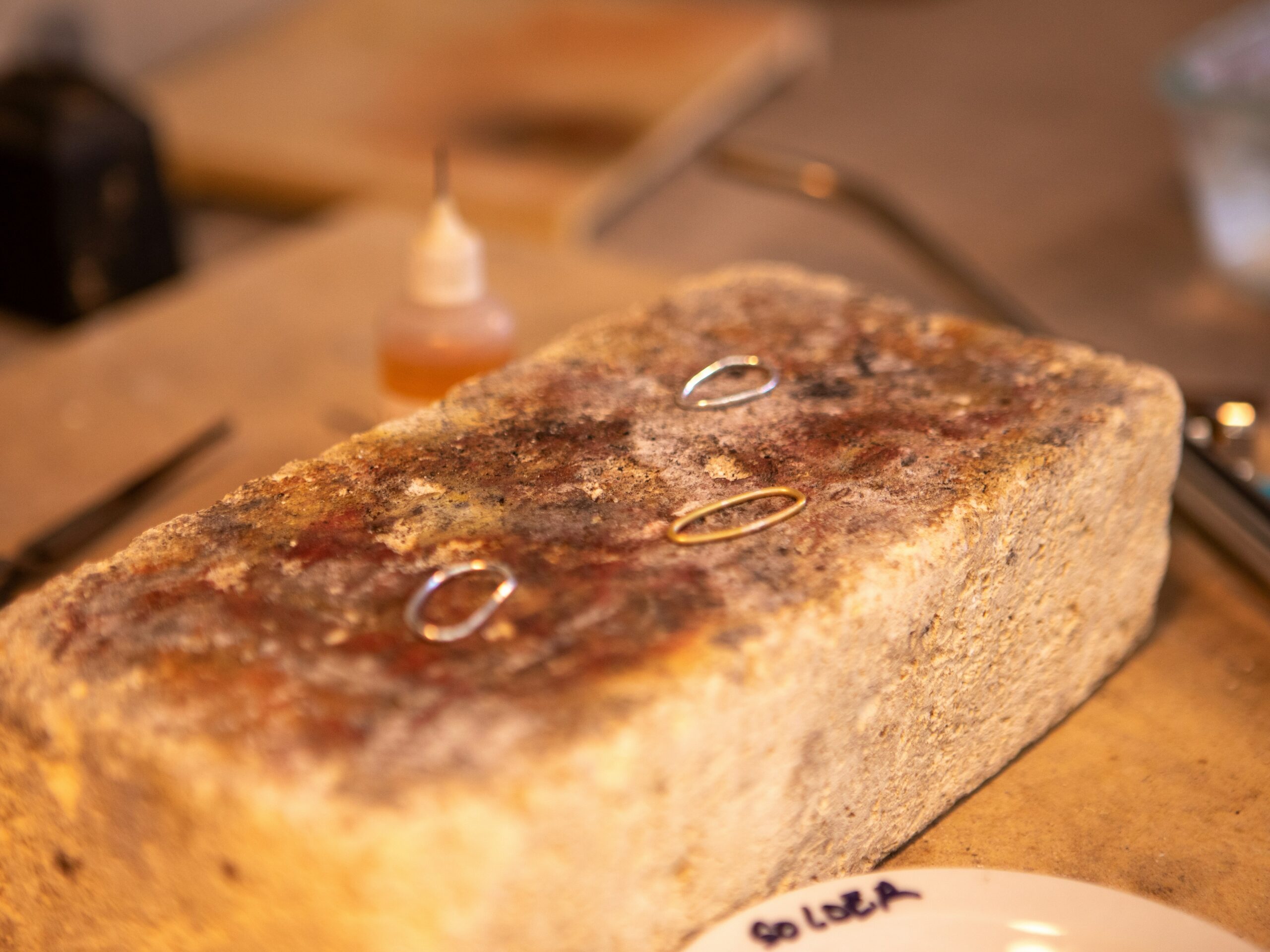
Why Silver Overheats Easily
Silver conducts heat extremely efficiently. Heat moves rapidly through the metal, making temperature control difficult for inexperienced jewelers.
Thin silver components become especially vulnerable once they approach soldering temperature.
Common Signs Of Overheating
Overheated silver often develops visible surface and structural problems.
- heavy fire scale
- dull grey surfaces
- surface pitting
- warping
- collapsed edges
- melted details
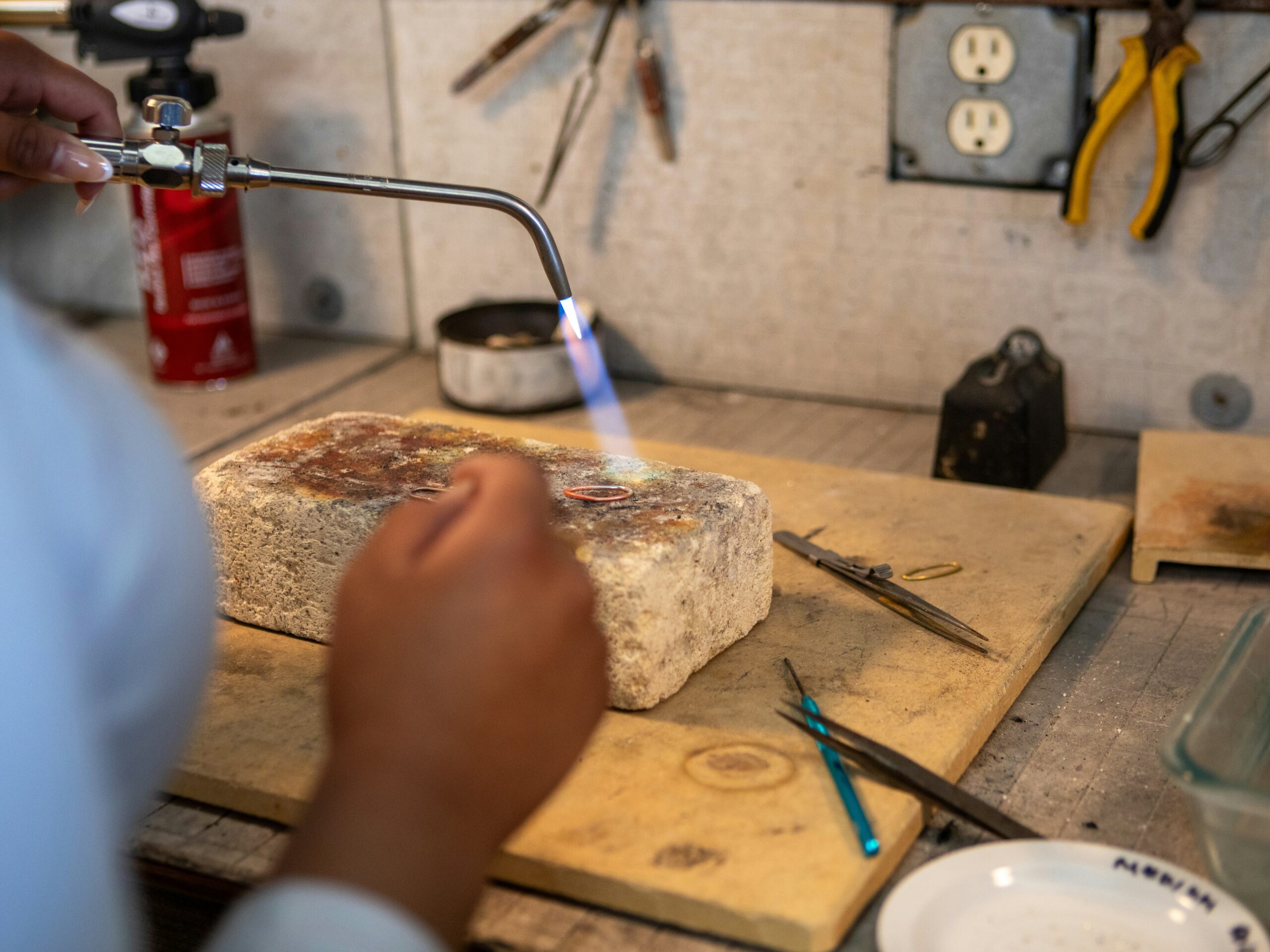
Heat The Entire Piece Gradually
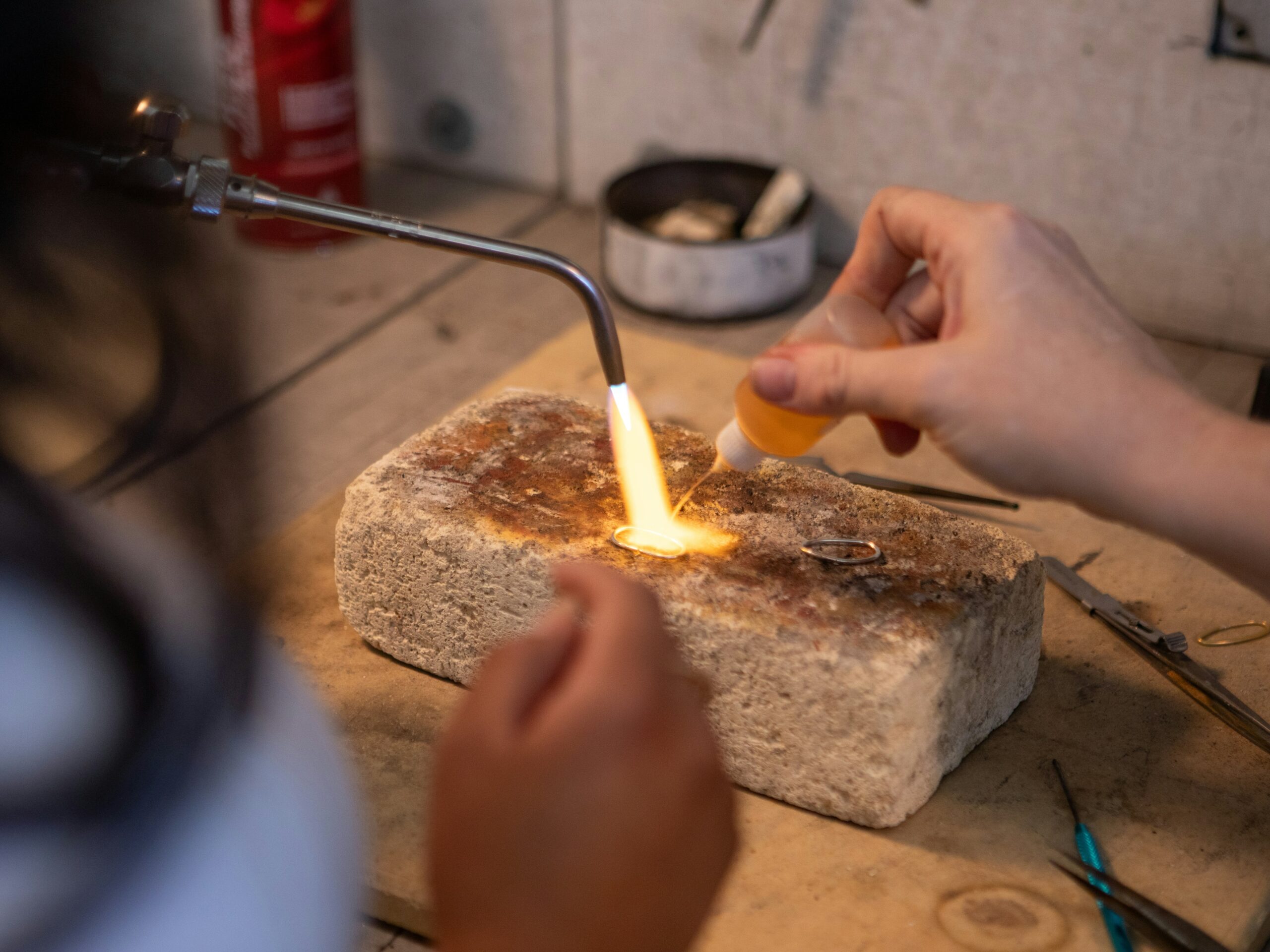
Concentrating the torch in one small area too early often causes localized overheating.
Professional jewelers usually:
- preheat larger areas first
- move the torch continuously
- heat evenly across the piece
- avoid stationary flame exposure
Thin Silver Requires Extra Control
Thin bezels, backplates and lightweight rings can overheat extremely quickly.
These parts often require:
- smaller torch tips
- lower flame intensity
- shorter heating cycles
- careful flame distance
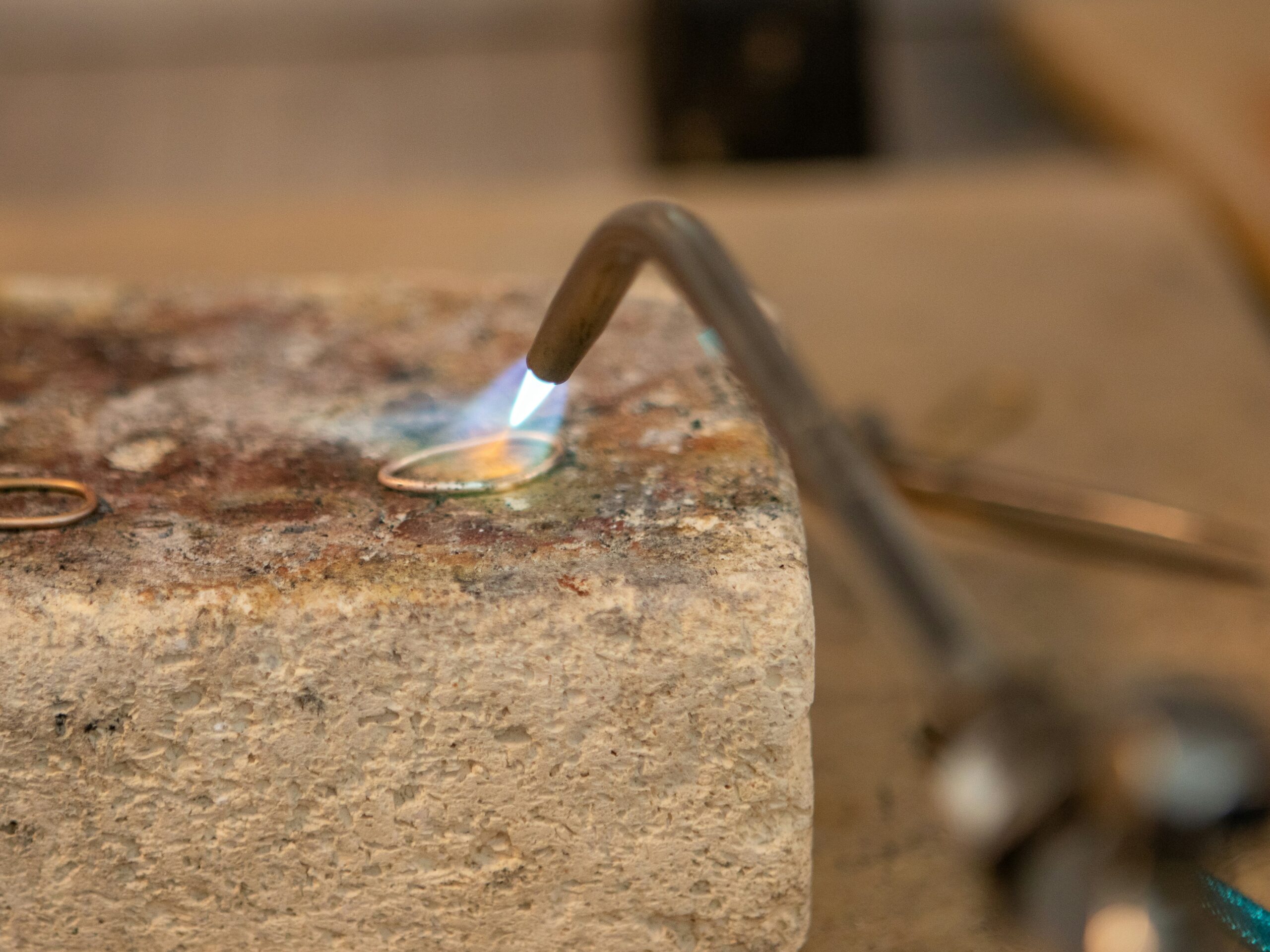
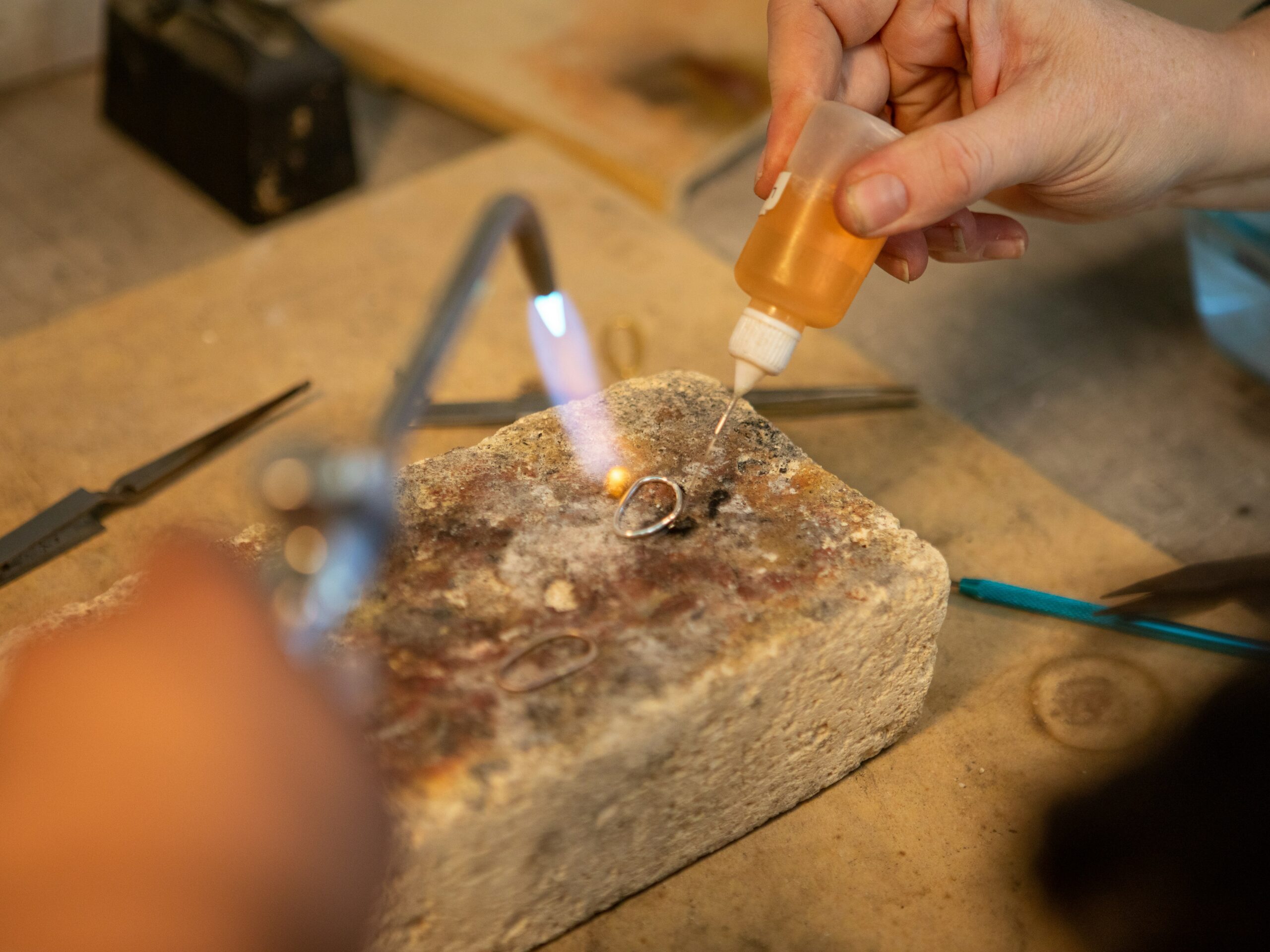
Flux Helps Protect Silver
Proper flux application helps reduce oxidation and improves soldering behavior.
Flux also provides visual feedback during heating because it changes appearance as temperatures rise.
- dry flux indicates rising heat
- clear glossy flux approaches soldering range
- burned flux may indicate overheating
Watch The Metal Carefully
Silver gives visual clues before overheating becomes severe.
Watch for:
- surface color changes
- excessive glow
- slumping edges
- rapid oxidation
- surface dullness
Remove Heat Immediately After Flow
One of the most common mistakes is continuing to heat the piece after solder has already flowed.
Excessive post-flow heating increases the risk of:
- fire scale
- surface porosity
- warping
- weakening fine details
- distorted seams
Quick Diagnosis Table
| Problem | Likely Cause |
|---|---|
| Heavy fire scale | Excessive heating time |
| Warped silver sheet | Uneven heat distribution |
| Surface pitting | Overheating and oxidation |
| Melted bezel edge | Flame concentrated too closely |
| Collapsed detail work | Excessive localized heat |
How Professionals Control Heat
Professional jewelers usually control overheating through timing, flame movement and heat awareness rather than brute torch power.
- controlled torch distance
- continuous flame movement
- gradual preheating
- careful seam observation
- minimal overheating after flow
Related Soldering Guides
Final Thoughts
Avoiding overheating depends mostly on heat awareness, controlled torch movement and understanding how silver reacts at soldering temperatures.
Clean solder seams and stable silver geometry usually come from controlled, efficient heating rather than aggressive torch intensity.