Solder Flows Toward Heat
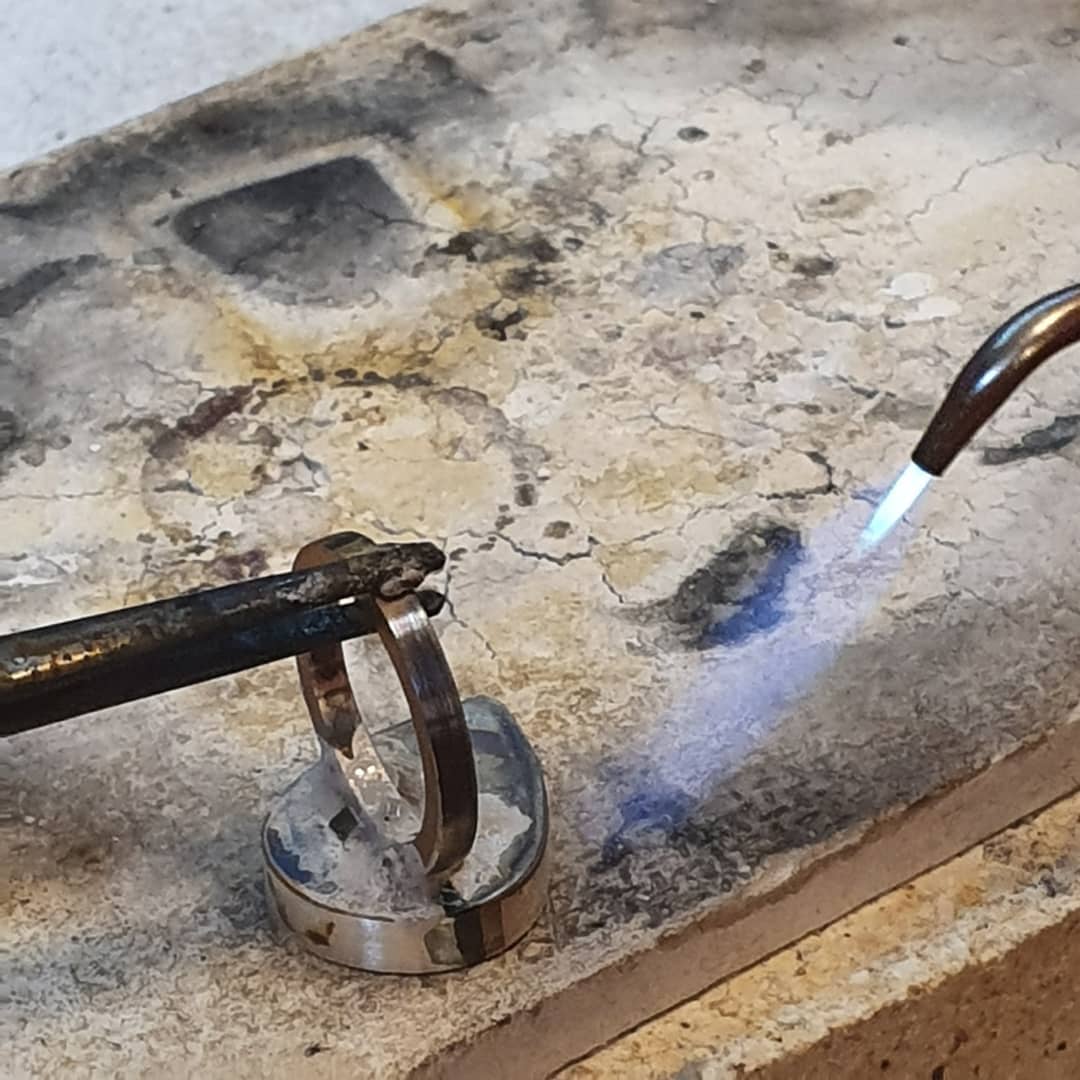
One of the most important soldering principles is that solder flows toward the hottest clean area of the joint. If the seam is not hot enough, solder may ball up, sit on the surface or move toward a different part of the piece.
Many beginners heat the solder itself instead of heating the metal properly. The solder may melt, but it will not flow through the seam unless the surrounding silver is ready to accept it.
Poor Joint Fit Prevents Flow
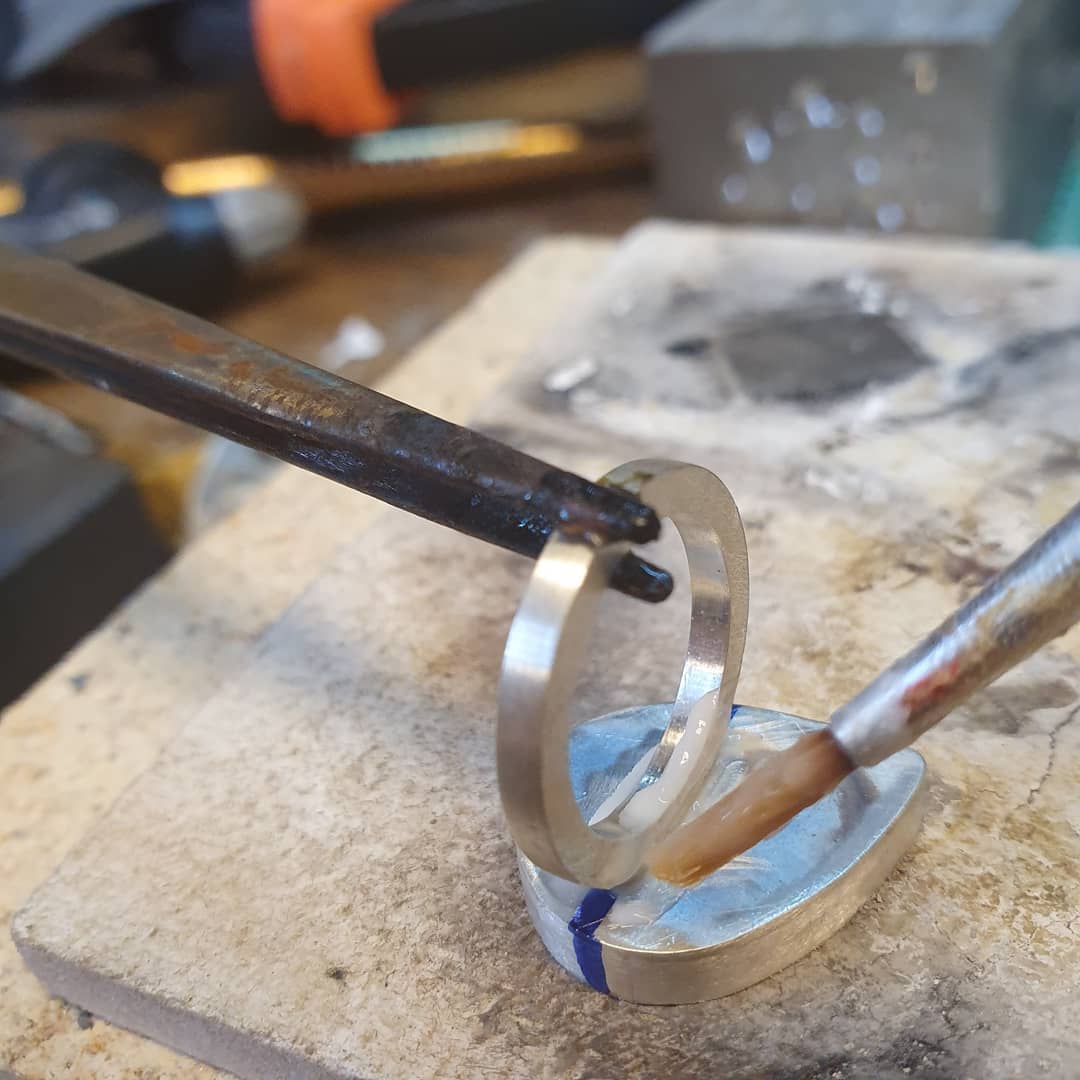
Solder cannot bridge large gaps effectively. Poorly fitted joints often create weak seams, incomplete solder flow or visible solder buildup after cleanup.
A clean seam gives solder a narrow path to follow. A wide or uneven gap gives solder somewhere to puddle, ball up or fail.
Oxidation Blocks Solder Flow
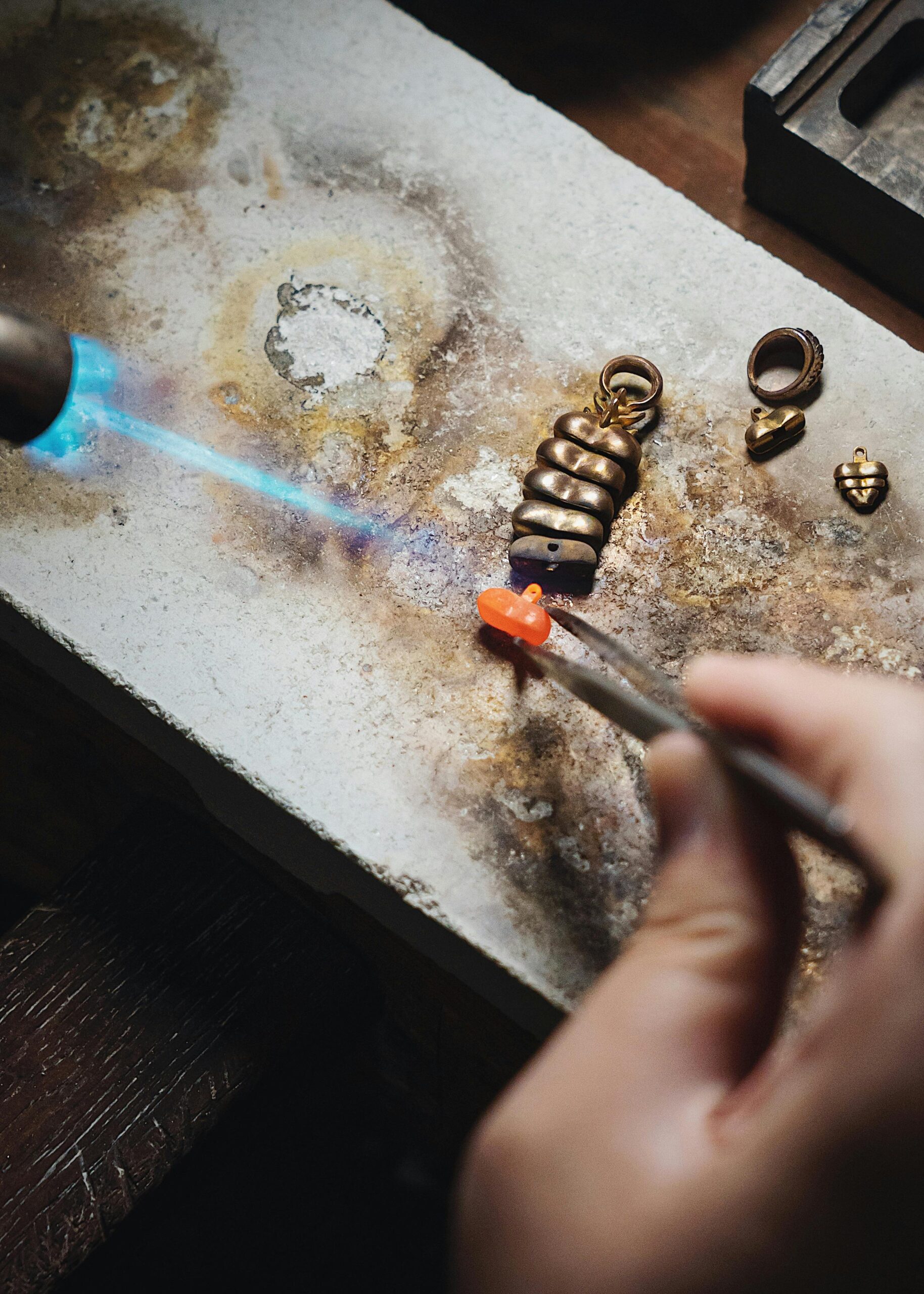
Oxidized silver surfaces resist solder flow and often create patchy, incomplete seams. Even if the solder melts, it may not wet the metal if the surface is dirty or oxidized.
This is why clean preparation and flux matter so much. Silver can oxidize quickly under heat, and solder will avoid areas where the surface condition is poor.
Flux Helps Protect The Joint
Flux reduces oxidation during heating and improves solder flow across the joint. Incomplete flux coverage can leave parts of the seam exposed to oxygen, which makes solder flow less predictable.
Flux should cover the seam and nearby metal before heating begins. The surrounding area matters because solder follows both heat and surface condition.
Uneven Heating Creates Problems
Heating one area too aggressively often prevents the rest of the joint from reaching solder flow temperature. The solder may melt on one side while the actual seam remains too cool.
Uneven heating commonly causes solder balls, partial seam flow, cold joints, uneven seam strength and localized overheating.
The Torch Flame Matters
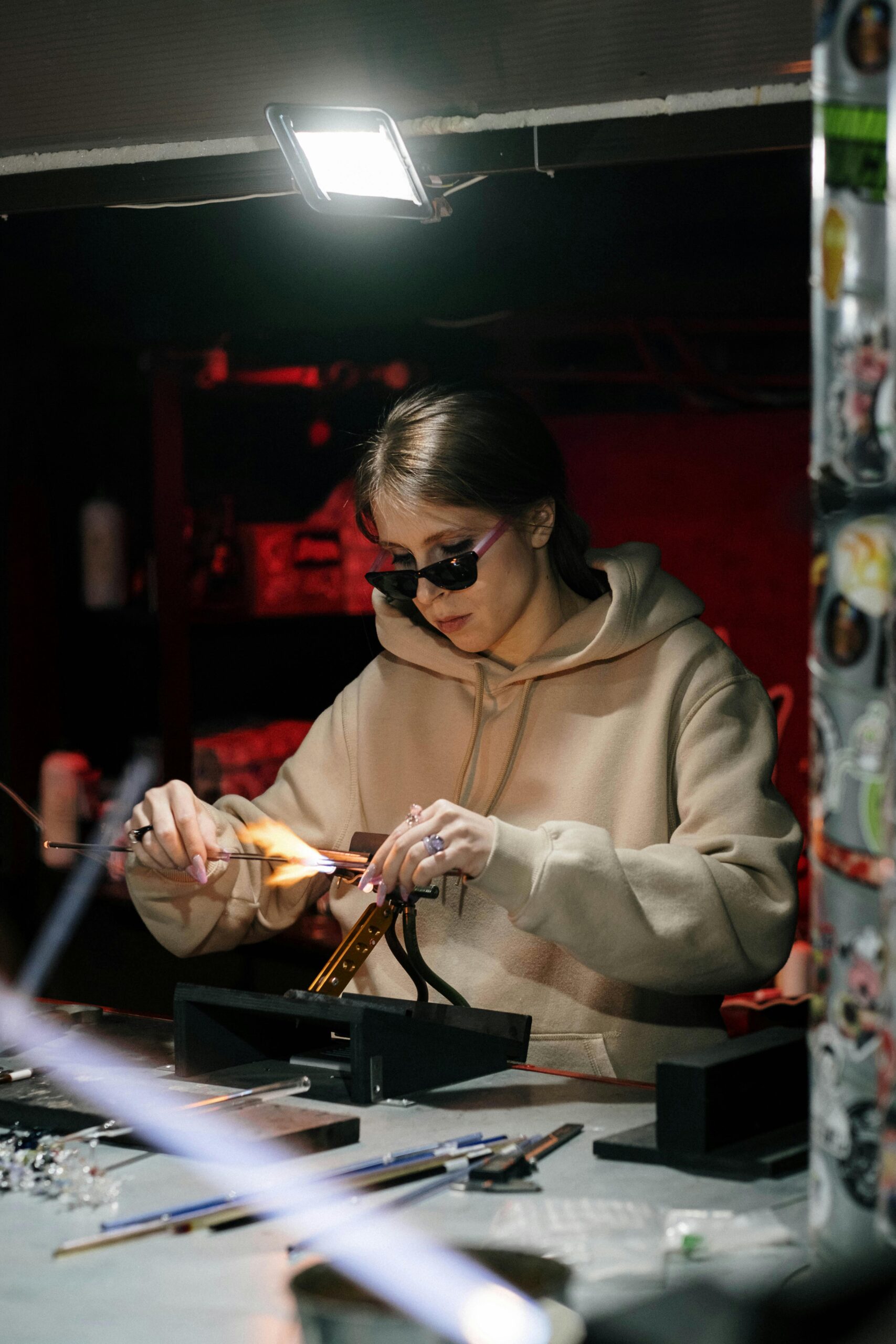
Flame adjustment strongly affects soldering behavior. A poorly adjusted flame can oxidize the metal excessively, heat the joint unevenly or overheat small areas before the seam is ready.
A stable neutral flame usually gives the best control for silver soldering. The flame should help guide heat into the metal, not blast the solder chip directly.
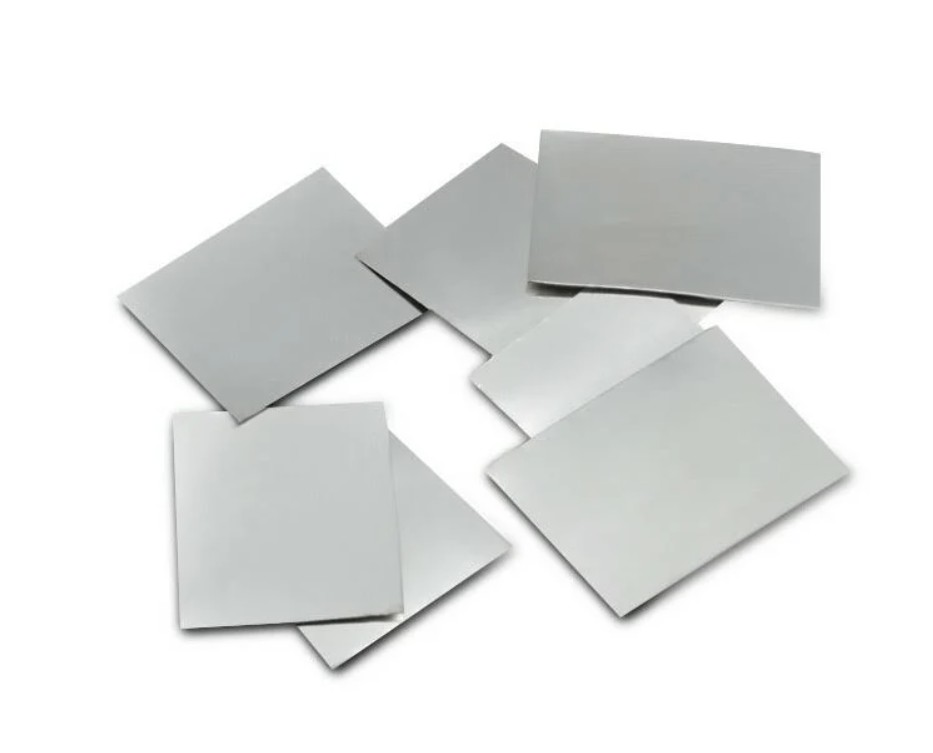
Too Much Solder Creates Messy Seams
Beginners often assume more solder creates stronger joints. In reality, excess solder usually creates large blobs, visible seam lines and extra filing and sanding work.
If the seam is clean and tight, the joint usually needs less solder than you think. Adding more solder rarely fixes dirty metal, poor fit or uneven heat.
Movement During Soldering Breaks Flow
Small movement while the solder is flowing can instantly weaken the seam. Jewelry pieces should remain stable until the solder fully solidifies.
Movement can happen when parts are balanced poorly, clamped under tension or touched too soon after solder flows.
Keep The Joint Stable While Solder Flows
If the joint moves during solder flow, the seam can become weak, grainy or incomplete. Stable support is especially important on small pieces, awkward joins and parts that do not sit flat.
Support should hold the work in alignment without forcing the pieces into a stressed position.
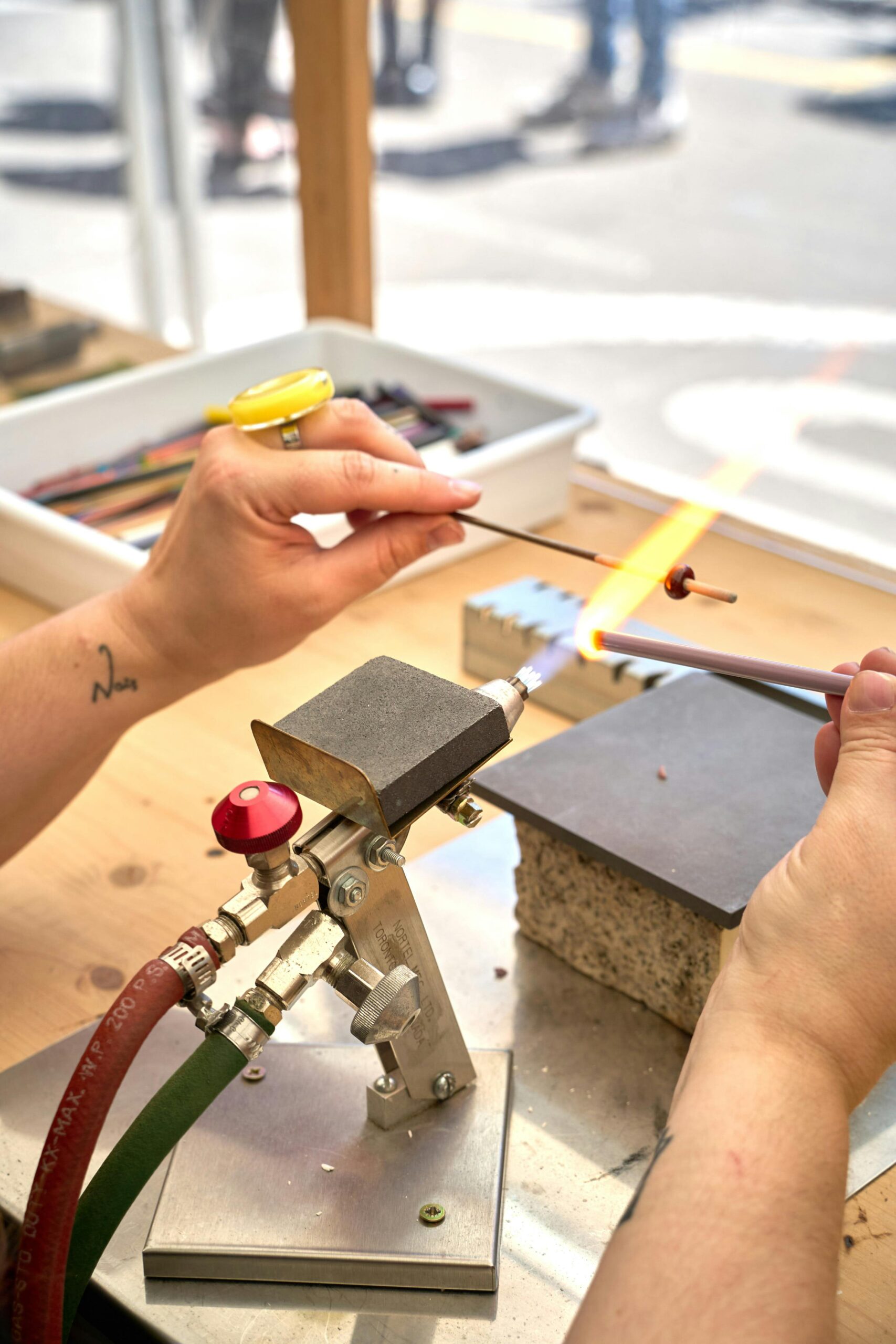
Quick Solder Flow Diagnosis
Poor solder flow usually points to heat imbalance, oxidation, poor seam fit or movement. The visible behavior of the solder gives useful clues.
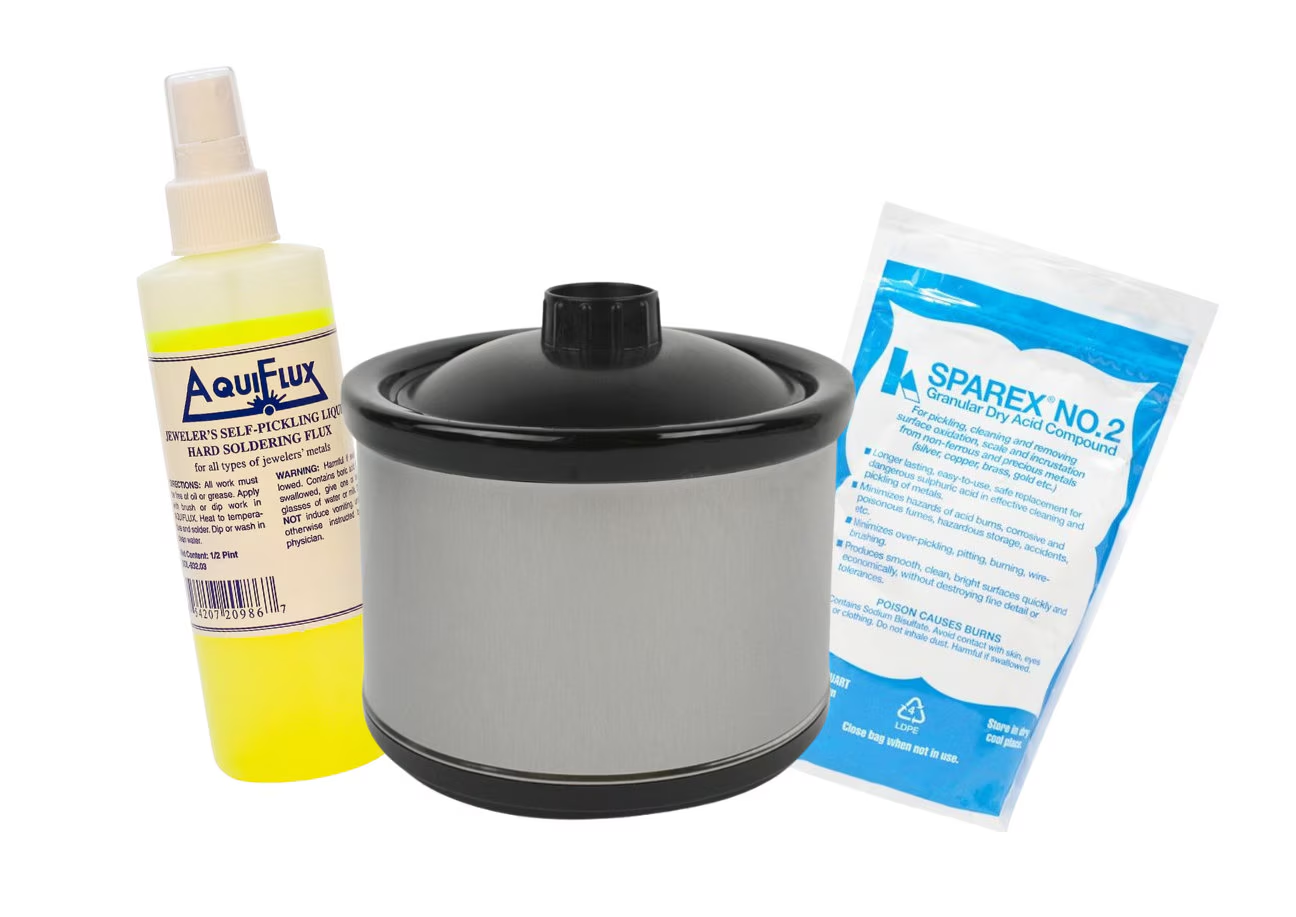
How Professionals Improve Solder Flow
Professional soldering usually focuses on preparation and heat control rather than forcing solder into the joint. When the seam is clean, tight and evenly heated, solder flow becomes much more predictable.
A good soldering workflow makes the seam the place where solder naturally wants to go.
A Cleaner Solder-Flow Workflow
Most solder flow problems can be reduced by improving the seam before the torch is lit, then using heat to guide solder into a joint that is already clean and ready.
Fix The Seam, Surface And Heat Before Adding More Solder
Most solder flow problems are caused by heat imbalance, oxidation or poor preparation rather than defective solder. Clean seams usually come from careful joint fitting, controlled heating and understanding how solder behaves during fabrication.
Keep Building The Solder Flow Troubleshooting Workflow
These guides connect solder flow to general soldering mistakes, torch control, solder movement and third hand support.