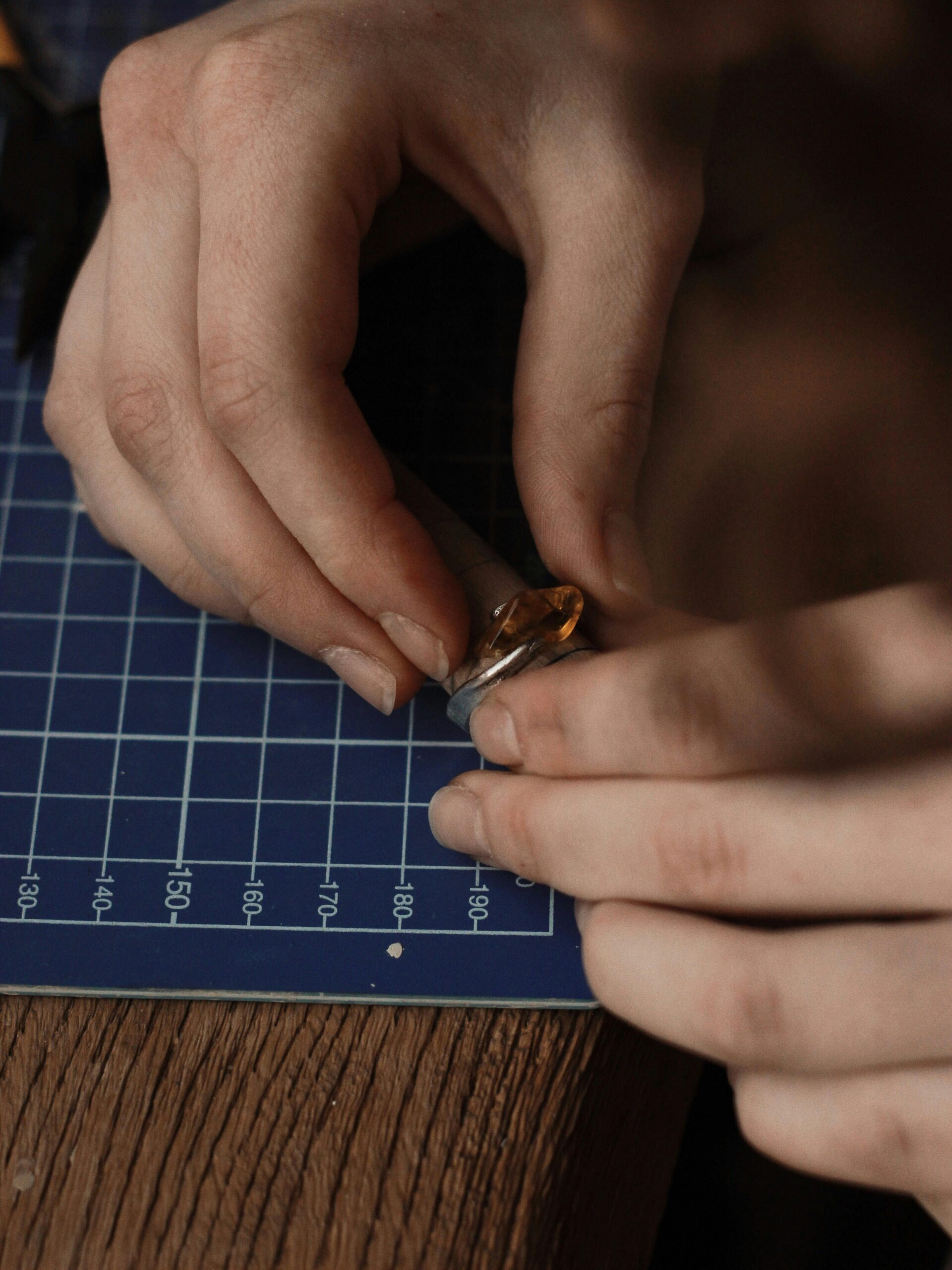
Why Ring Width Matters
Ring width changes how a ring looks, feels and fits on the finger. A narrow ring can feel light and delicate, while a wide ring often feels heavier, more substantial and visually larger.
Before cutting a ring blank, decide how wide the final band should be. Width affects comfort, metal thickness, forming difficulty, edge finishing and sometimes how tight the finished ring feels.
What Is Ring Width?
Ring width is the distance from one edge of the band to the other edge. It is usually measured in millimeters across the face of the ring band.
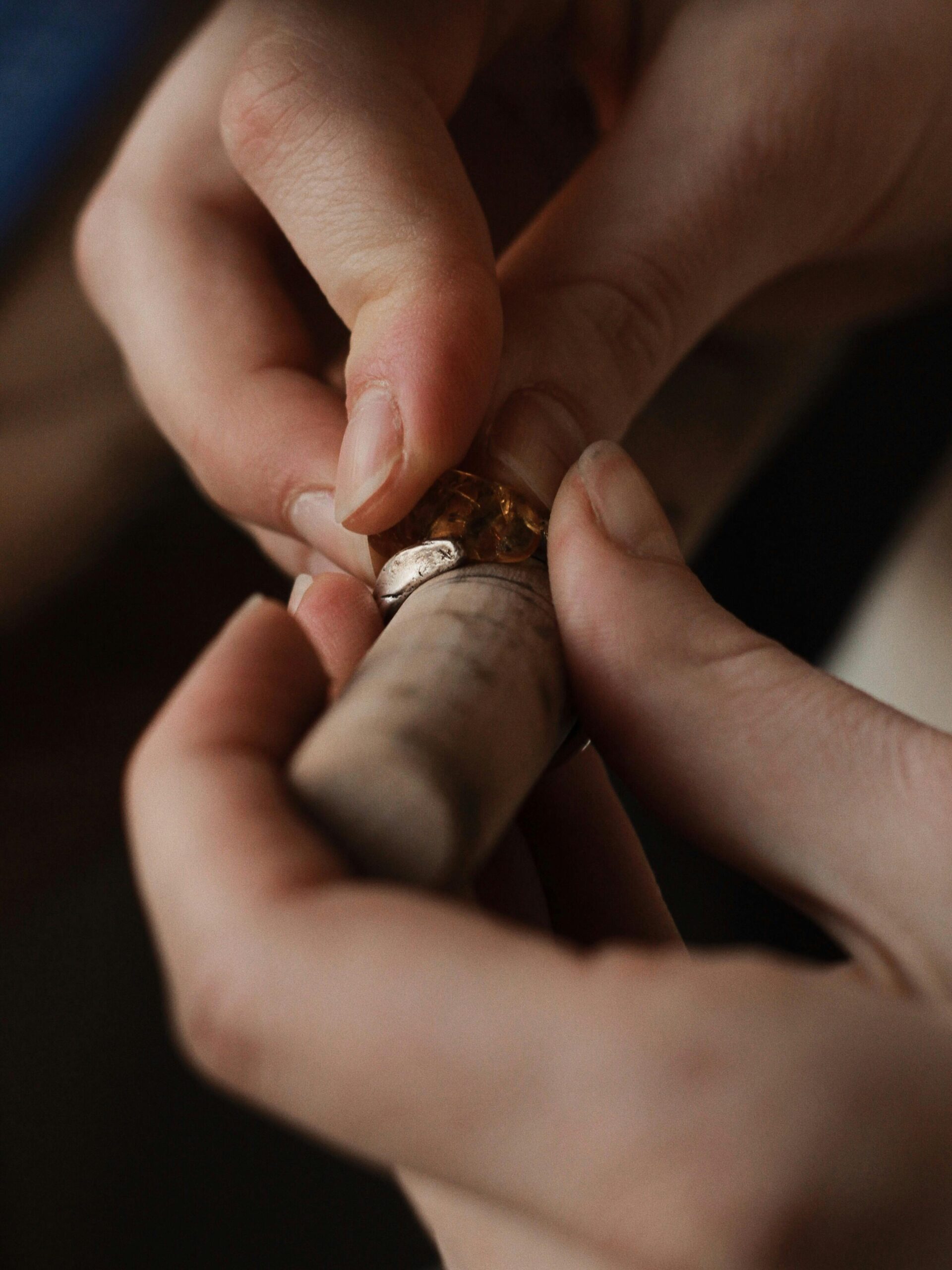
How To Measure Ring Width
The most accurate way to measure ring width is with calipers. Measure straight across the band from one finished edge to the other. When planning a new blank, measure the intended strip width before cutting the metal.
Width And Thickness Work Together
Ring width and metal thickness should be planned together. A wide ring made from very thin metal can feel weak, while a narrow ring made from heavy stock can feel bulky or uncomfortable.
Common Ring Widths In Jewelry Making
Different ring widths create different visual styles and wearing comfort. Use the ranges below as practical starting points, not fixed rules.
How Width Affects Ring Blank Planning
Ring width changes how much material is needed and how the ring behaves during forming. Wider blanks can be harder to bend evenly and may require thicker metal for proper support.
Wide Rings Feel Tighter
Wide rings usually feel tighter on the finger than narrow rings, even when the inside diameter is technically the same. This happens because a wide band covers more finger surface and creates more friction.
Rings around 6 mm wide or wider often need more fit testing and softer edges than narrow stacking rings. This is especially important when the inside of the band is flat rather than rounded.
Plan Comfort Before Final Finish
If a ring will be wide, comfort edges should be part of the design from the beginning. Leaving sharp or square edges on a wide ring can make the correct size feel too tight.
Measure Before Cutting The Ring Blank
Before sawing or cutting metal, mark the intended width carefully using calipers, dividers or layout tools. Consistent width helps create cleaner solder seams, smoother shaping and a more professional finished ring.
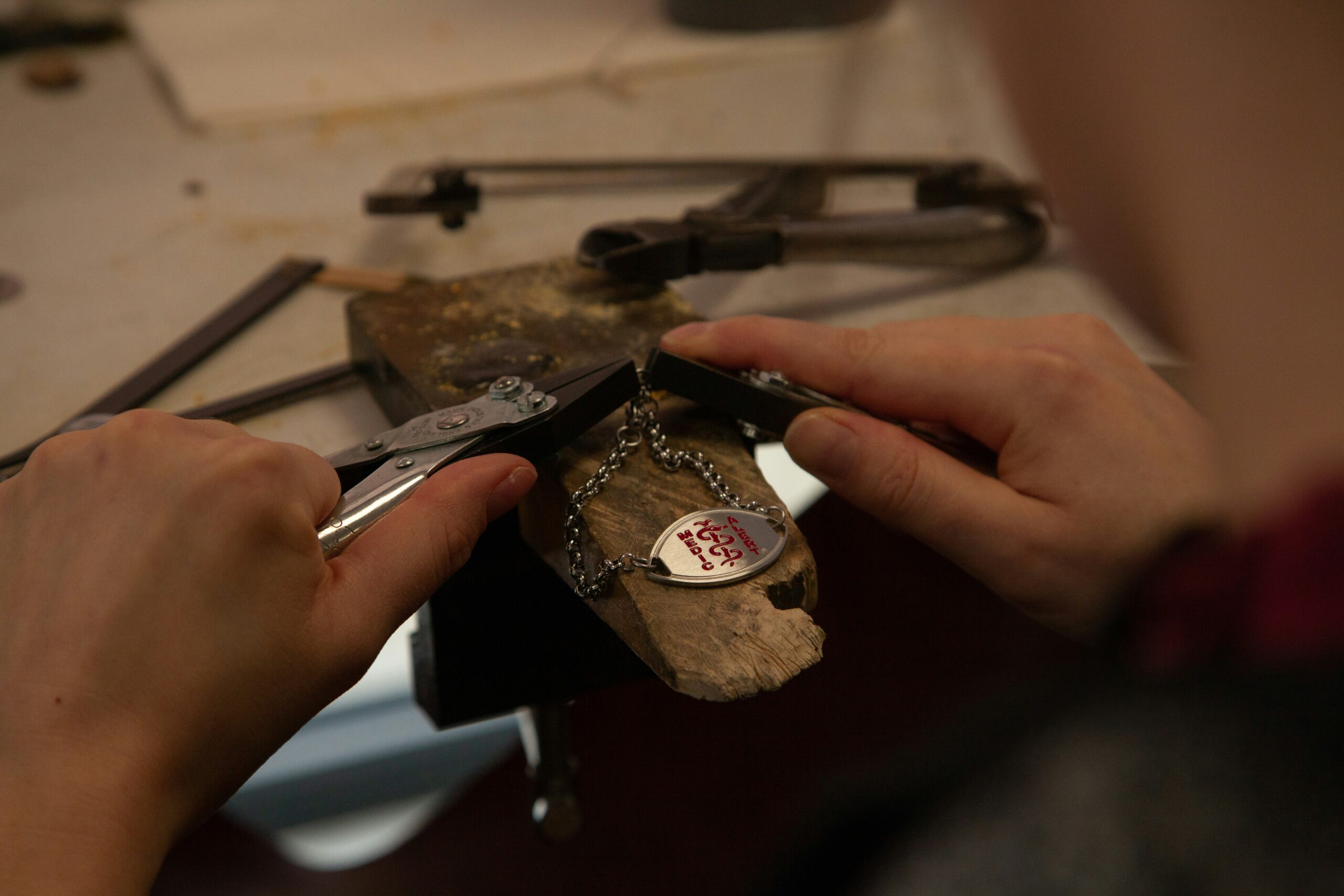
Use Millimeters Instead Of Guessing
Measuring in millimeters gives more predictable results than estimating by eye. Even small width differences become noticeable on finished rings, especially on smooth silver bands and wide designs.
Simple Tools For Width Planning
Ring width planning does not require complicated equipment, but it does require measuring instead of guessing.
Common Ring Width Mistakes
Most width mistakes happen when the ring is planned by appearance only, without enough attention to comfort, strength and finishing.
Use The Calculator After Width Is Chosen
The Jewelry Calculator is most useful after the width, target size and actual metal thickness are known. These values work together when planning a ring blank.
Continue The Ring Blank Workflow
Measure Ring Width Before Calculating The Blank
Decide the ring width first, then choose the metal gauge and calculate blank length using actual measured thickness. This gives better control over comfort, proportions and finished ring quality.