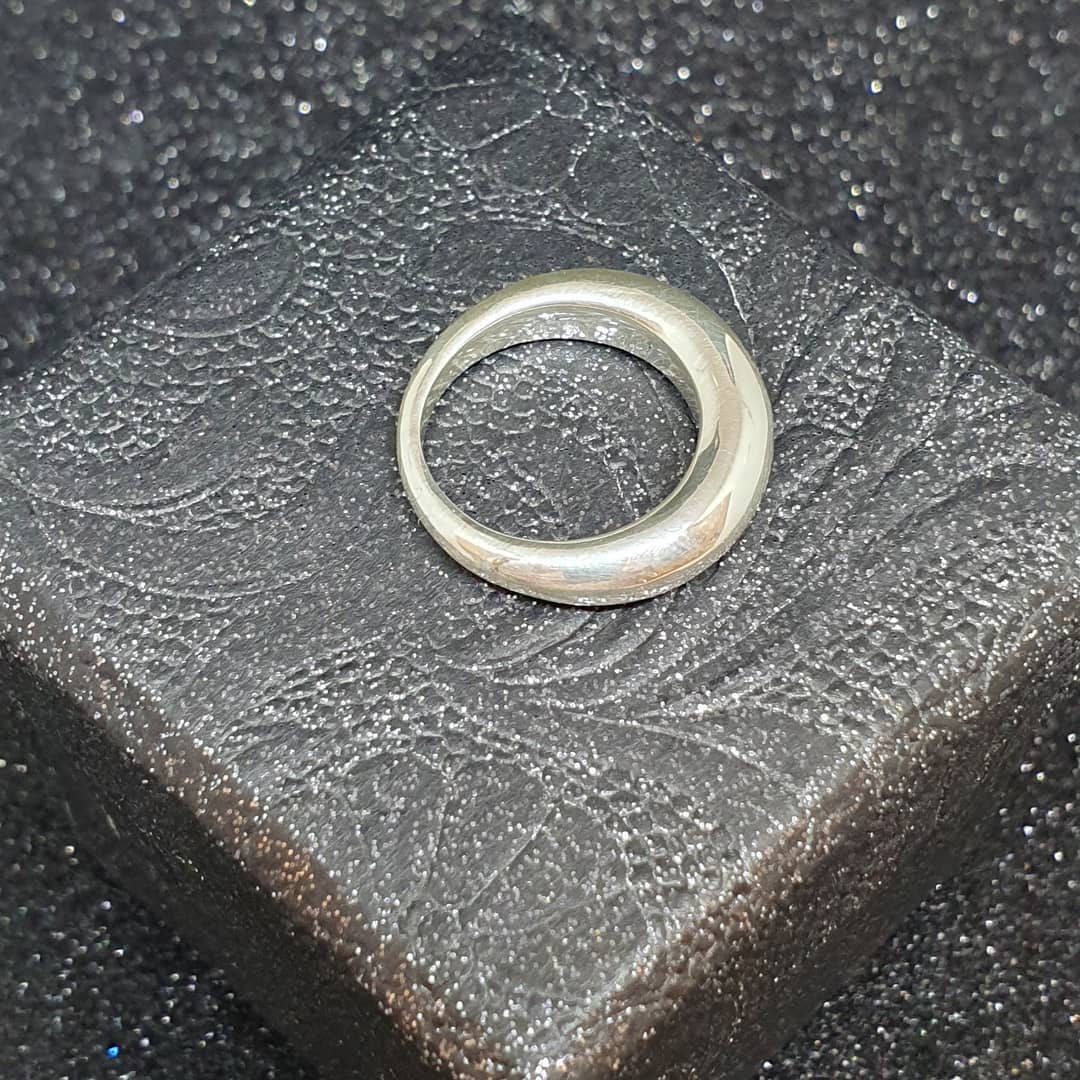
What Is Porosity?
Porosity refers to small voids, pits or trapped gas pockets inside or near the surface of metal. In silver jewelry, porosity often appears as tiny holes, rough patches or grainy texture after soldering, sanding and polishing.
The frustrating part is that porosity may not look serious immediately after soldering. It often becomes more visible once oxidation is removed and the surface becomes reflective.
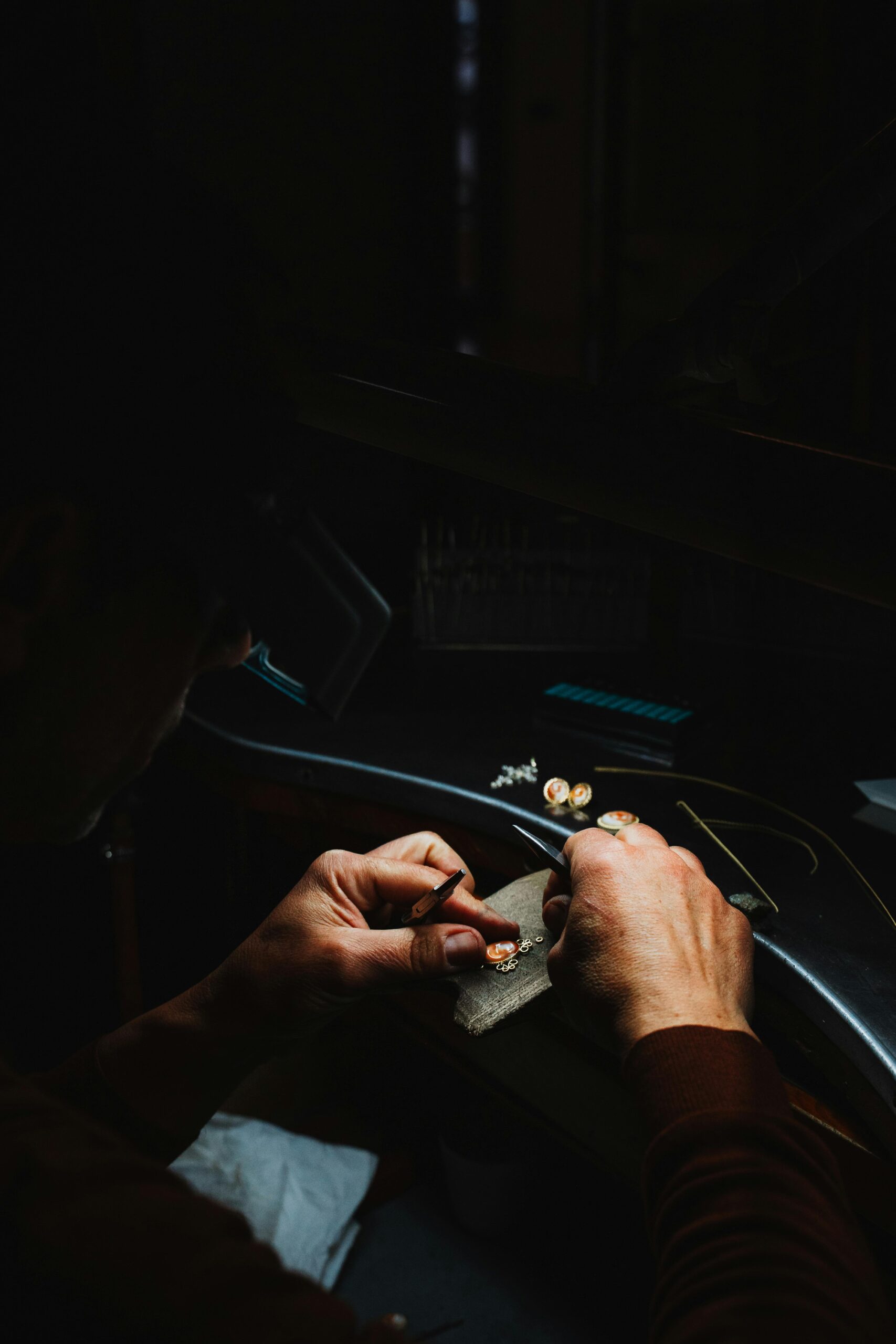
Overheating Is A Major Cause
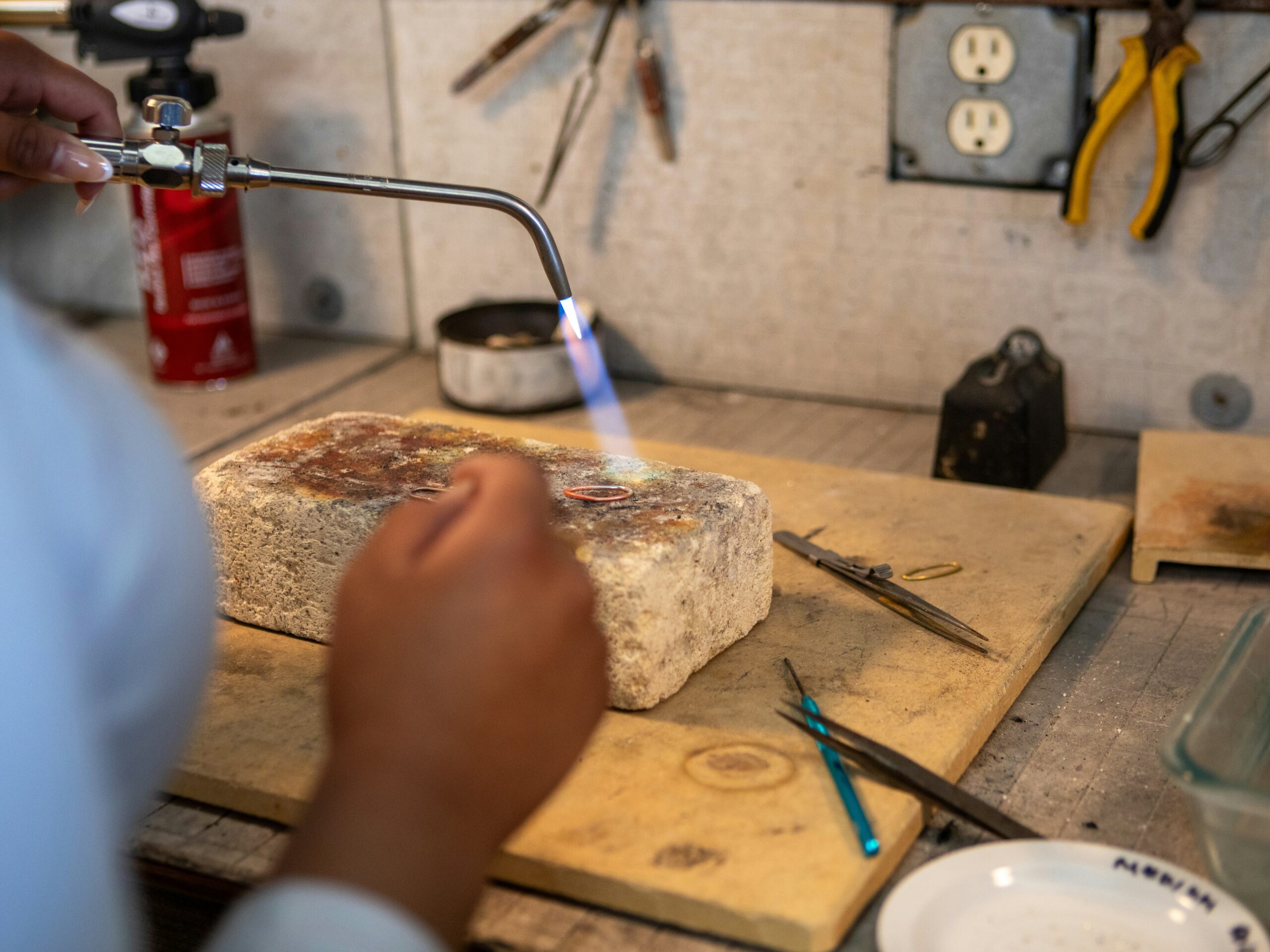
Excessive heat exposure can damage silver surfaces and increase the likelihood of pitting or porosity during soldering. This is especially common when the torch is held too close, too still or too long after the solder has already flowed.
Overheating can also create rougher surface texture and heavier oxidation, which makes later finishing more difficult.
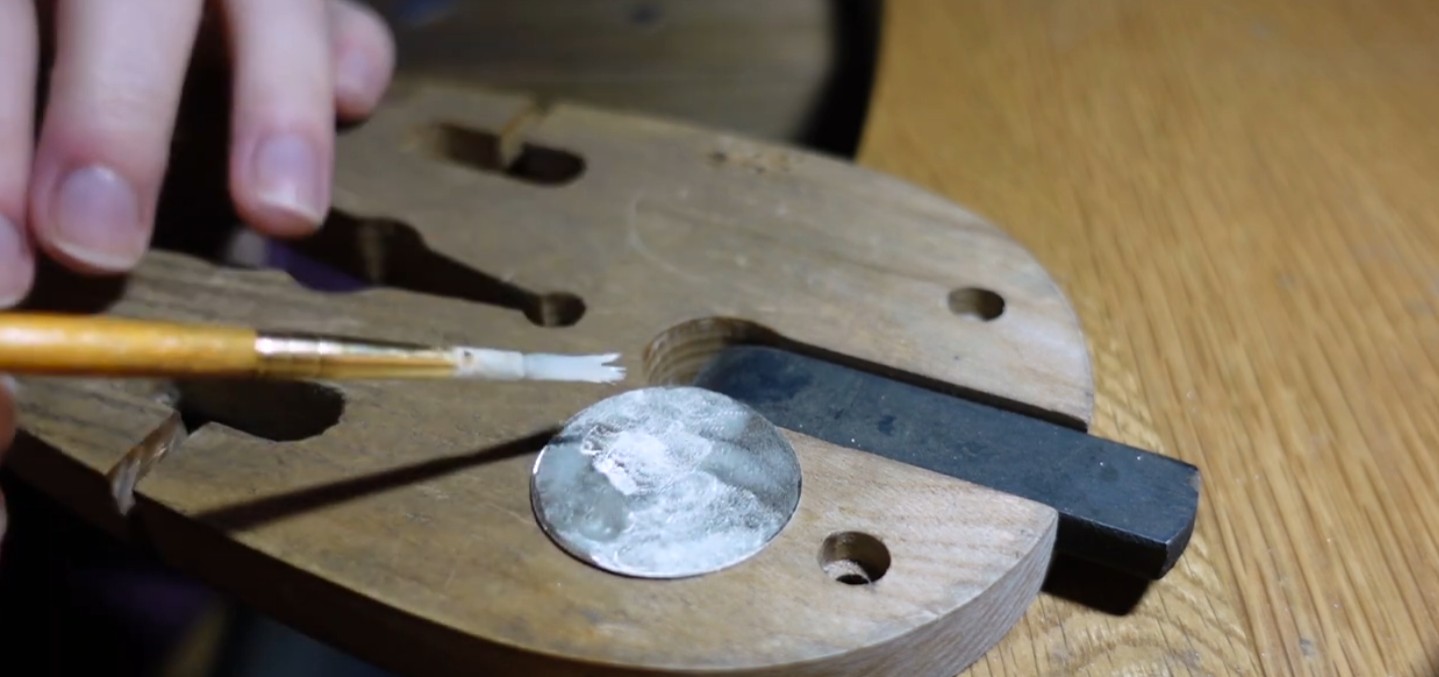
Contamination Can Create Surface Defects
Dirt, oil, old polishing compound and contaminated solder scraps can interfere with clean soldering. When contamination is trapped in or near a solder joint, it can contribute to pits, rough texture or weak-looking seam areas.
Clean metal preparation is one of the simplest ways to reduce porosity risk.
Clean Preparation Reduces Porosity Risk
Porosity prevention starts before the torch is lit. A clean seam, clean solder and clean surrounding metal reduce the chance of trapping residue, oxide or contamination inside the soldering area.
If the surface is already dirty or oxidized, more heat usually makes the defect risk worse rather than better.
Repeated Heating Weakens Surface Quality
Multiple soldering cycles increase oxidation and thermal stress inside the silver. Repairs, adjustments and repeated attempts to make a seam flow can all make porosity more likely.
If a joint does not work the first time, it is usually better to stop and diagnose the cause rather than reheating the same area again and again.
Porosity Often Appears After Polishing
Before polishing, small pits may remain hidden under oxidation, flux residue or a rough soldered surface. Once the silver becomes reflective, porosity becomes much easier to see under directional light.
This is why many porosity problems feel like they appear “suddenly” late in the work. The defect was often already present, but the polished surface made it visible.
Large Solder Masses Increase Risk
Excessive solder usage can create uneven cooling, rough seam transitions and trapped contamination. Large solder blobs also require heavier cleanup, which can reveal or exaggerate surface defects.
Porosity near seams is often connected to a combination of too much solder, overheating and poor surface preparation.
Use Small, Clean Solder Pieces
Small solder pieces are easier to control, easier to place and less likely to create heavy buildup. They also reduce the amount of filing needed after the soldering operation is finished.
Large solder masses often look like a shortcut at the bench but create more surface correction later.
Fire Scale And Porosity Can Be Confused
Fire scale and porosity are different problems, but both can show up during finishing after soldering. Fire scale often looks like gray, purple or cloudy staining below the surface, while porosity looks more like pits, holes or grainy texture.
Both problems become more likely when silver is overheated or repeatedly heated for too long.
Surface Inspection Is Important
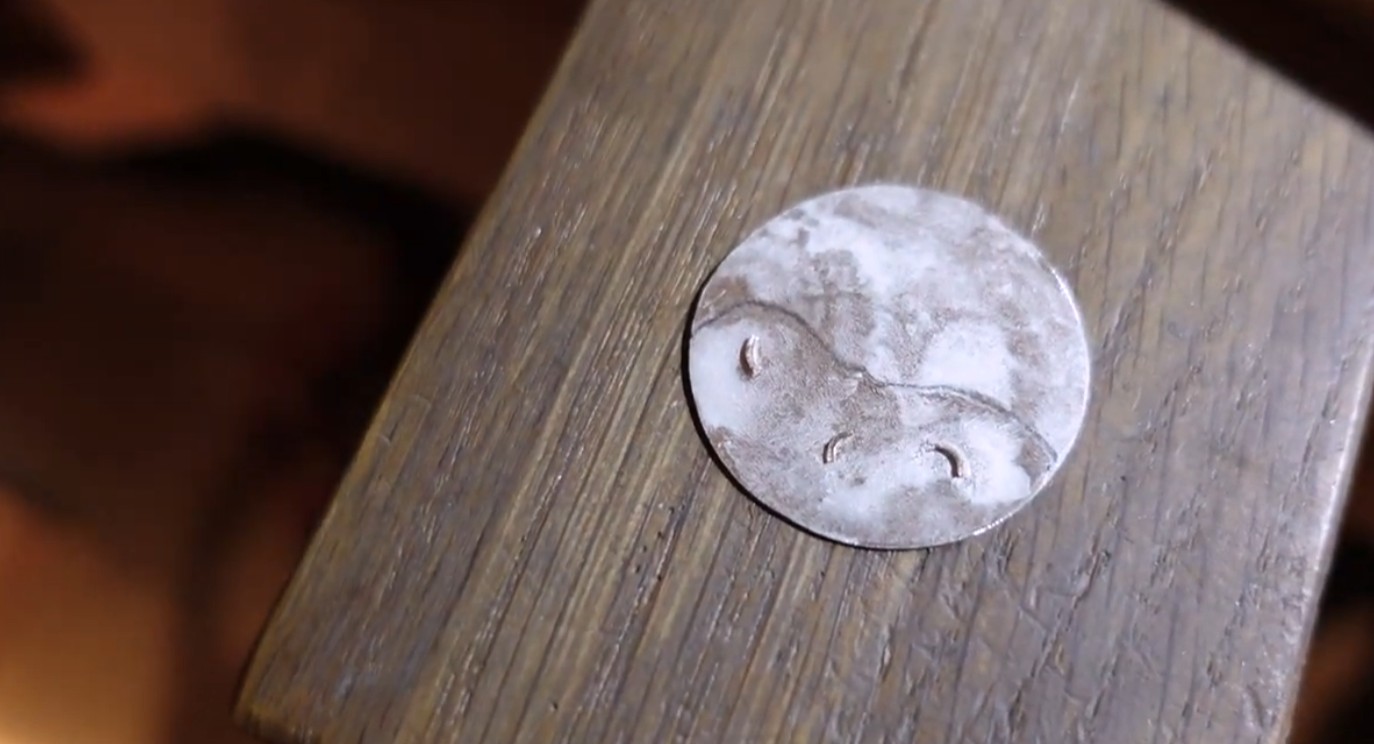
Professional jewelers inspect reflections constantly during finishing. Rotating the piece under directional light helps reveal pits, rough reflections and tiny holes before final polishing.
Inspection should happen after pickling, after filing, during sanding and again before final polish. Waiting until the final shine can make defects harder to correct cleanly.

Quick Porosity Diagnosis
Porosity problems usually point back to heat, contamination, repeated reheating or excessive solder. The location of the pits can help you understand what happened.
How Professionals Reduce Porosity
Professional soldering usually focuses on minimizing contamination and controlling heat exposure carefully. Porosity prevention starts before the torch is lit and continues through inspection.
The cleaner the metal and the shorter the heat cycle, the lower the chance of creating avoidable surface defects.

A Cleaner Anti-Porosity Workflow
Porosity prevention is easiest before the defect exists. Once pits appear during polishing, repair becomes more difficult and may require deeper surface correction.
Prevent Porosity Before Polishing Reveals It
Porosity in silver jewelry is usually connected to overheating, contamination or unstable soldering conditions. Cleaner preparation, controlled heating and careful finishing usually reduce surface defects dramatically during jewelry fabrication.
Keep Building The Defect-Control Workflow
These guides connect porosity to solder flow, fire scale, warping and scratch removal.