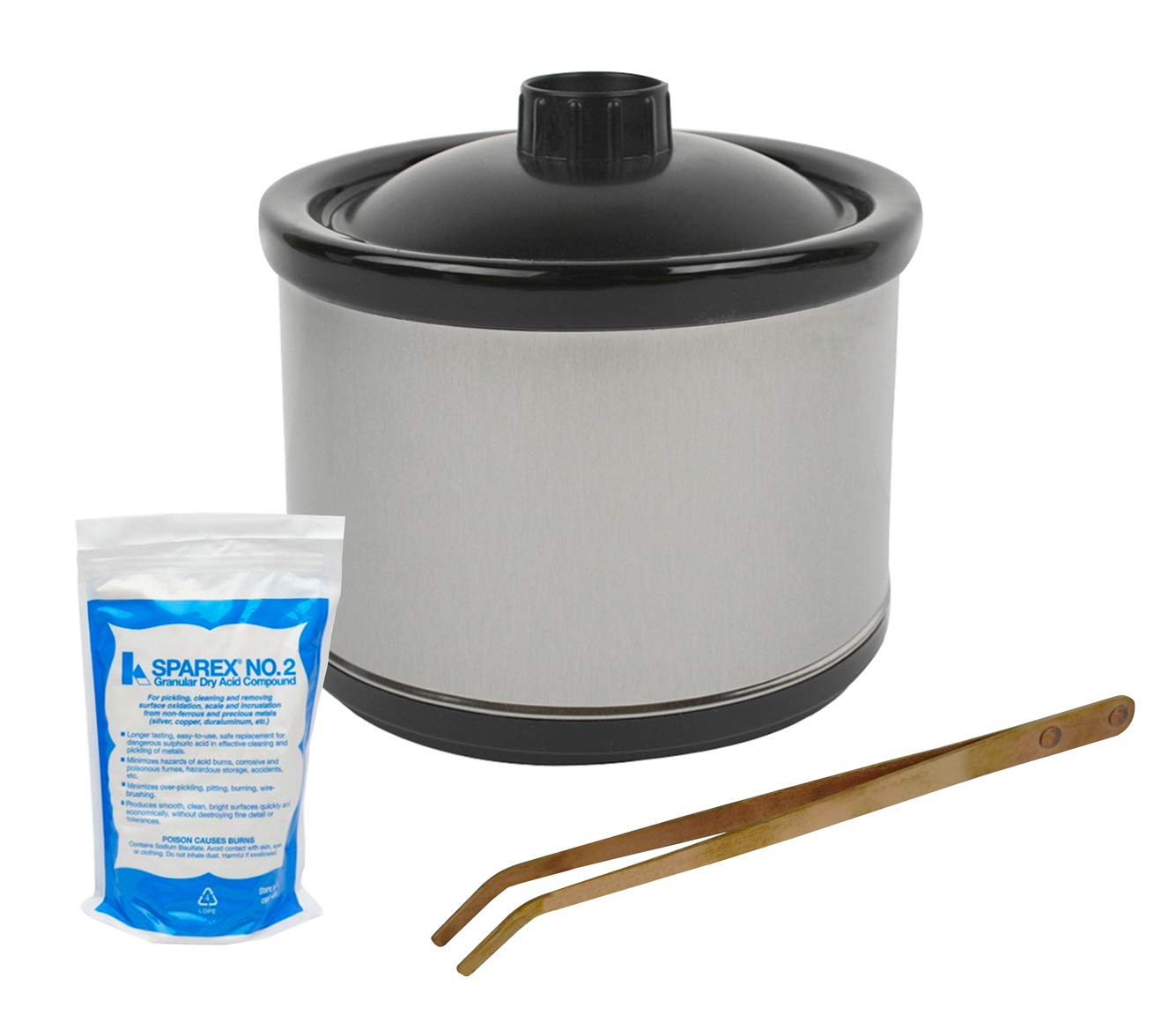
What Is Pickling In Jewelry Making?
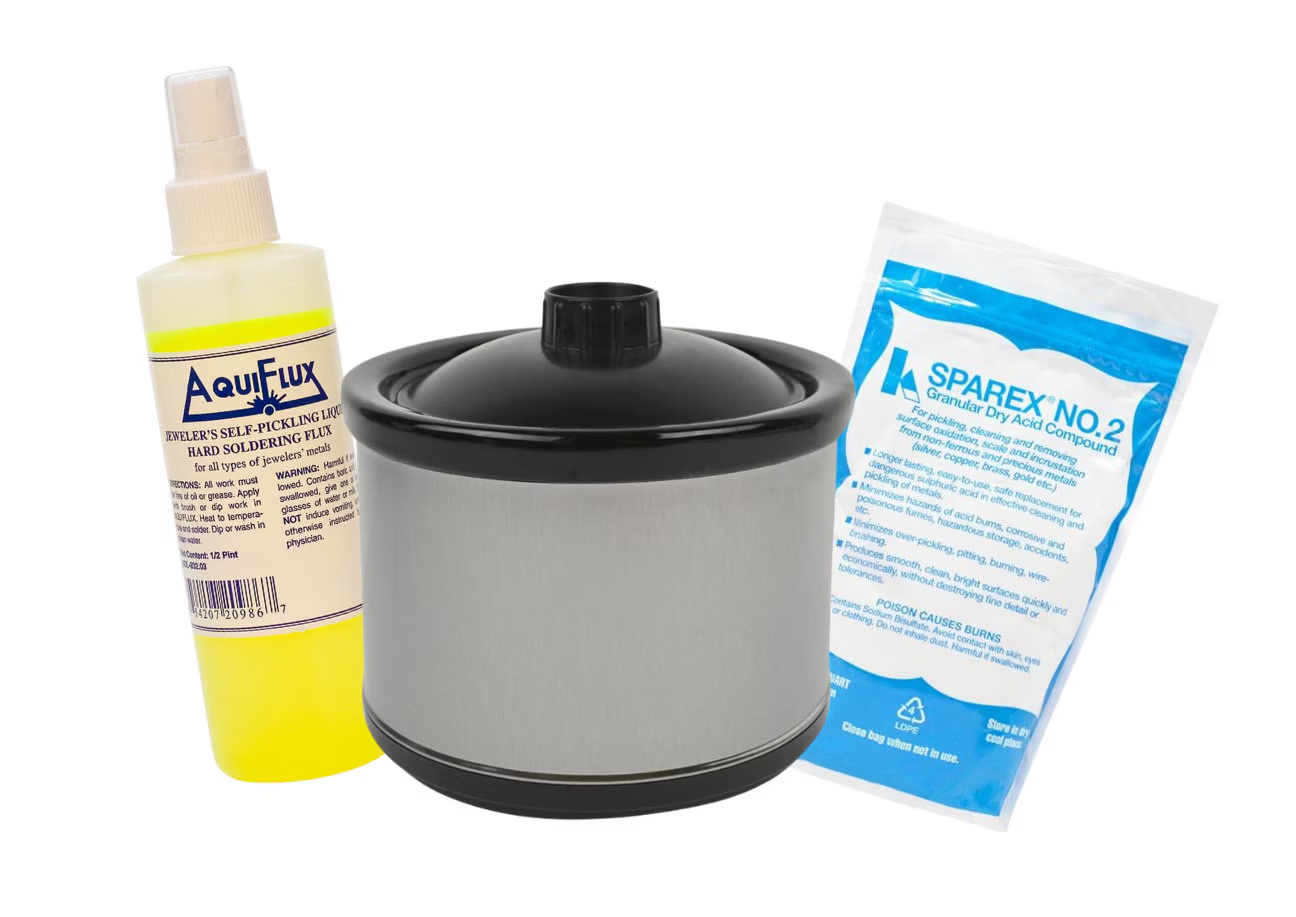
Pickling is the process of cleaning silver after soldering using a mild acidic solution. The pickle dissolves surface oxidation and flux residue so the metal can be inspected before finishing.
Pickling is not the same as sanding or polishing. It cleans the surface chemically, but it does not reshape the metal or remove deeper subsurface oxidation.
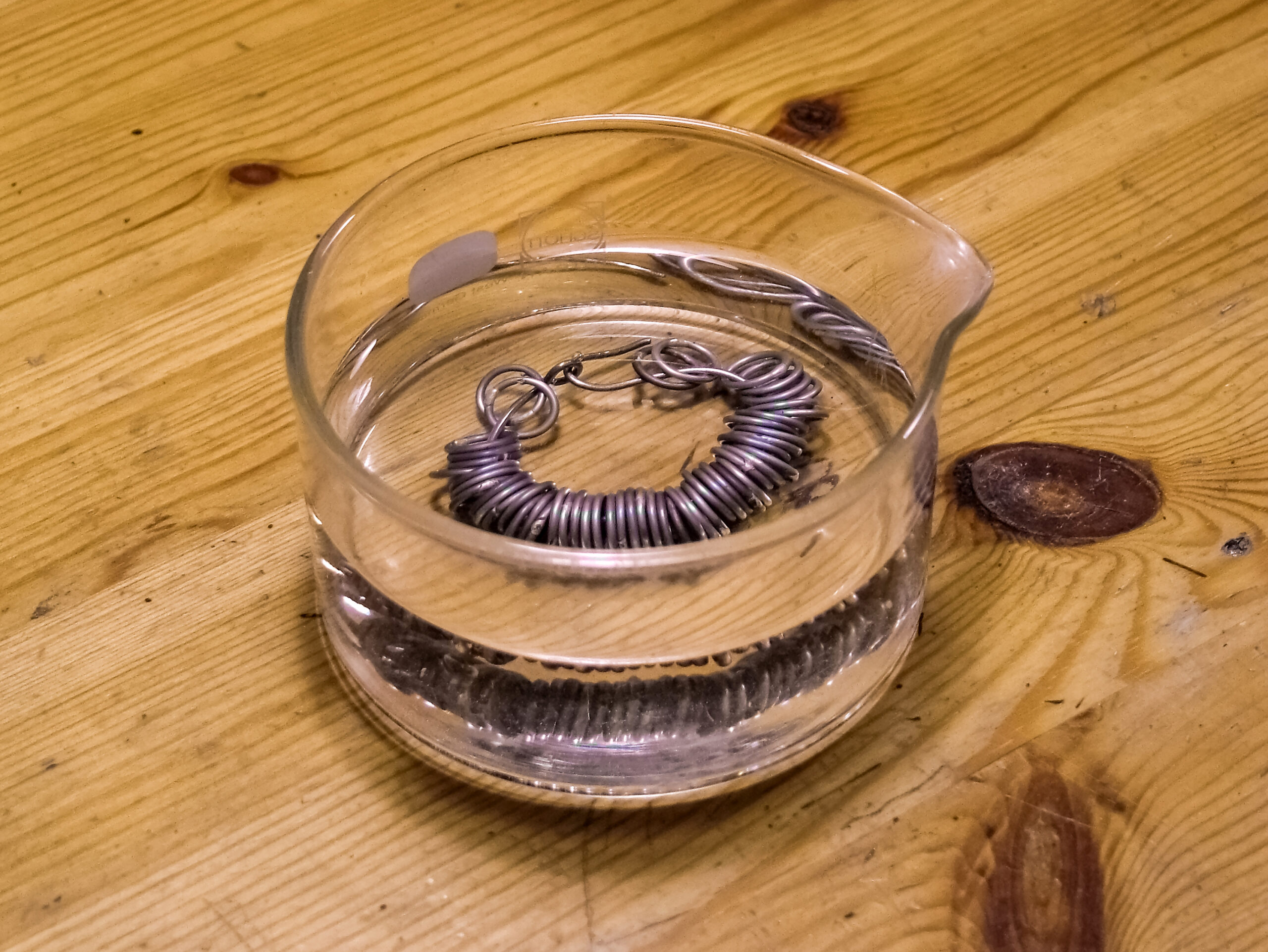
Why Pickling Matters After Soldering
Oxidation and burnt flux can hide what actually happened during soldering. A seam may look rough or dirty immediately after heating, but proper pickling reveals whether the joint itself is clean, complete and ready for finishing.
Clean metal also makes the next steps more accurate. You can inspect scratches, porosity, solder buildup and uneven reflections before committing to aggressive sanding.
Allow The Metal To Cool First
Extremely hot silver should not be transferred directly into pickle solution. Sudden temperature changes may increase stress or distortion, especially in thin silver sheet, bezels and lightweight jewelry components.
Let the piece cool enough to handle safely with appropriate tools before placing it into the pickle.
Use Safe Tools Around Pickle
Steel tools can contaminate pickle solutions and may cause copper plating on silver surfaces. This is one of the most common pickling mistakes in small jewelry workshops.
If pickle becomes contaminated by steel, silver pieces may come out with a copper-colored surface instead of a clean white silver surface.
Pickling Does Not Remove Fire Scale
Many beginners expect pickle to remove every dark mark left after soldering. Pickle removes surface oxidation, but fire scale is deeper oxidation inside the sterling silver surface.
If a gray, purple or cloudy shadow remains after pickling and polishing, the issue may be fire scale rather than ordinary surface oxide.
Inspect The Metal After Pickling
Clean surfaces reveal fabrication problems much more clearly. Do not rush straight from pickle to polishing. Rinse, dry and inspect the piece under good light first.
This step helps you decide whether the next move should be filing, sanding, resoldering, burnishing or only light polishing.
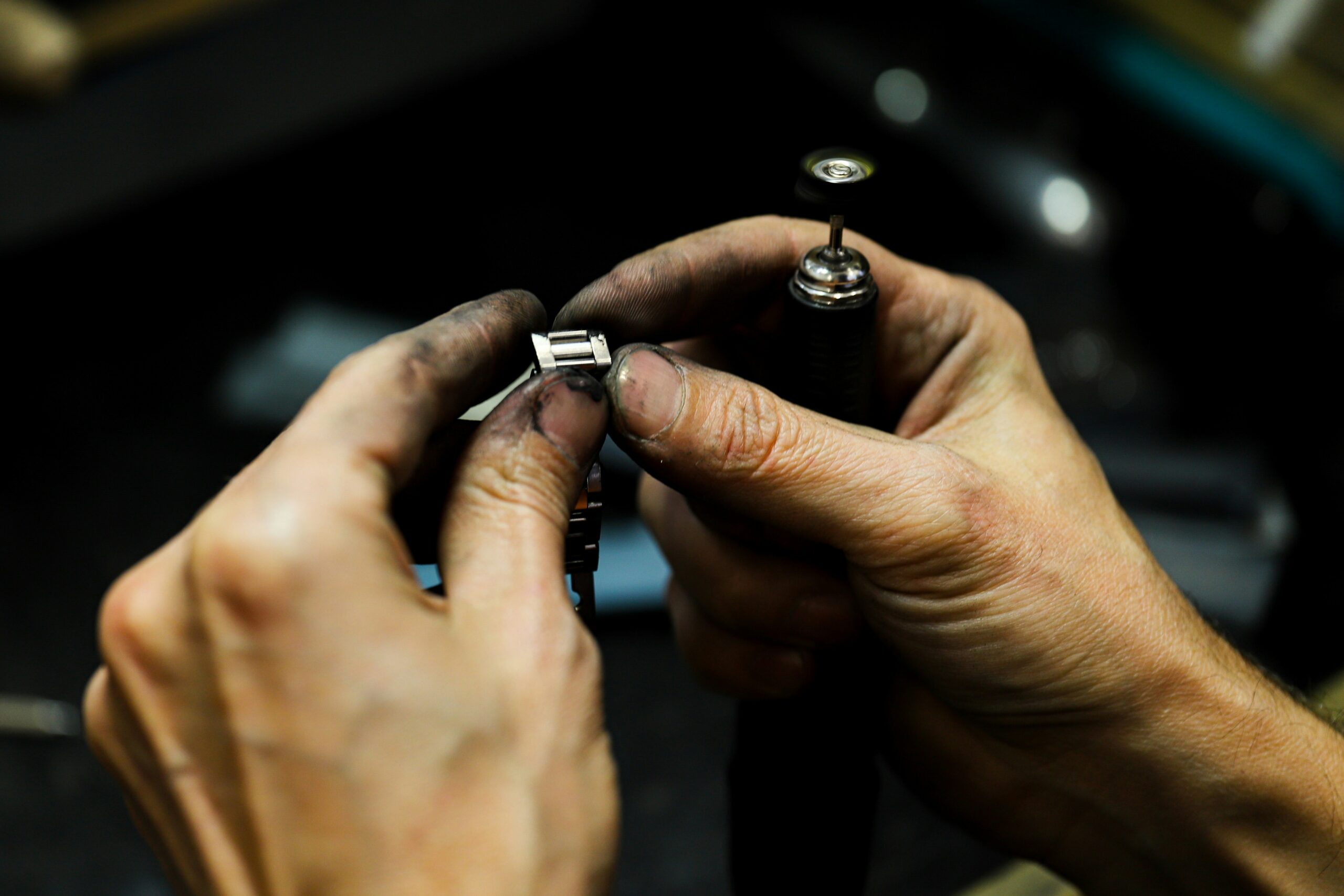
Overheating Creates More Cleanup Work
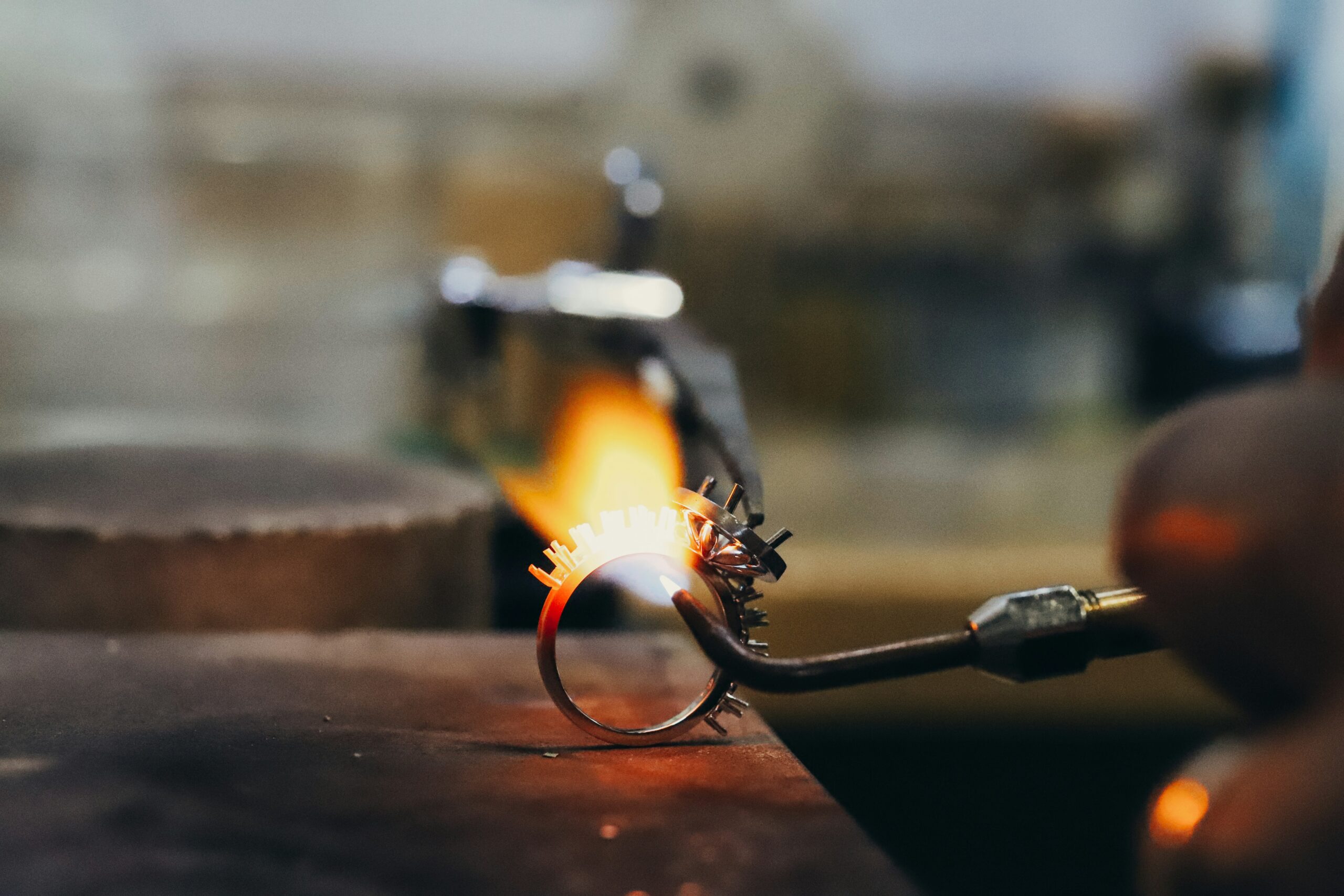
Excessive soldering temperatures often create heavier oxidation and more difficult post-solder cleanup. Pickle can remove surface oxides, but it cannot undo surface damage caused by severe overheating.
Cleaner soldering technique usually means easier pickling and less sanding afterward.
Quick Pickling Diagnosis
Pickling problems are usually easy to trace if you look at the surface after rinsing and drying. The color, residue and remaining stains often point to the cause.
How Professionals Use Pickle
Professional jewelers usually treat pickling as part of overall surface control, not simply as a cleaning step. It is one step in a sequence: solder, cool, pickle, rinse, inspect and then choose the correct finishing method.
Good pickling habits make soldering problems easier to diagnose because they reveal the true condition of the silver.
Use Pickling As Inspection, Not Just Cleanup
Proper pickling helps reveal clean silver surfaces and improves inspection during jewelry fabrication. Careful heat control, clean handling and surface awareness usually create easier and more predictable post-solder finishing results.
Keep Building The Post-Solder Cleanup Workflow
These guides connect pickling to fire scale prevention, overheating control, visible seams and scratch removal after soldering.