What Is Sweat Soldering?
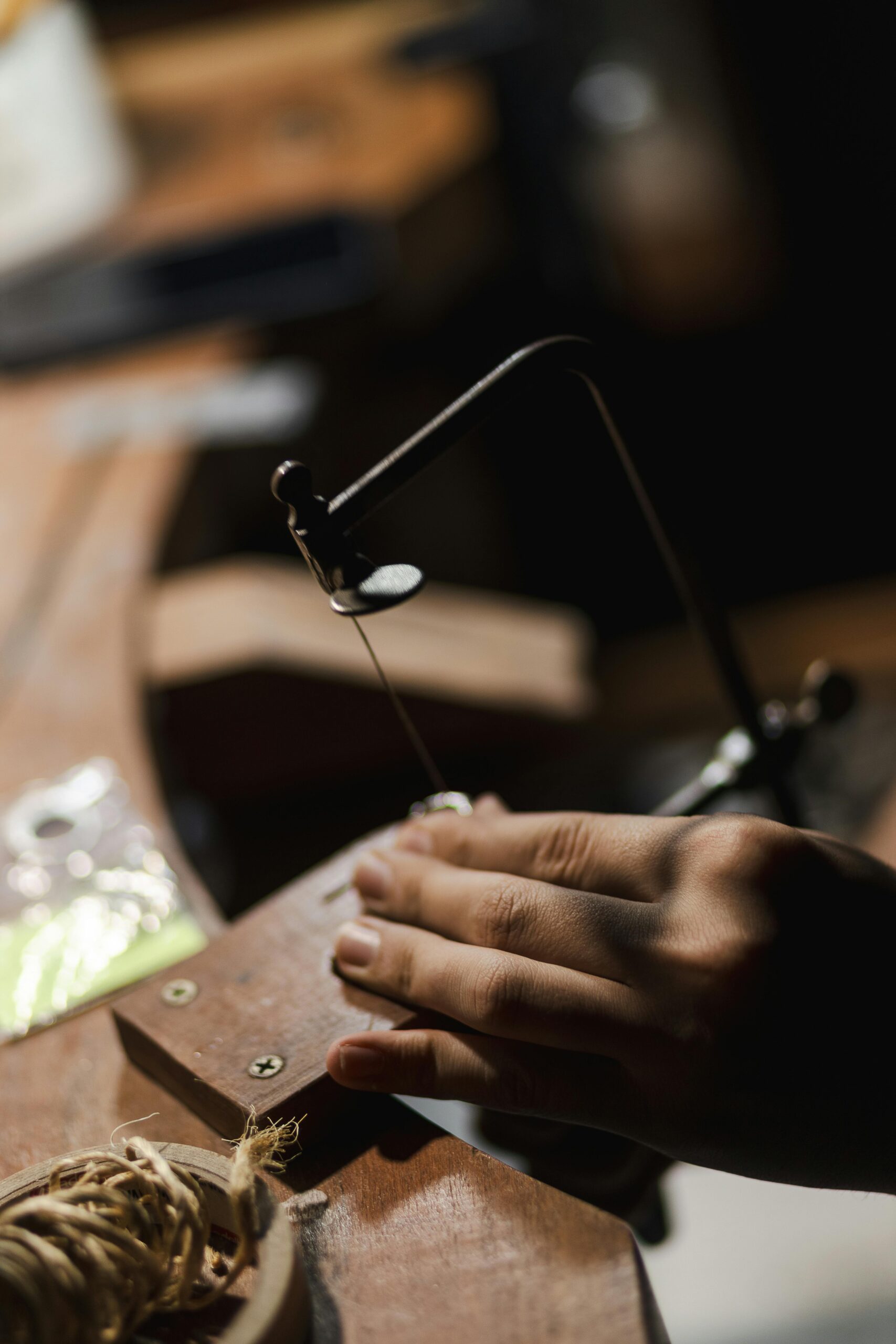
Sweat soldering is a technique where solder is first melted onto one metal surface, then reheated later to join a second component.
Instead of placing solder directly into the final joint, you prepare a thin solder layer first. When the parts are assembled and reheated, that solder layer flows between the surfaces and bonds them together.
Why Jewelers Use Sweat Soldering
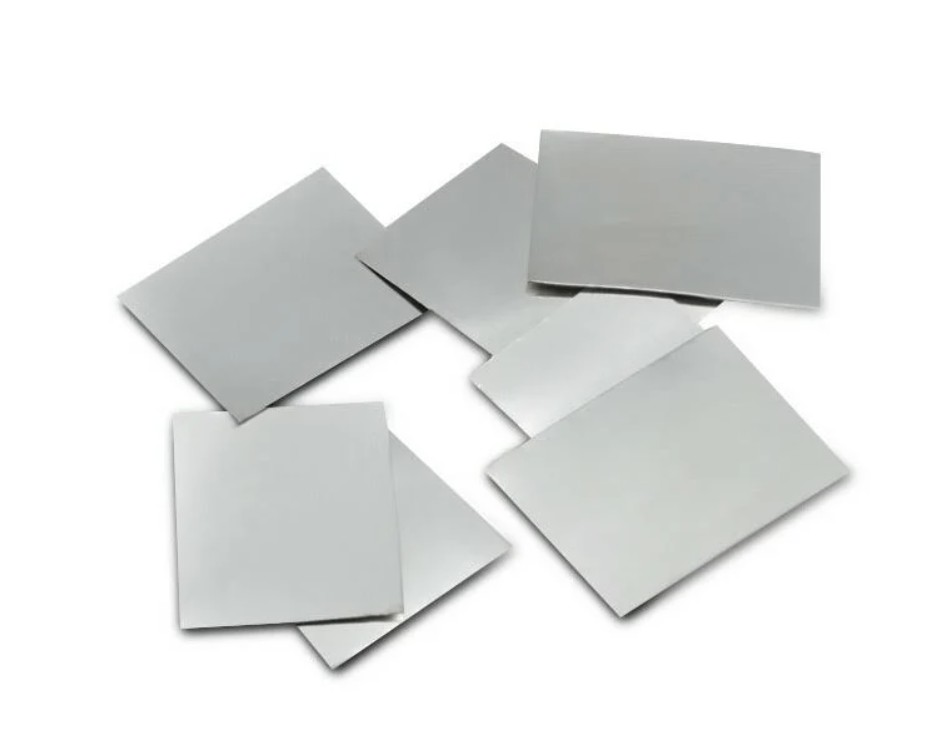
Jewelers use sweat soldering because it gives better control over solder quantity and placement. This is especially helpful when solder would be difficult to place neatly after the parts are assembled.
The technique is useful when the finished piece needs clean edges, flat contact and minimal solder cleanup after polishing.
Prepare The Metal Surfaces Carefully
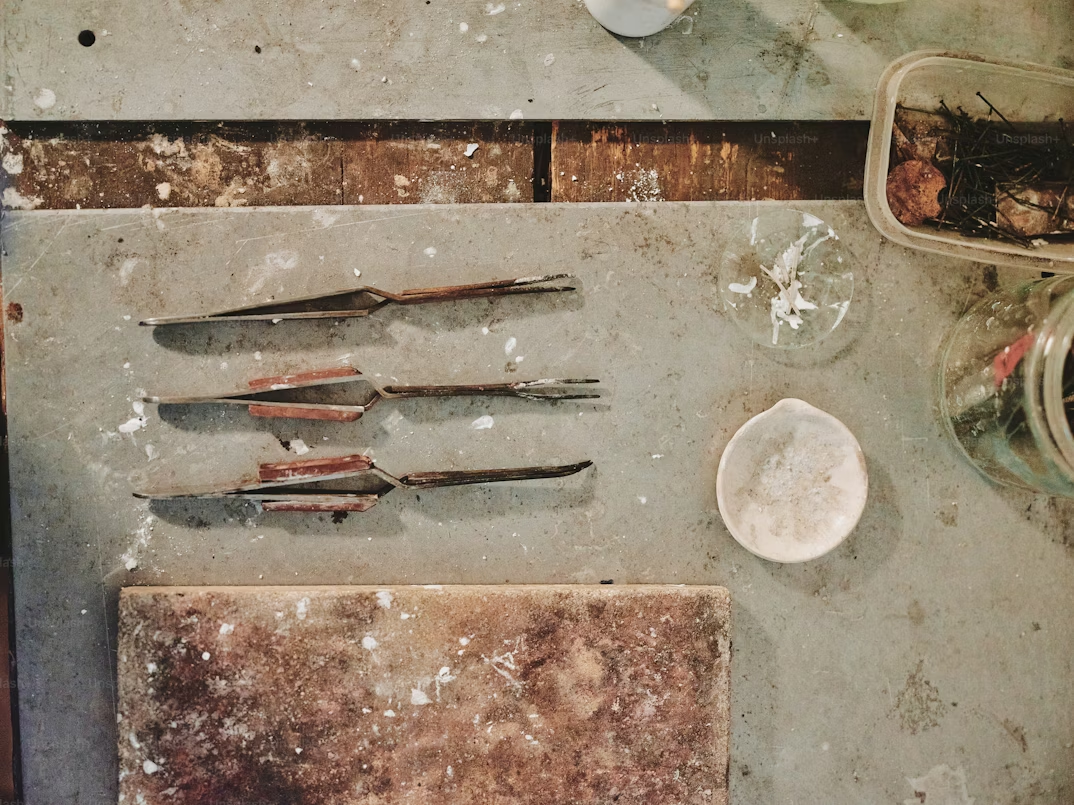
Clean metal surfaces are critical for successful sweat soldering. The two components need good contact, clean surfaces and enough preparation for solder to flow evenly between them.
Dirt, oxide, polishing residue or uneven metal contact can create weak areas where solder does not bond fully.
Apply Solder Evenly
Small solder pallions are usually melted onto one surface first before assembly. The goal is to create a thin, even solder layer instead of heavy solder buildup.
Too much solder can squeeze out from between the layers and become visible along the edge. Too little solder may leave weak or unbonded areas.
Heat Distribution Matters
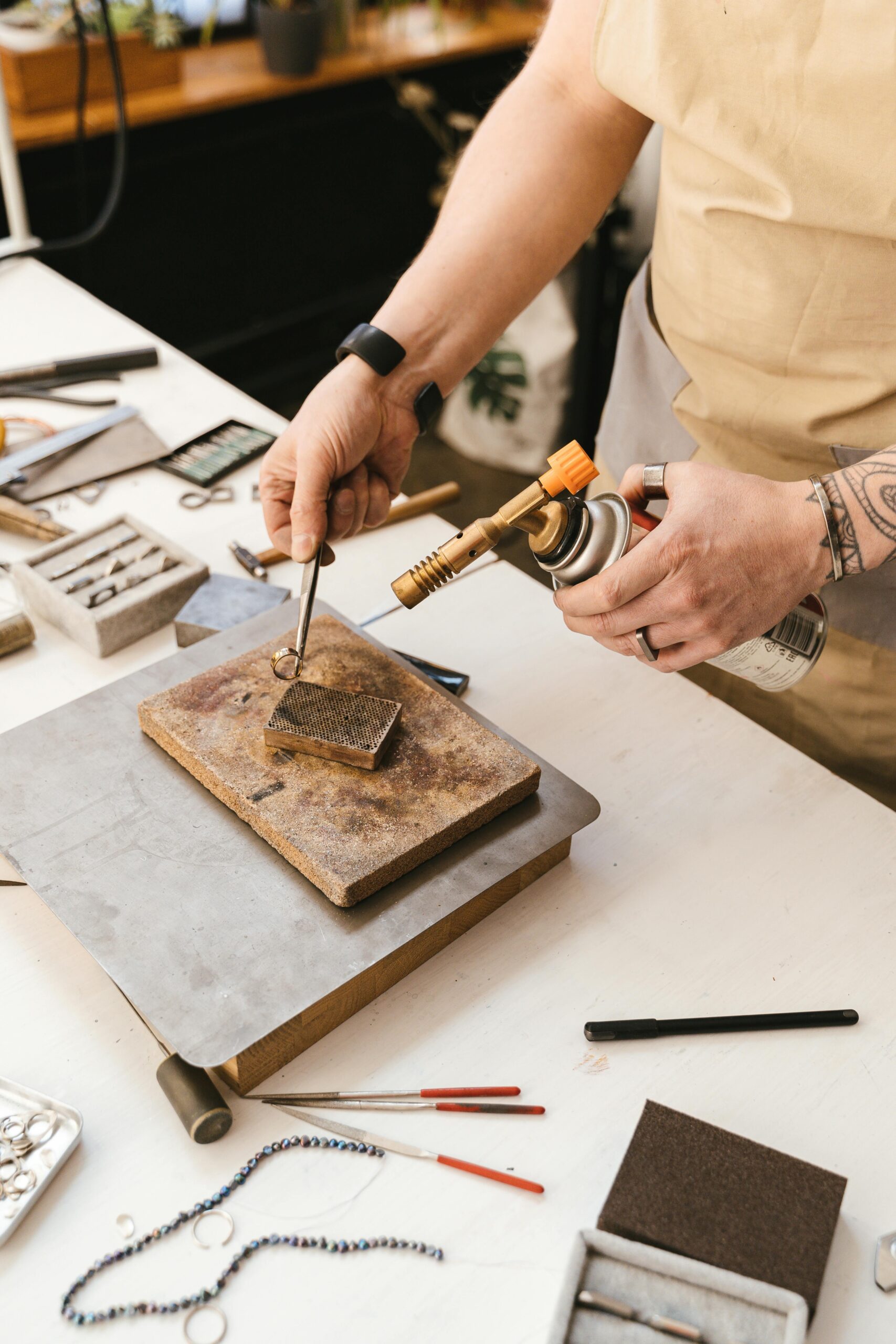
Sweat soldering depends heavily on balanced heating across both components. If one piece gets hot while the other remains too cool, solder may not bond evenly across the full joint.
Large silver surfaces usually require gradual heating instead of direct concentrated flame.
Watch For Trapped Air And Gaps
Flat silver surfaces can trap air pockets during assembly. Even a small gap can prevent solder from bonding across the full contact area.
Warped sheet, uneven preparation or unstable positioning can create areas where the two parts do not fully touch.
Too Much Solder Creates Problems
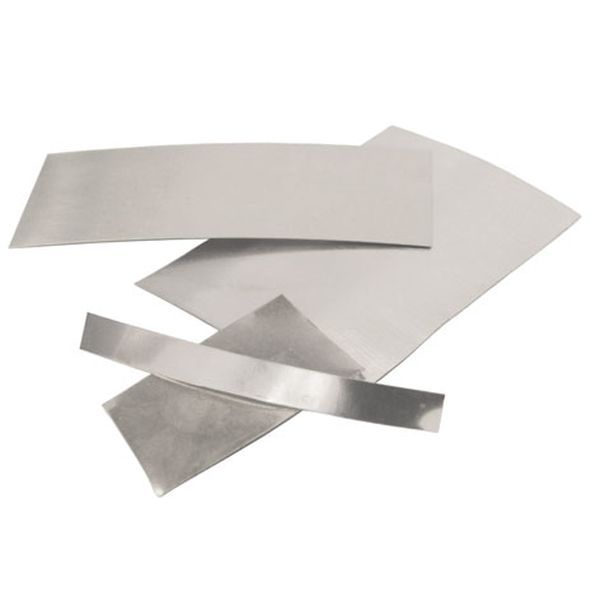
Excess solder often spreads unpredictably and becomes visible after polishing. In sweat soldering, too much solder can squeeze out from between the layers or create uneven reflections where the solder layer is too thick.
Heavy solder buildup may create visible seam shadows, surface distortion, cleanup difficulties and uneven reflections.
Quick Sweat Soldering Diagnosis
Sweat soldering problems usually come from preparation, solder quantity, heat balance or surface contact. The symptoms often show up as weak areas, visible lines or distorted silver after cooling.
How Professionals Sweat Solder Cleanly
Professional sweat soldering usually focuses on preparation and control rather than aggressive heating. The surface fit, solder layer and heat balance do most of the work.
The cleaner the setup is before the second heating, the less cleanup is needed after the pieces are joined.
A Cleaner Sweat Soldering Workflow
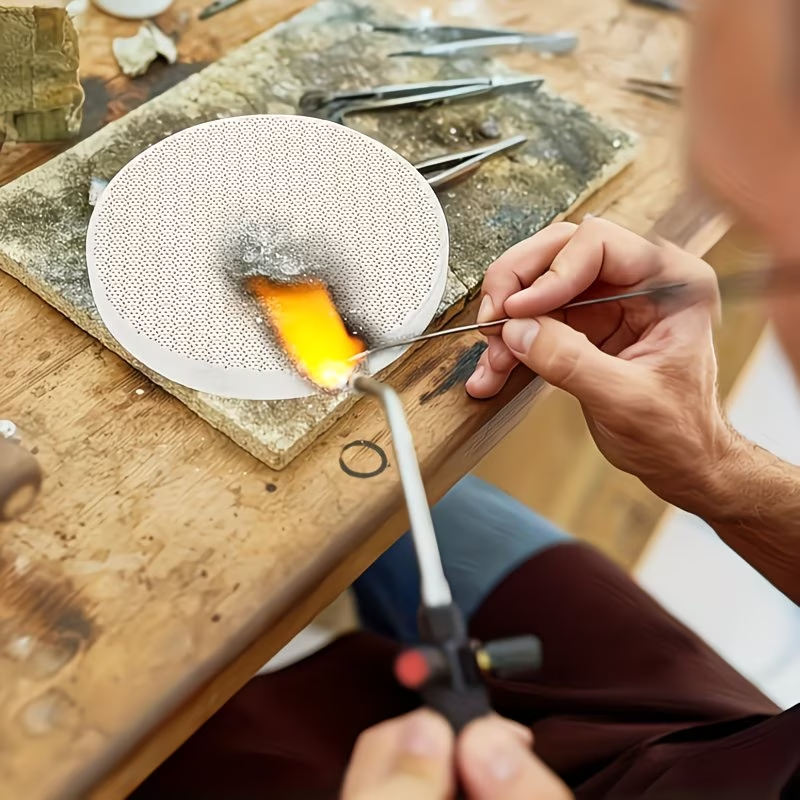
Sweat soldering works best when each step is deliberate: prepare both surfaces, pre-flow a controlled solder layer, assemble tightly and heat the full joint evenly.
Sweat Soldering Is About Preparation, Not Force
Sweat soldering is one of the most valuable techniques for creating clean layered silver assemblies with controlled hidden seams. Careful preparation, balanced heat and minimal solder usage usually produce the cleanest results.
Keep Building The Layered Silver Workflow
These guides connect sweat soldering to solder flow, visible seams, warping control and porosity prevention after heating.