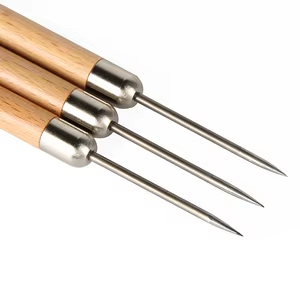
Why Solder Moves Unexpectedly
Silver solder always seeks the hottest, cleanest area available during soldering. If the seam is not the hottest clean path, solder may suddenly move away from the joint instead of flowing through it.
This can look random at the bench, especially when a solder chip balls up, slides away or pulls toward the torch. In reality, solder is responding very precisely to temperature, surface cleanliness, flux condition and seam fit.
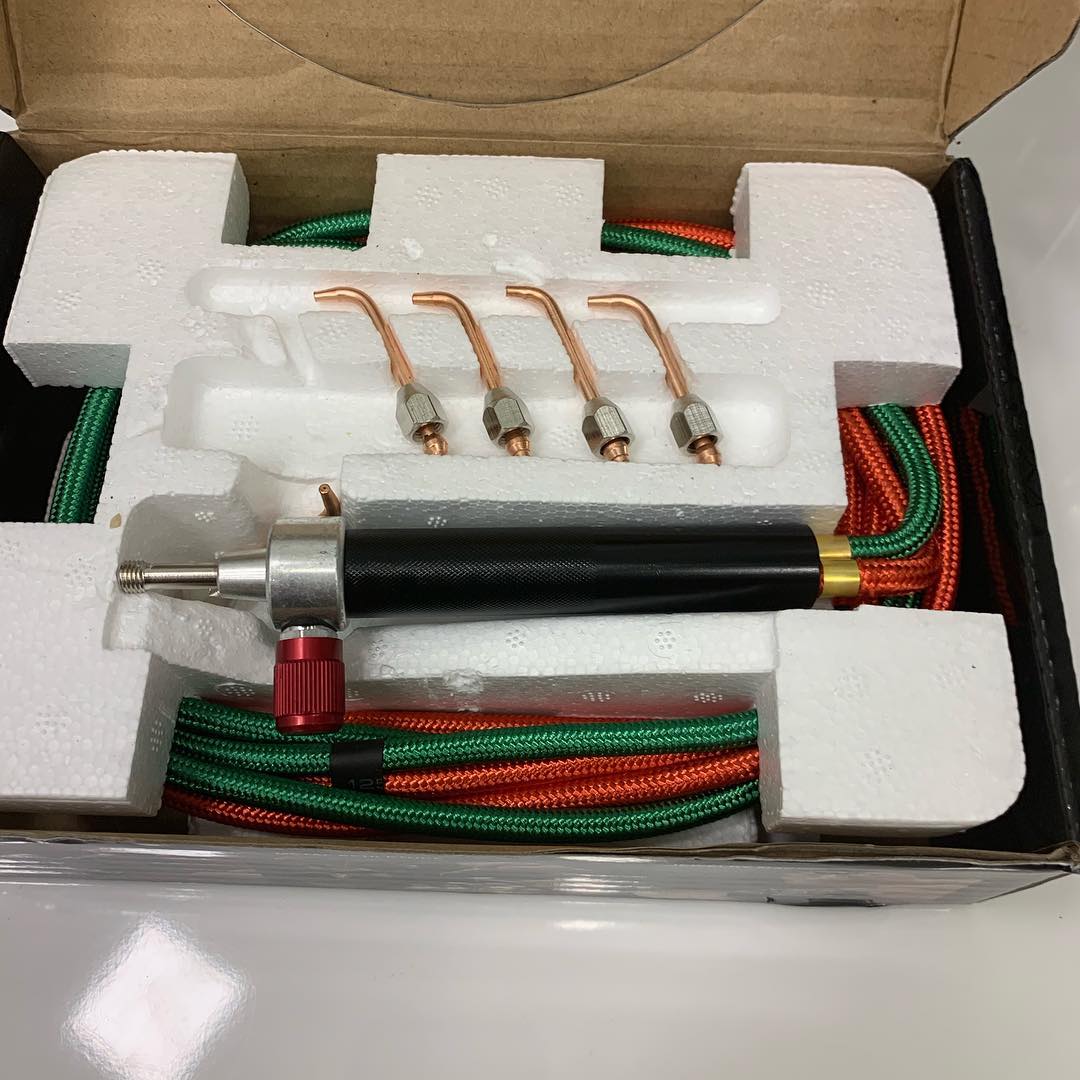
Uneven Heat Pulls Solder Away
Concentrating the torch too heavily on one side often pulls solder toward that area. If one component becomes much hotter than the seam, the solder may leave the joint and flow toward the hotter surface instead.
This is common when one part is thin and another part is thick, or when the flame is held still near the solder instead of moving across the full joint area.
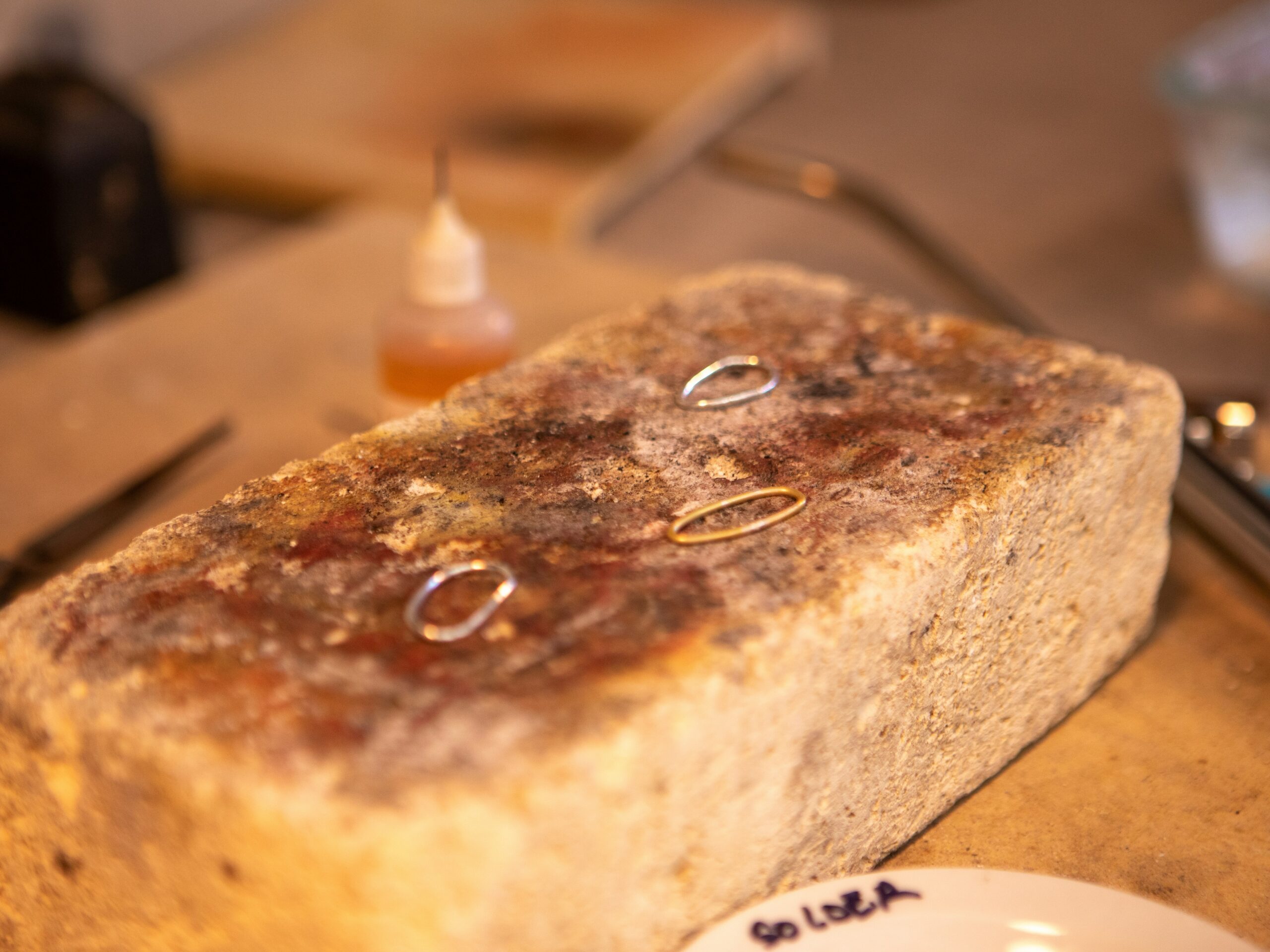
Dirty Metal Prevents Proper Flow
Oxidation, grease, sanding residue and polishing compound interrupt smooth solder movement. Solder may avoid contaminated areas completely and flow elsewhere instead.
Even if the solder melts, it may not wet the seam properly if the surface is dirty. This is why cleaning the seam before fluxing matters so much.
Flux Distribution Matters
Flux protects the metal and helps solder flow smoothly across the seam. If flux coverage is uneven, burned out or missing from part of the joint, solder may separate, ball up or avoid dry areas.
Flux should cover the seam and nearby metal before heating begins. The surrounding area matters because solder follows heat across the cleanest available path.
Large Components Heat Differently
Thick or heavy silver parts absorb heat more slowly than thin components. If the thick area remains colder, solder may pull toward the hotter thin part instead of flowing through the intended seam.
This often happens in ring shanks, large backplates, heavy bezels and layered assemblies where one component has much more metal mass than the other.
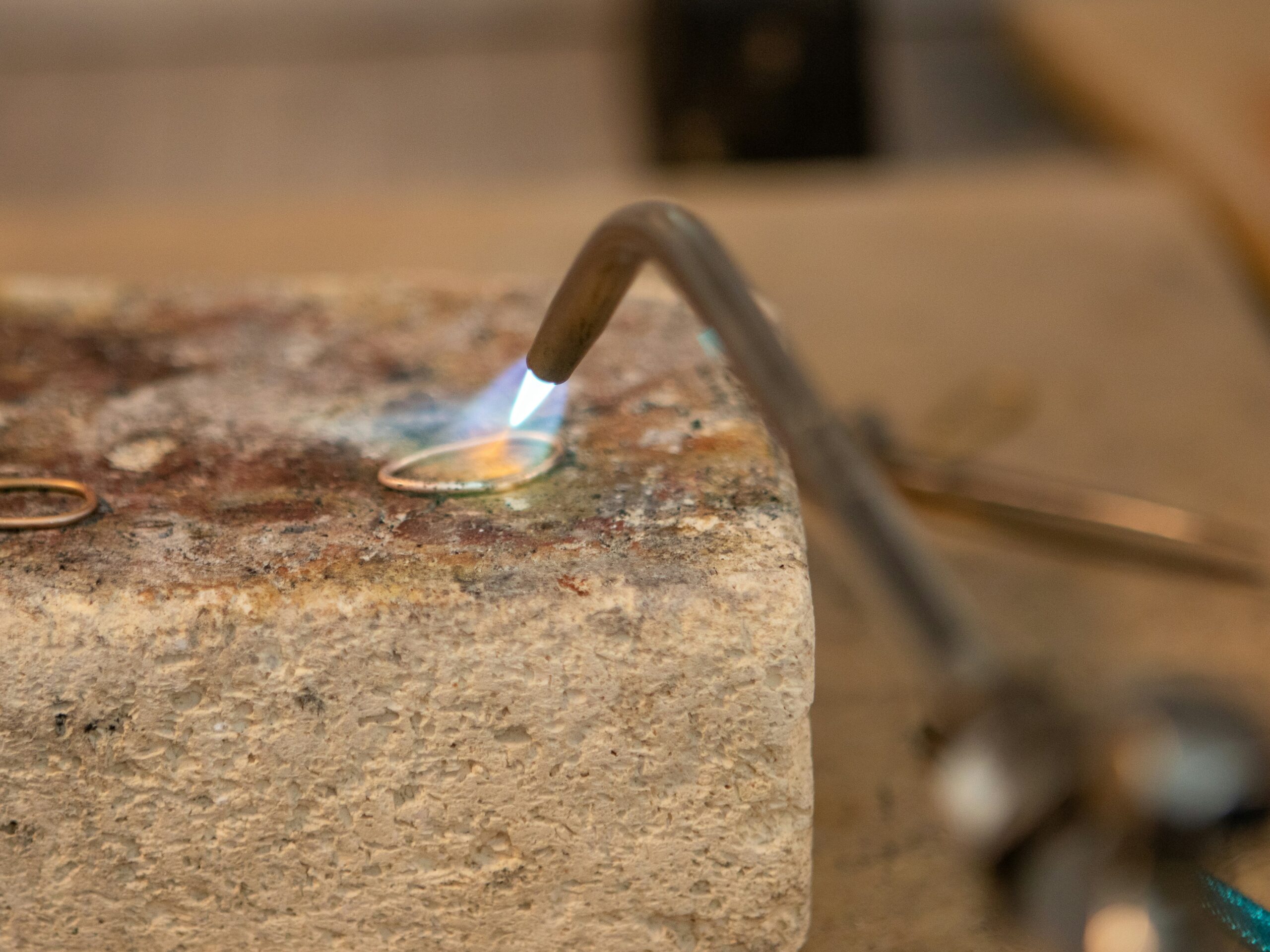
Direct Flame On Solder Causes Problems
Heating the solder directly often melts it before the surrounding silver reaches flow temperature. When the solder melts too early, it may ball up, separate from the seam, flow unpredictably or pull toward the torch.
A cleaner technique is to heat the metal around the joint so the seam reaches temperature and draws the solder into place.
Gap Size Affects Solder Behavior
Large uneven gaps interrupt capillary action and reduce solder control. Solder does not behave like glue; it flows best through a clean, close-fitting seam.
If the seam is open, misaligned or irregular, solder may sit on one side, bridge poorly or move away from the joint entirely.
Solder Chips Can Move Before They Flow
Small solder chips can shift when flux bubbles, dries or becomes glassy. They can also move if the torch blast is too direct or if the piece is not stable.
This is different from true solder flow. A pallion may physically move before the solder has properly flowed into the seam.
Quick Diagnosis
When solder moves away from the seam, the visible behavior usually points to a practical cause. Start by checking heat balance, cleanliness, flux and seam fit before adding more solder.
How Professionals Control Solder Flow
Professional soldering focuses heavily on heat balance and seam preparation. The solder usually behaves better when the joint is clean, tight and heated evenly.
Instead of chasing solder with the flame, the goal is to make the seam the place where solder naturally wants to flow.
Make The Seam The Hottest Clean Path
Solder movement problems usually come from heat imbalance, contamination, poor flux coverage or weak seam preparation rather than the solder itself. Controlled heating, clean silver surfaces and careful torch movement usually create smoother solder flow across jewelry seams.
Keep Building The Solder Flow Workflow
These guides connect solder movement to flow problems, sweat soldering, visible seams and warping prevention.