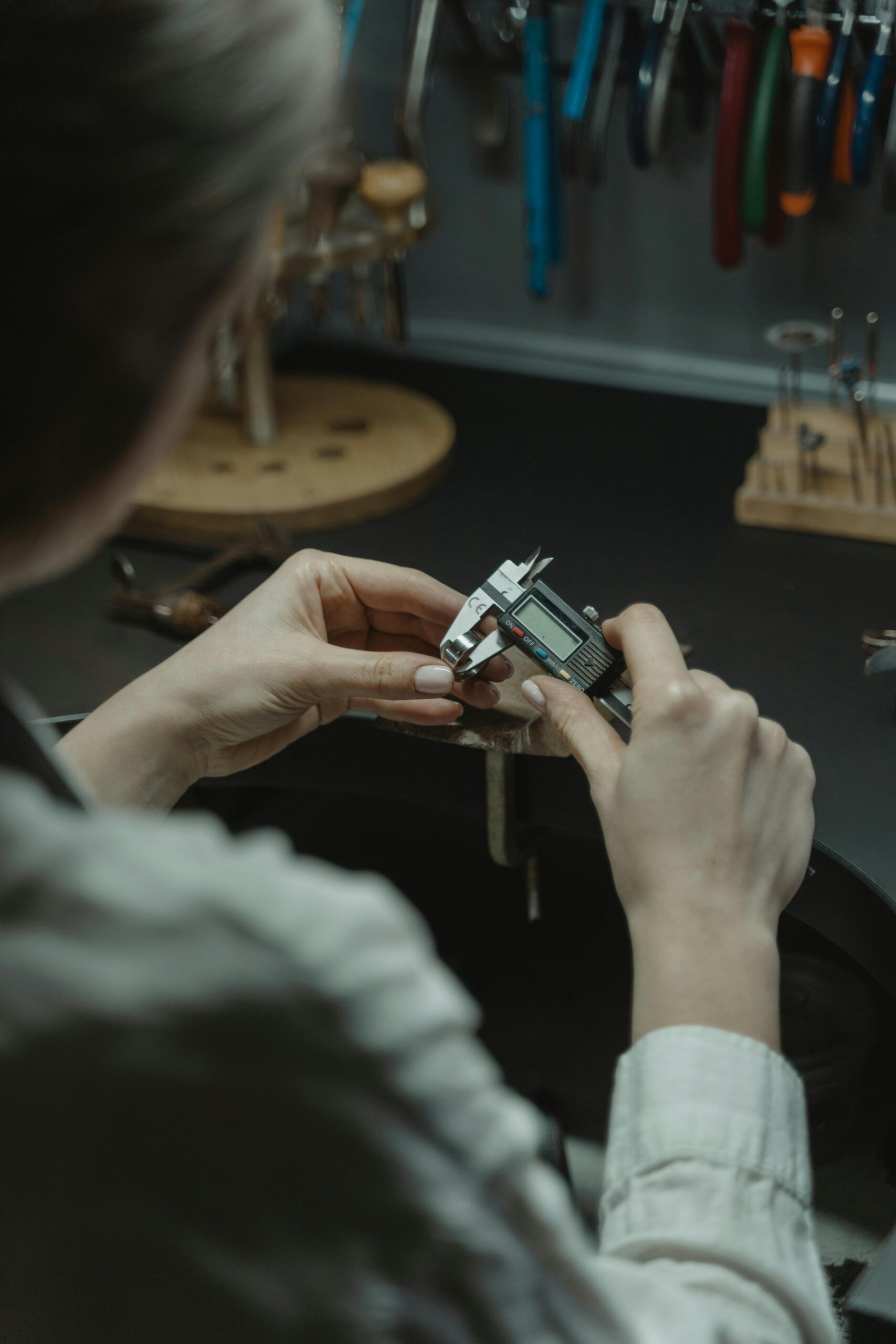
Why Bezel Wire Thickness Matters
Bezel wire thickness affects how a cabochon setting looks, feels and performs. A thin bezel is easier to push over the stone, while a thicker bezel gives more strength and visual weight.
Choosing the correct thickness helps prevent wrinkled bezel walls, difficult burnishing, weak stone retention and bulky finished settings.
The Basic Rule For Bezel Thickness
The bezel should be thin enough to move cleanly over the stone, but strong enough to hold its shape during wear.
Small cabochons usually work best with thinner bezel wire. Larger stones, tall stones and heavier rings often need a stronger bezel wall.
Thin Bezel Wire
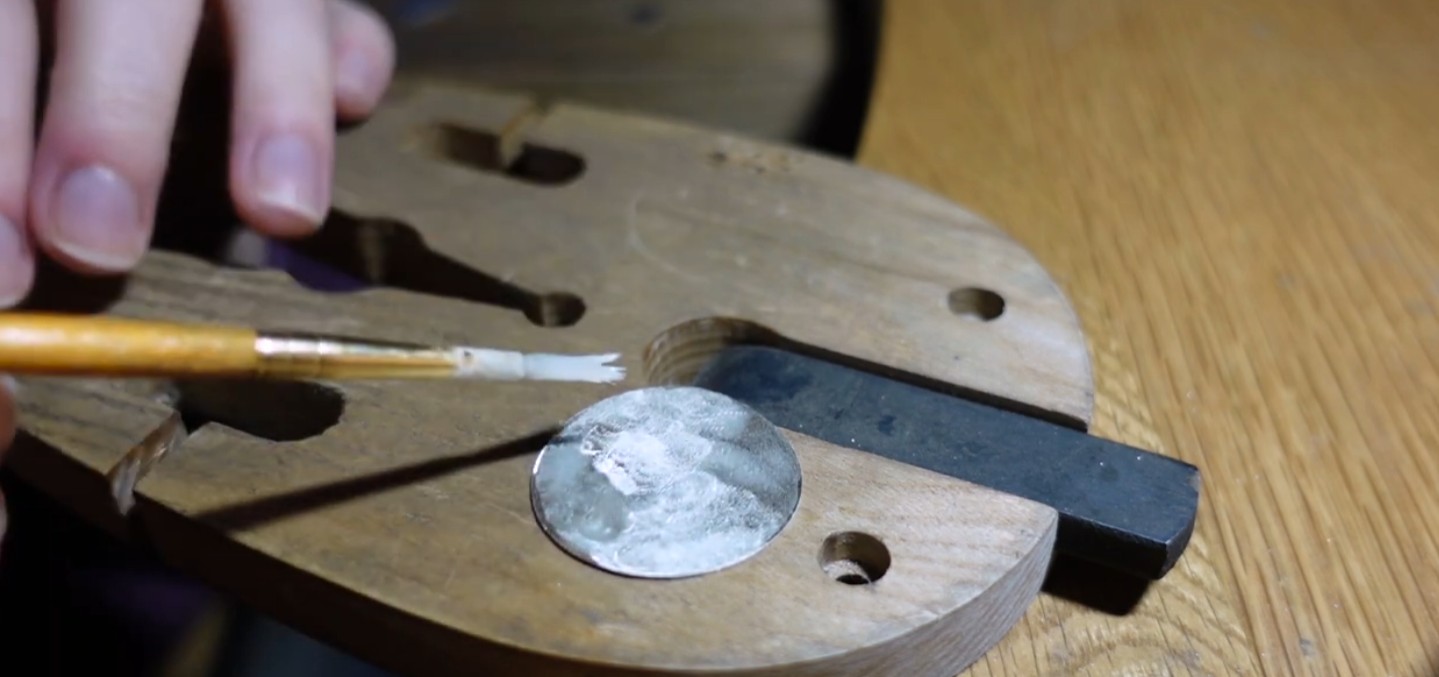
Thin bezel wire is easy to bend, form and burnish. It is commonly used for small cabochons, delicate pendants and settings where a lighter appearance is desired.
The main advantage is control. Less force is needed to move the metal over the stone, which is especially useful when setting softer or more fragile stones.
Problems With Thin Bezel Wire
Thin bezel wire can become unstable if the wall is too tall or uneven. During burnishing, the metal may wrinkle, fold or distort instead of moving smoothly over the stone.
Thin bezels also give less visual weight around larger cabochons. On a bold ring or large stone, a very thin bezel can look underbuilt even when it technically holds the stone.
Medium Bezel Wire
Medium bezel wire is usually the most versatile choice for general cabochon setting. It gives enough strength for everyday jewelry while still being workable with normal setting tools.
For many handmade silver rings, pendants and earrings, medium thickness creates the best balance between durability and clean burnishing.
Heavy Bezel Wire
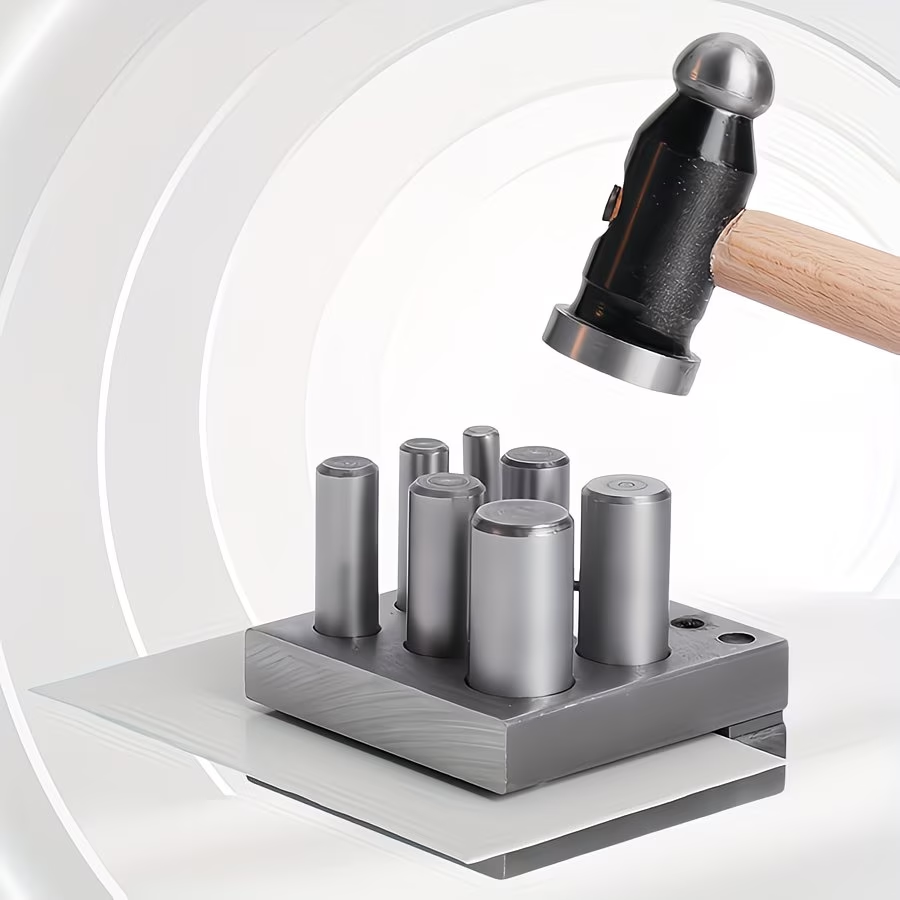
Heavy bezel wire works well for larger stones and bold designs. It gives the setting more visual strength and can make a cabochon feel more protected.
The tradeoff is that thicker bezel walls require more careful preparation. If the top edge is too thick or too square, it may be difficult to burnish cleanly over the stone.
Preparing Heavy Bezel Wire
Thick bezel wire often needs extra filing before the stone is set. A slight bevel or softened top edge helps the metal move over the stone with less force.
Without this preparation, the bezel may resist movement and leave tool marks during burnishing.
How Stone Size Affects Bezel Thickness
Stone size is one of the biggest factors when choosing bezel wire thickness. Small stones need less metal to hold them securely, while larger stones need more support.
A thin bezel around a large cabochon may technically hold the stone, but it can look visually weak and may not match the scale of the piece.
Stone Height Also Changes The Choice
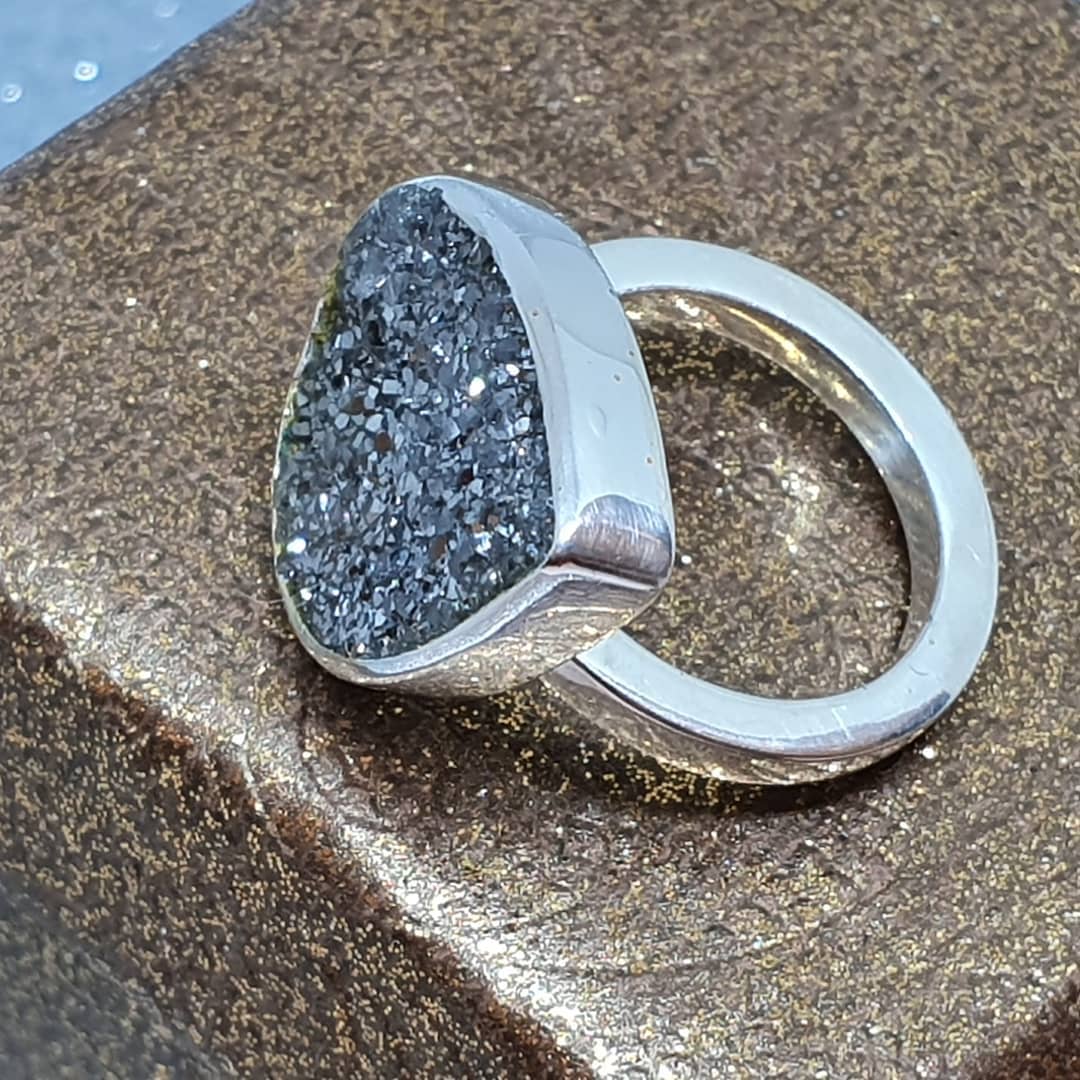
Tall cabochons can often handle a stronger bezel wall because the stone gives more side support. Low cabochons need more care because too much metal can cover the stone and make the setting look heavy.
Bezel thickness and bezel height should always be considered together. A thick bezel that is also too tall can become difficult to set cleanly.
Fine Silver Vs Sterling Silver Bezel Wire
Fine silver bezel wire is softer and easier to push over a stone. This makes it very popular for cabochon settings, especially when clean burnishing is important.
Sterling silver is stronger and springier. It can still be used for bezels, but it usually requires more control and may be harder to move if the wire is thick.
How Thickness Affects Soldering
Thin bezel wire heats quickly and can distort if overheated. Heavy bezel wire needs more heat and may require better control to get the solder seam to flow properly.
The bezel thickness should also match the rest of the construction. A very heavy bezel on a very thin backplate can feel unbalanced and may be harder to solder evenly.
Filing The Bezel Edge Before Setting
Filing changes how the bezel moves during burnishing. A clean, even top edge makes it easier to push the metal over the stone without wrinkles.
Thick bezels often benefit from a small bevel. Thin bezels need lighter filing because there is less material available.
Burnishing Thin And Thick Bezels
Thin bezels usually respond quickly to burnishing pressure. This makes them easy to close, but also easy to overwork if too much force is used.
Thick bezels require slower, more controlled pressure. The metal may need to be moved gradually around the stone instead of forced down in one area.
Common Bezel Thickness Mistakes
Most thickness mistakes happen because the bezel is chosen for appearance alone, without considering stone size, wall height, soldering behavior and how much force will be needed during setting.
Choosing The Best Bezel Wire Thickness
The best bezel thickness depends on the stone, the design and the way the metal will be finished. A delicate pendant, a large ring and a soft stone may all need different bezel choices.
When in doubt, choose a bezel that can be burnished cleanly without forcing the metal. A cleanly set medium bezel is usually better than a heavy bezel that looks rough or strained.
Choose A Bezel Wall That Moves Cleanly
The right bezel thickness is strong enough to hold the stone, but still workable enough to burnish without excessive force. Plan thickness, height, stone size and edge preparation together before soldering.
Keep Building The Bezel Thickness Workflow
Bezel thickness connects directly with bezel height, stone measurement, soldering, filing and the full bezel-setting process.