Why Silver Cracks During Forming
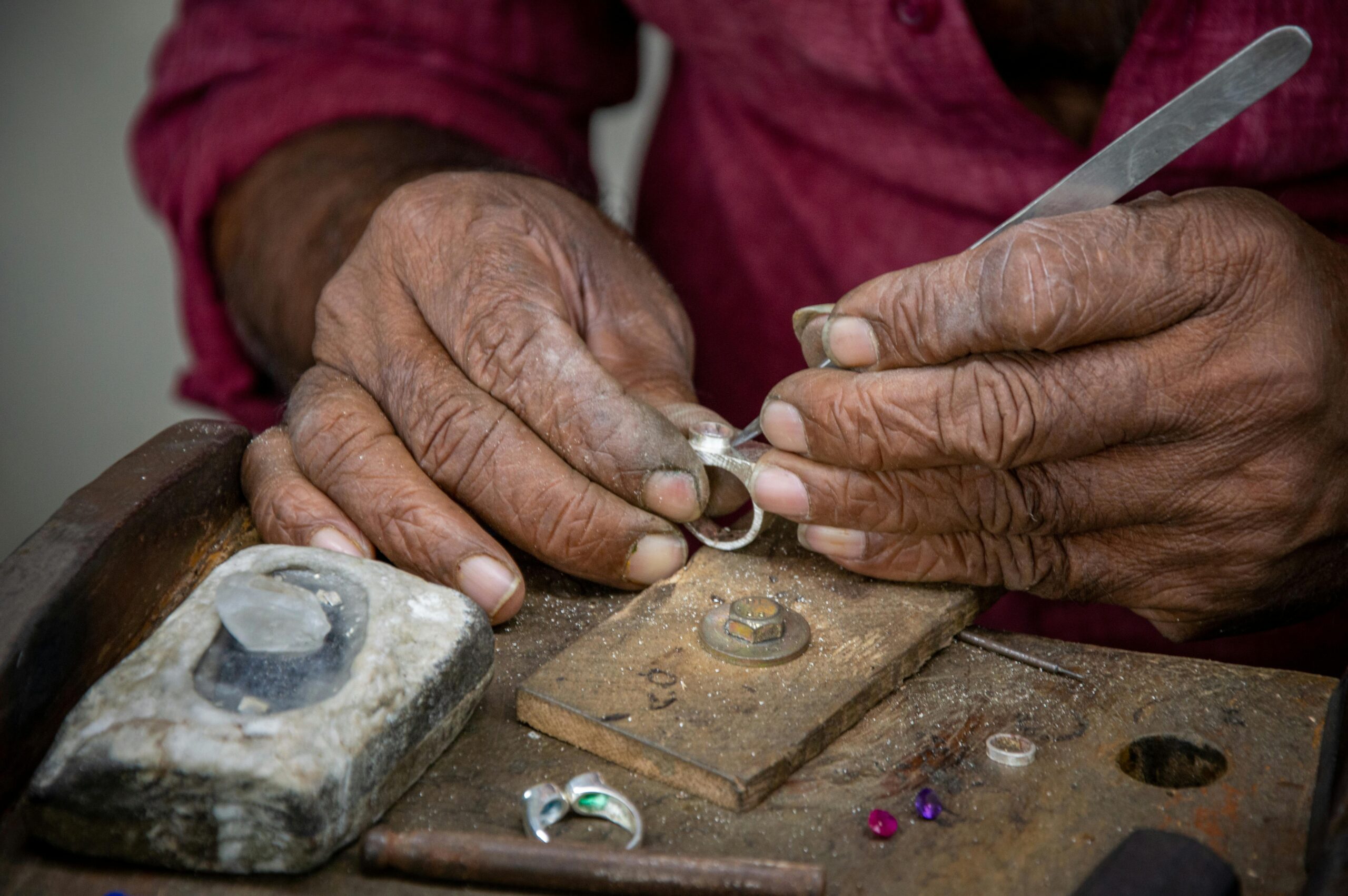
Silver gradually hardens as it is bent, hammered, rolled, stretched or shaped. This is normal metal behavior, but it becomes a problem when forming continues after the metal has become too hard and resistant.
Once the internal stress becomes too high, the metal may begin developing tiny fractures. Those fractures may stay hidden at first, then open into visible cracks when the piece is bent again, hammered, stretched or forced over a mandrel.
Work Hardening Is The Biggest Cause
Work hardening happens when silver is repeatedly moved, compressed or stretched. The more the metal is formed, the more resistant it becomes. At first this may feel useful because the metal holds its shape better, but eventually the silver becomes too stiff to move safely.
Common work-hardening operations include:
Ring bending
Bending a flat blank into a ring puts heavy stress along the outside curve.
Hammer forming
Repeated hammer blows compress the surface and can harden thin areas quickly.
Rolling reduction
Rolling silver thinner stretches the metal and should be followed by annealing.
Wire drawing
Pulling wire through drawplates hardens it with every pass.
Insufficient Annealing Creates Stress
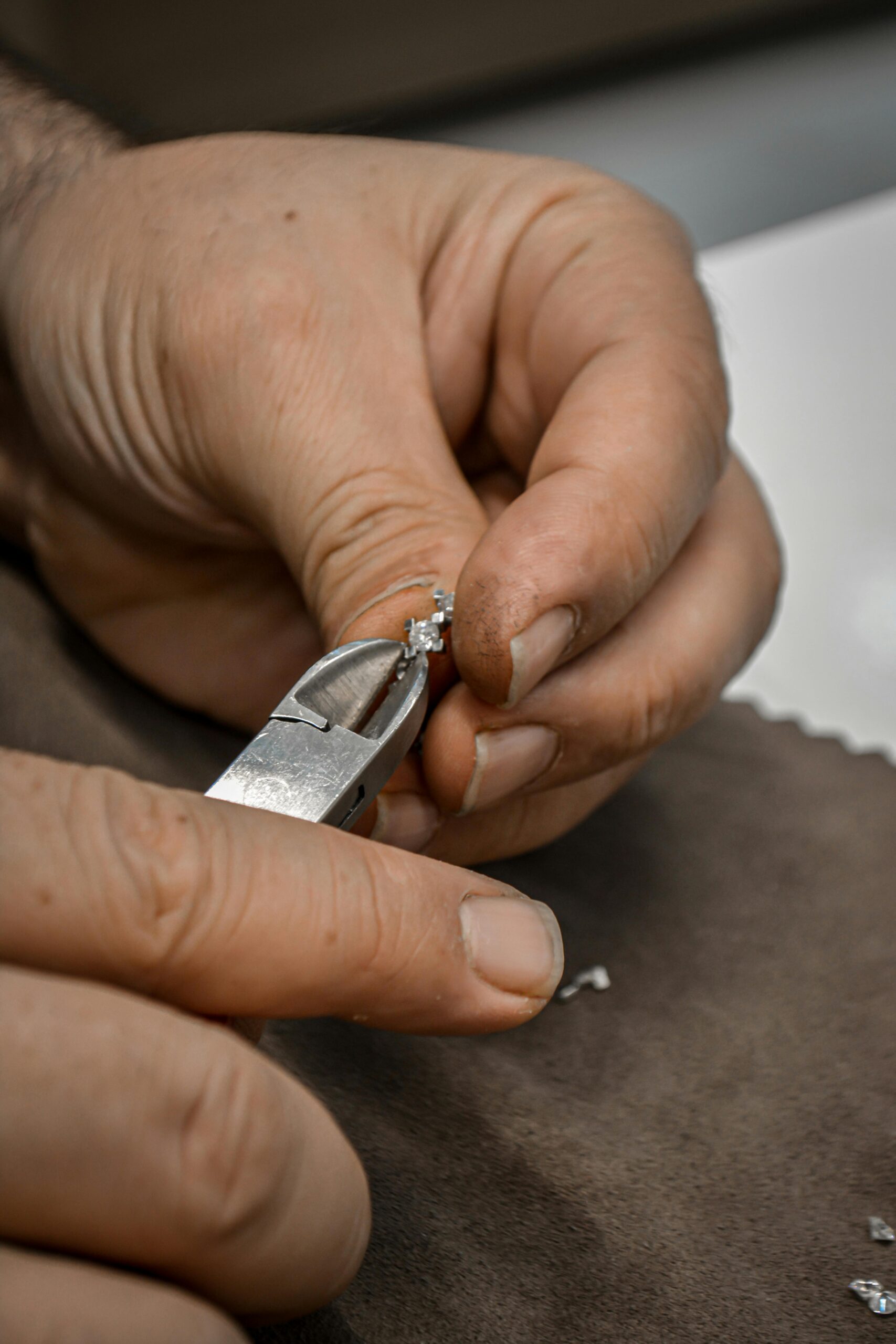
Annealing is the main way to reset work-hardened silver during fabrication. When silver is heated correctly and allowed to soften, it becomes safer to bend, shape and adjust again.
Problems appear when the metal is formed too many times between annealing cycles. The surface may still look fine, but the alloy can already be too stressed internally.
Signs the silver may need annealing
- The metal feels springy instead of smooth and cooperative.
- Bending requires noticeably more force than before.
- The surface begins showing stress lines, ripples or dull drag marks.
- The piece distorts suddenly instead of moving gradually.
- A ring blank starts resisting closure at the seam.
Sharp Bends Increase Crack Risk
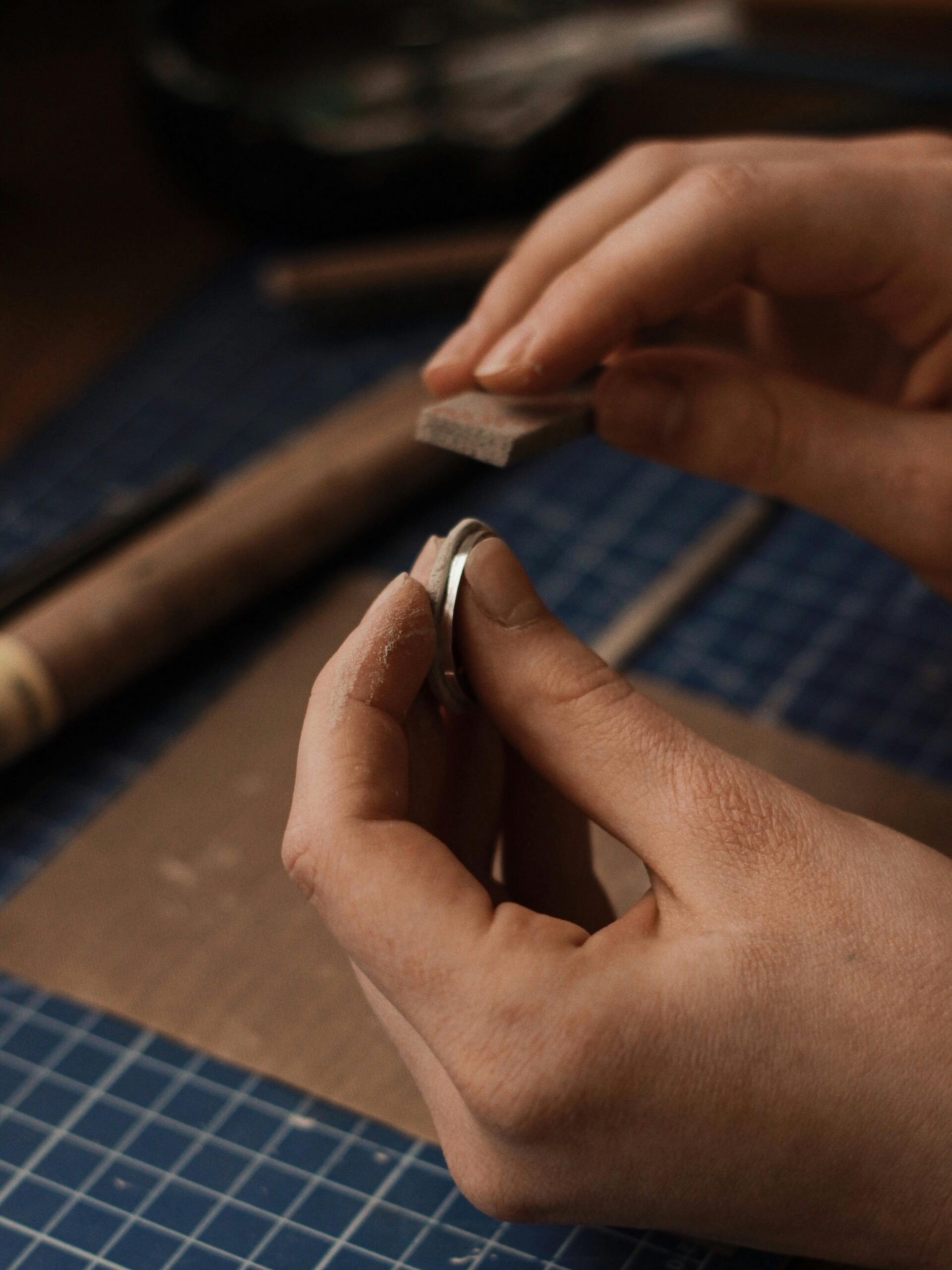
Tight, aggressive bends concentrate stress into a small area. This is especially risky when forming thin ring shanks, narrow wire, small decorative elements or metal that has already been bent once before.
A crack often starts on the outside of a bend because that side is stretched the most. If the edge also has a scratch, file mark or thin spot, the risk becomes much higher.
High-risk forming situations
- Very tight ring bends
- Thin sterling silver stock
- Fine wire or narrow strip
- Hard bends near a solder seam
- Repeated correction of the same area
Surface Damage Can Trigger Fractures
Deep scratches, file marks, saw marks and tool gouges create weak points where cracks can begin. The metal does not always fail because the whole piece is too brittle. Sometimes one damaged line becomes the starting point.
This is why surface preparation matters before heavy forming. A rough edge, sharp burr or deep filing mark can open into a crack when that area is stretched.
Deep file marks
Crosswise file marks can become crack paths during bending.
Sharp edges
Unsoftened edges concentrate stress and split more easily.
Tool gouges
Pliers, mandrels and forming tools can leave weak points if used roughly.
Thin spots
Uneven thickness makes one area carry more forming stress than the rest.
Repeated Heating Can Affect Metal Behavior
Heating is necessary in soldering and annealing, but overheating can create its own problems. Repeated aggressive torch exposure may change how sterling silver behaves, especially if the metal is heated far beyond what the process requires.
Controlled annealing is very different from accidental overheating. The goal is to soften the metal enough for forming, not to cook the piece until the surface oxidizes, slumps or becomes uneven.
Watch Stress Areas Carefully
Cracks usually appear in predictable places. If you inspect those areas during each forming stage, you can often stop before the damage becomes serious.
Inspect these areas first
- Bend transitions
- Ring shank edges
- Solder seams
- Thin sections
- Hammered curves
- Tight corners
Quick Diagnosis Guide
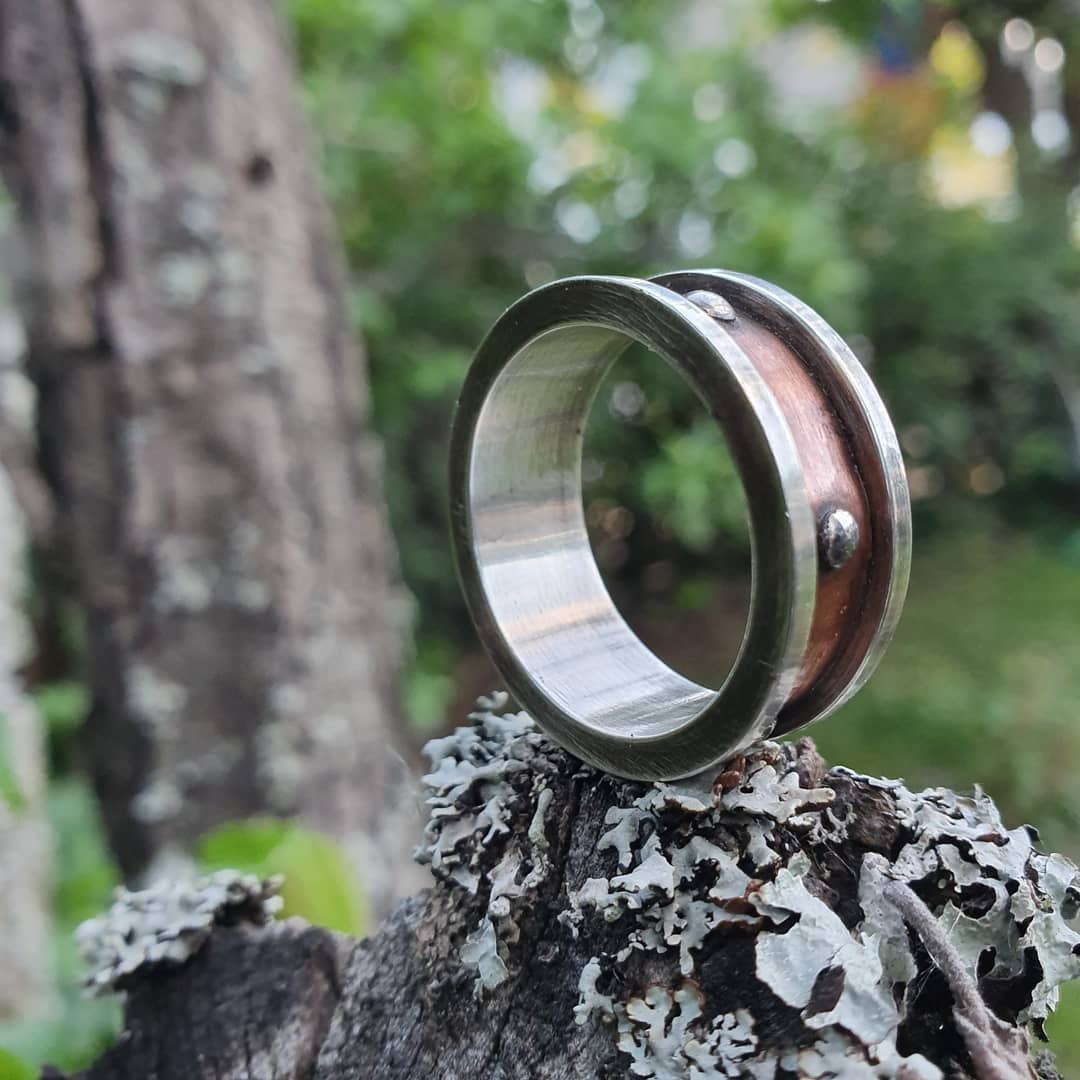
Use the symptoms below to narrow down what may be happening at the bench.
Crack during bending
Usually caused by insufficient annealing or bending too sharply after work hardening.
Fracture near seam
Often caused by stress concentration, poor seam preparation or repeated correction.
Thin edge cracking
Usually linked to overworked metal, sharp edges or uneven stock thickness.
Unexpected brittleness
Often means the silver has been formed repeatedly without enough annealing.
Split during hammering
Usually caused by surface weakness, hard metal or too much force in one area.
Crack after polishing
Sometimes a hidden fracture becomes visible only after the surface is cleaned.
How Professionals Prevent Silver Cracking
Experienced jewelers usually pay close attention to how the metal feels, not just how it looks. Silver often gives warning signs before it cracks.
Anneal before the metal fights back
Do not wait until the silver is extremely stiff. Anneal when forming begins to feel resistant.
Form gradually
Several controlled movements are safer than one aggressive bend.
Clean up edges before bending
Remove burrs, deep saw marks and sharp corners before putting the metal under stress.
Inspect under good light
Check bends, seams and thin areas before continuing to the next forming stage.
Can Cracked Silver Be Saved?
Sometimes, but it depends on the crack. A shallow surface split may be filed out, soldered, reshaped or redesigned. A deep structural crack in a ring shank can be more serious because the metal may already be weakened around the break.
Before trying to repair the piece, ask whether the crack is cosmetic, structural or a sign that the whole area has been overworked. Repairing a crack without solving the cause often leads to the same failure appearing again.
Repair decision checklist
- Is the crack shallow or does it run through the metal?
- Is it near a seam, edge or bend?
- Can the area be safely filed without thinning the piece too much?
- Does the design allow a solder repair?
- Would remaking the part be stronger than patching it?
Best Practice For Ring Blanks
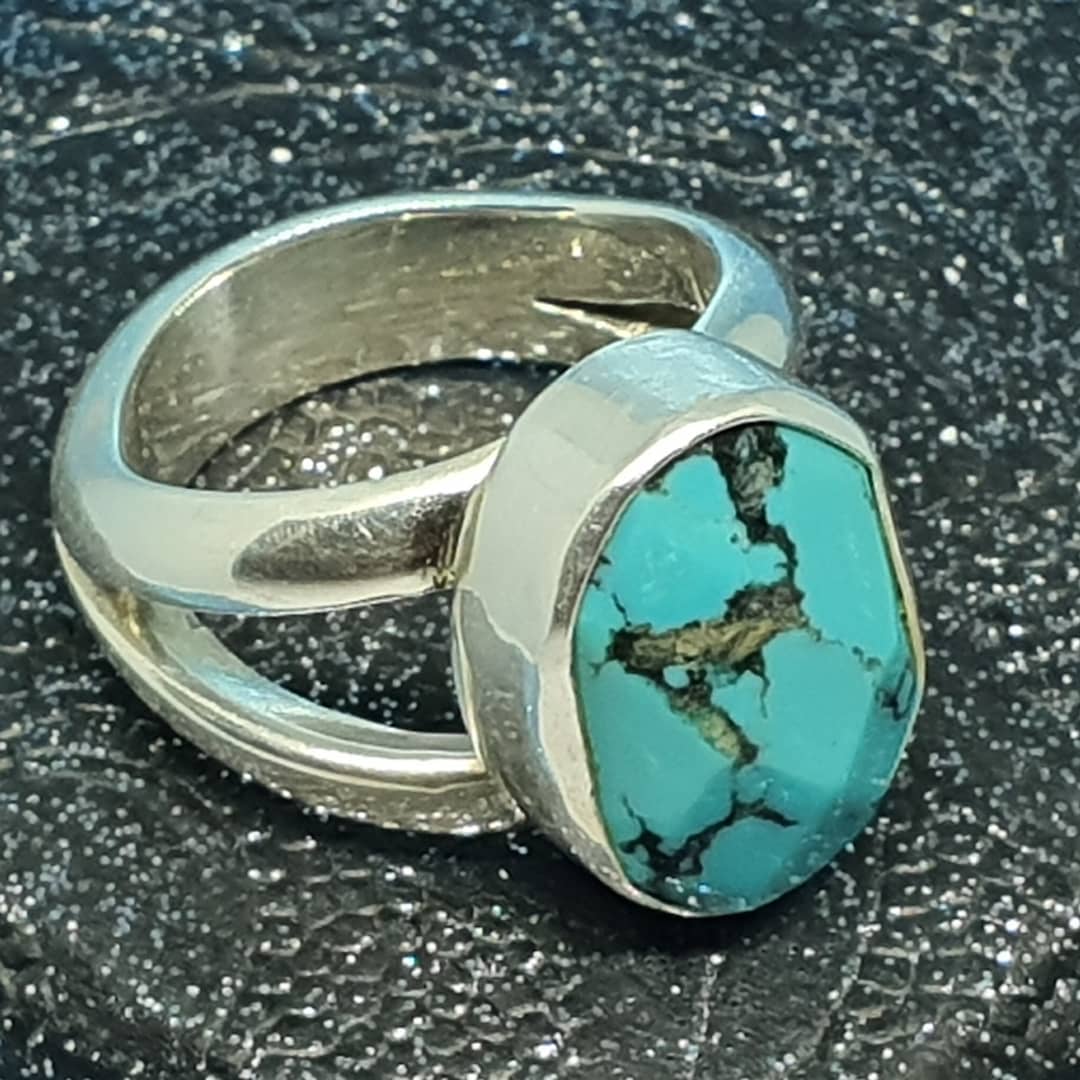
Ring blanks are one of the most common places to see cracking because the metal is forced from a flat strip into a tight curve. The outside of the bend stretches while the inside compresses, so poorly annealed silver can fail before the seam even closes.
Before closing a ring blank
- File and smooth the ends.
- Remove burrs from both edges.
- Anneal before heavy bending.
- Close gradually from both sides.
- Do not force a resistant seam shut.
Plan The Ring Before You Force The Metal
Correct blank length, sensible gauge choice and gradual forming all reduce the risk of cracks before soldering or finishing begins.
Final Thoughts
Silver cracking usually develops because the metal becomes overstressed during fabrication. The crack may appear suddenly, but the cause often began earlier through repeated work hardening, sharp bending, surface damage or insufficient annealing.
Regular annealing, gradual forming, clean edges and careful inspection usually create safer and more predictable jewelry fabrication results.